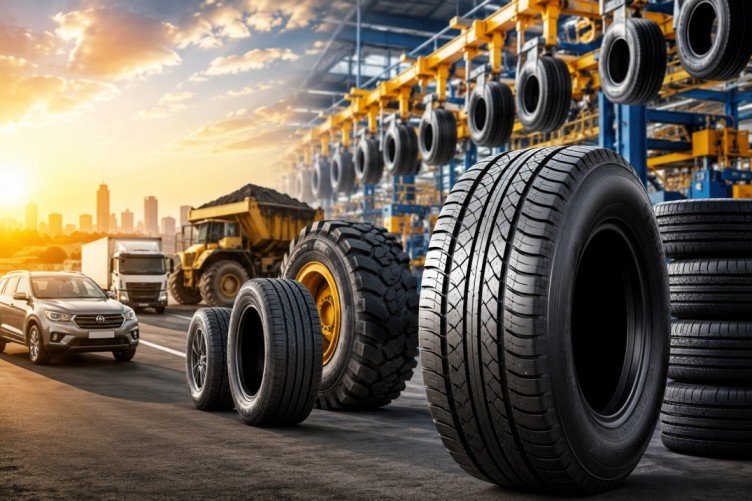
Africa's automotive landscape is undergoing a steady transformation as vehicle ownership rises, transportation networks expand, and commercial activities increase across the continent. Tires remain an essential component of this transition, supporting passenger vehicles, freight transportation, mining equipment, and agricultural machinery. Growing investments in infrastructure, urban mobility, and logistics continue to create sustained demand for durable and high performance tires suited to diverse road conditions.
According to a recent Africa tire industry report published by MarkNtel Advisors, the Africa Tire Market was valued at USD 6.35 Billion in 2024 and is projected to reach USD 8.34 Billion by 2030, expanding at a CAGR of 4.65% during 2025 to 2030. This growth reflects increasing vehicle ownership, expanding replacement tire demand, and infrastructure development across several African economies. The trend also aligns with broader transportation and mobility initiatives highlighted by organizations such as the African Development Bank and the International Trade Administration.
Expanding Vehicle Fleet Supports Tire Demand
One of the primary drivers of tire demand across Africa is the continuous expansion of the vehicle fleet. Rising urbanization, improving household incomes in several countries, and growing commercial transportation have increased the number of passenger cars, light commercial vehicles, and heavy trucks operating throughout the region. Every new vehicle entering service eventually contributes to replacement tire demand, creating long term opportunities for manufacturers and distributors.
Commercial transportation is also becoming increasingly important due to expanding regional trade under initiatives such as the African Continental Free Trade Area (AfCFTA). As freight movement increases, fleet operators require reliable tires capable of operating under varying climatic and road conditions, further supporting industry growth.
Africa's tire industry is evolving alongside the continent's growing transportation and automotive sectors. Rising vehicle ownership, expanding logistics networks, and continuous infrastructure development are creating sustained demand for tires across passenger, commercial, agricultural, and industrial applications. The industry is also benefiting from increased replacement demand as vehicles remain in service for longer periods under diverse road conditions. With ongoing investments in mobility and trade, manufacturers are focusing on delivering durable, efficient, and application specific tire solutions to meet the changing needs of African consumers and businesses.
Infrastructure Development Creates New Opportunities
Governments across Africa continue investing in highways, industrial corridors, mining projects, and construction activities. These developments increase the utilization of heavy commercial vehicles and off road equipment, resulting in higher demand for specialized tires. Construction and mining operations require products designed for challenging environments where durability and performance are critical.
Improved transportation infrastructure also encourages greater movement of goods and people, indirectly supporting higher vehicle sales and long term tire replacement cycles.
Replacement Segment Remains a Key Growth Contributor
While original equipment demand continues to grow alongside vehicle production and imports, the replacement segment represents a significant share of tire consumption across Africa. Challenging road conditions, extended driving distances, and climate related wear often shorten tire replacement intervals. Consumers increasingly seek products that balance affordability, safety, and durability, encouraging manufacturers to expand product portfolios across multiple price categories.
Digital retail platforms and wider distribution networks are also making tire purchases more accessible, particularly in urban centers where online automotive services continue to gain popularity.
Looking Ahead
Africa's tire industry is expected to benefit from continued economic development, expanding logistics networks, and gradual improvements in local manufacturing capabilities. Government initiatives encouraging industrial investment may also reduce reliance on imported products over time while strengthening domestic production capacity. As highlighted in this tire market analysis, businesses are closely monitoring evolving consumer preferences, replacement demand, and regional infrastructure projects that are shaping the industry's future.
Tags : africa tire industry