For decades, Saudi Arabia was known to much of the world through a narrow lens — oil reserves, desert landscapes, and conservative traditions. Yet while the world’s attention shifted elsewhere, the Kingdom began rewriting its story at a breathtaking pace. Quietly at first, then unmistakably, Saudi Arabia started transforming almost every aspect of its society and economy. What has unfolded in the past decade is nothing short of extraordinary — a shift so dramatic that even seasoned observers have struggled to keep up.
The question is no longer if Saudi Arabia is changing, but how much has already changed while the world wasn’t watching?
Women at the Helm
Once excluded from much of the formal economy, Saudi women are now at the center of the Kingdom’s transformation. Female workforce participation has more than doubled in recent years, a change that few would have predicted even a decade ago. Today, women are leading banks, heading corporations, and serving as ambassadors abroad.
The significance of this goes beyond social reform. In a country where half the population was previously underrepresented in the labor force, unleashing female talent has become a cornerstone of growth. This isn’t just about equality — it’s about competitiveness.
A Door Opens for the World
Another shift that went largely unnoticed outside the region was the launch of the eVisa system in 2019. Suddenly, travelers from over 50 countries could apply online and receive approval within minutes. For a nation historically difficult to access, this was a quiet revolution.
The impact has been immediate. In 2023, Saudi Arabia welcomed over 100 million tourists — an unimaginable figure for a country that only a few years earlier had no leisure tourism industry to speak of. Luxury resorts along the Red Sea, cultural festivals in Riyadh, and sporting spectacles like Formula 1 races have recast the Kingdom’s global image almost overnight.
Markets Unlocked
For decades, the Saudi stock exchange — Tadawul — was essentially closed to outsiders. That changed when the market was opened to global investors, instantly transforming it into one of the most significant emerging market moves of the decade.
This shift wasn’t only symbolic. By allowing foreign capital to flow in, Saudi Arabia positioned itself as a central player in global finance. The world’s largest initial public offering — Aramco’s — happened here, signaling the Kingdom’s intent to sit at the financial table alongside the world’s powerhouses.
The Privatization Wave
At the same time, industries once tightly held by the state began to open up. Healthcare, airports, and even aspects of education and infrastructure have been ushered into privatization programs. For foreign and domestic investors alike, this is uncharted territory: opportunities in sectors previously considered off-limits.
It is a delicate balance. Privatization not only diversifies the economy but also tests how far the Kingdom can modernize while maintaining stability. Yet the direction is clear — private capital is no longer a guest in Saudi Arabia, it is a partner.
Property Ownership Redefined
One of the most surprising reforms came in real estate. For the first time in history, foreigners can own property in Saudi Arabia. This single change has sparked conversations across investment circles worldwide.
Property ownership is not merely a financial opportunity; it is symbolic. It signals permanence, a welcome mat for global residents who wish to live and build in the Kingdom. For Saudi Arabia, it is a declaration that the country is no longer a closed society, but a place where roots can be planted.
Culture in Motion
The cultural transformation may be the most visible — and perhaps the most unexpected. Cinemas reopened after decades of prohibition. International film festivals are now held on Saudi soil. Formula 1 cars race through Jeddah’s waterfront. Music festivals draw international artists to perform for crowds of thousands.
These changes are not superficial. They reflect a deeper strategy: to reposition Saudi Arabia as a hub of culture, entertainment, and global engagement. What once seemed unimaginable is now a regular feature of life in the Kingdom.
Infrastructure for a New Era
Beneath these visible shifts lies an infrastructure revolution. Billions of dollars are being poured into metros, airports, and logistics hubs. The Kingdom is building not only for its current needs but for an envisioned future where it becomes a crossroads of global trade and travel.
Projects like NEOM — the futuristic megacity under development — capture headlines, but they are only part of the story. Across the country, smaller but no less significant infrastructure projects are reshaping how people live, move, and work.
A Tourism Surge Few Saw Coming
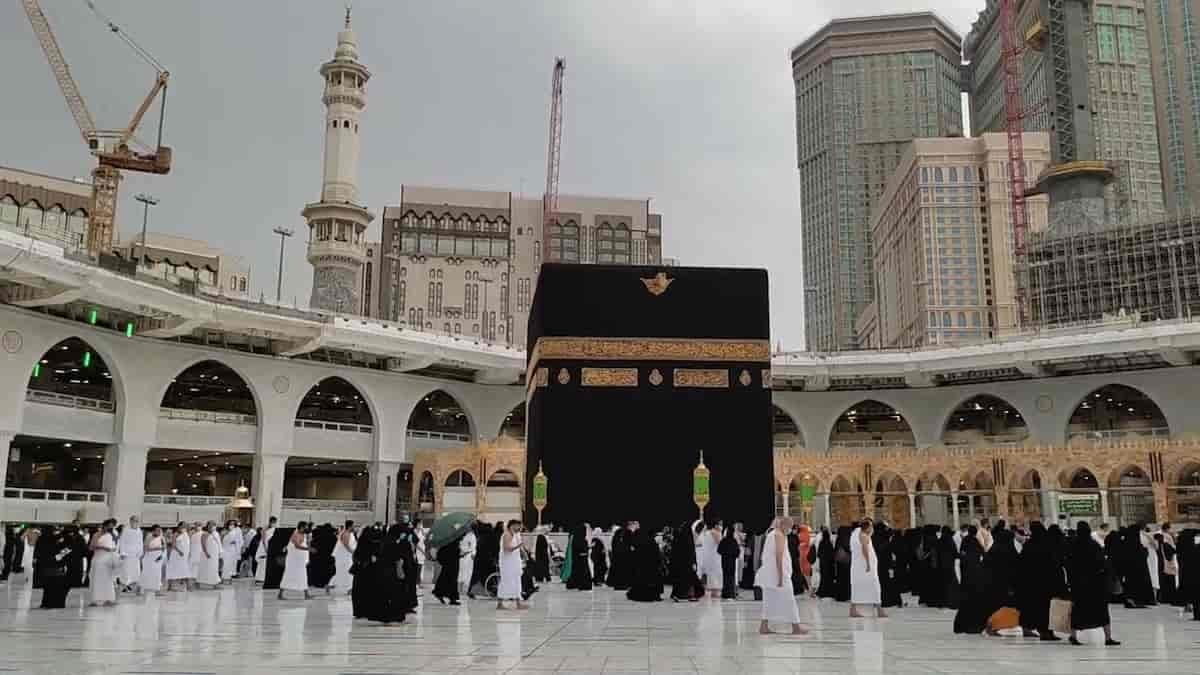
Tourism is no longer an aspiration — it has become a reality. In 2023, Saudi Arabia surpassed 100 million tourist visits, making it one of the fastest-growing destinations in the world. For a nation once known primarily for religious pilgrimages, this surge represents an extraordinary pivot.
From luxury resorts on pristine coastlines to heritage sites newly opened to visitors, Saudi Arabia has become a place of curiosity and exploration. It is not simply attracting tourists; it is reintroducing itself to the world.
The Larger Story
Individually, each of these changes is striking. Taken together, they represent one of the most rapid national transformations of the modern era. A country that for decades remained largely closed has begun to open at every level — social, economic, cultural, and global.
Saudi Arabia is no longer the country it was in the early 2000s. Yet, the world at large has not fully realized the scope of this transformation. While attention is often drawn to high-profile megaprojects or global summits, the true story lies in the everyday shifts that are rewriting the fabric of the nation.
Conclusion: A Nation Recast
What changed in Saudi Arabia while the world wasn’t watching? The answer is: almost everything. From women in boardrooms to tourists on the Red Sea coast, from foreign investors trading on Tadawul to expatriates holding property deeds, the Kingdom has entered a new chapter.
The transformation is not complete — it is ongoing, and perhaps that is what makes it so compelling. What we are witnessing is not the end of a story, but the unfolding of one.
As the world begins to pay attention, the real question may not be what has already changed, but how much further will Saudi Arabia go?
About the Author
The author is a business consultant at Helpline Group, specializing in guiding investors and entrepreneurs through Saudi Arabia’s rapidly evolving business landscape. With expertise in company formation, compliance, and market entry strategies, they provide insights into the Kingdom’s economic transformation and emerging opportunities.
Tags : business saudi arabia