What Causes High HVAC Energy Use in Dallas Homes and How to Reduce It
By Homestead Services 25-09-2026 22
Dallas homeowners rely heavily on their heating and cooling systems throughout the year. Long, hot summers can keep air conditioners running for extended periods, while cooler months still require dependable heating. As a result, HVAC equipment can account for a significant portion of household energy use. When energy bills begin rising unexpectedly, the problem may not always be the system itself. Several factors involving maintenance, airflow, insulation, and everyday operation can contribute to higher consumption.
Understanding these causes can help homeowners make practical improvements while keeping indoor comfort consistent.
Why Dallas Weather Can Increase HVAC Energy Use
Dallas experiences substantial temperature changes throughout the year, with particularly demanding summer conditions. During periods of extreme heat, an air conditioner may need to operate for longer cycles to maintain the desired indoor temperature.
Outdoor heat can also place additional pressure on an HVAC system when a home has insufficient insulation or air leakage. Instead of maintaining a stable indoor environment, the system may need to compensate continuously for heat entering the house.
This is one reason regular air conditioning and heating maintenance is important. Preventive attention can help identify performance issues before they cause the equipment to work harder than necessary.
Dirty Filters Can Restrict Airflow
A clogged or heavily used air filter is one of the simpler issues that can affect HVAC performance. When airflow becomes restricted, the system may need to operate longer to circulate conditioned air throughout the home.
Restricted airflow can also affect comfort from room to room. Some areas may feel warmer or cooler than others, encouraging homeowners to lower the thermostat and increase system runtime.
Replacing filters according to the manufacturer's recommendations can support proper airflow. Homes with pets, construction dust, or other sources of airborne particles may require more frequent filter attention.
Poor Ductwork Can Waste Conditioned Air
The duct system plays an important role in delivering heated and cooled air throughout a home. Leaks, disconnected sections, inadequate insulation, or poorly designed ductwork can reduce the amount of conditioned air reaching living spaces.
When conditioned air escapes before reaching its destination, the HVAC system may continue operating without achieving the desired temperature. This can increase energy consumption over time.
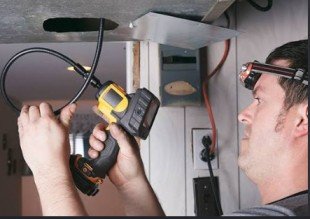
Homeowners noticing inconsistent temperatures, weak airflow, or unusually long cooling cycles may benefit from having the ductwork inspected as part of broader air conditioning and heating maintenance.
An Aging HVAC System May Lose Efficiency
HVAC equipment naturally experiences wear as it operates year after year. Components can become less effective, electrical connections may require attention, and moving parts can accumulate dirt or experience mechanical wear.
An older system does not automatically need replacement. In many situations, appropriate maintenance and timely repairs can help an existing unit continue operating effectively.
However, repeated breakdowns, declining performance, or unusually high operating costs may indicate that the system should be evaluated by professionals who provide expert hvac services and can explain whether repair or replacement is appropriate.
Incorrect Thermostat Settings Can Increase Consumption
Thermostat habits can also influence HVAC energy use. Frequently making large temperature adjustments may cause the system to run for extended periods, particularly during Dallas's hottest days.
A programmable or smart thermostat can help homeowners maintain more consistent temperature settings based on their schedules. Avoiding unnecessarily low cooling settings during extreme heat can also reduce the workload placed on the system.
The goal is not simply to set the thermostat higher or lower, but to establish practical settings that balance comfort with reasonable system operation.
Insufficient Insulation Can Make HVAC Systems Work Harder
A well-maintained HVAC system can still struggle if a home allows too much conditioned air to escape. Poor attic insulation, gaps around doors and windows, and other areas of air leakage can make temperature control more difficult.
For Dallas homeowners, attic insulation can be particularly important because roof spaces can become extremely hot during summer. Improving insulation and sealing unwanted air leaks can help reduce the amount of heat transferred into living areas.
These improvements work alongside air conditioning and heating maintenance rather than replacing the need for regular HVAC care.
Why Preventive Maintenance Matters
Waiting until an HVAC system stops working can lead to unexpected discomfort and potentially more complicated repairs. Preventive maintenance provides an opportunity to identify issues such as dirty components, unusual wear, restricted airflow, and other performance concerns earlier.
A professional inspection can also help homeowners understand how their system is operating and whether certain components need attention.
Regular air conditioning and heating maintenance can support reliable operation, improve airflow, and help identify conditions that may contribute to unnecessary energy use. When specialized repairs or system evaluations are required, expert hvac services can provide homeowners with a clearer understanding of the available options.
Practical Ways to Reduce HVAC Energy Use
Homeowners can take several straightforward steps to support efficient HVAC operation:
- Replace or clean air filters as recommended.
- Keep supply and return vents unobstructed.
- Schedule routine HVAC maintenance.
- Inspect ductwork for visible damage or leakage.
- Check attic insulation and areas around doors and windows for air leaks.
- Use reasonable thermostat settings.
- Keep outdoor HVAC equipment clear of leaves, debris, and other obstructions.
- Address unusual noises, odors, weak airflow, or extended operating cycles promptly.
These steps may not eliminate every cause of high energy consumption, but they can help homeowners maintain a more efficient and consistent indoor environment.
Final Words
High HVAC energy use in Dallas homes can result from several factors, including extreme outdoor temperatures, restricted airflow, ductwork problems, insufficient insulation, thermostat habits, and aging equipment. Rather than assuming that replacement is always necessary, homeowners can begin by identifying the specific reason their system is consuming more energy.
Consistent maintenance, timely attention to developing problems, and improvements to the home's overall efficiency can all contribute to better HVAC performance. For Dallas homeowners, Homestead Services focuses on practical heating and cooling solutions while emphasizing maintenance and repair when appropriate.
FAQs
1. Why is my HVAC system using more energy than usual?
Higher energy use can result from dirty filters, restricted airflow, duct leaks, insulation problems, thermostat settings, extreme outdoor temperatures, or declining equipment performance. A professional inspection can help identify the specific cause.
2. How often should HVAC maintenance be performed?
Many homeowners benefit from having their heating and cooling equipment checked regularly, typically with maintenance scheduled before the seasons when each system will be used most heavily. Manufacturer recommendations and system condition should also be considered.
3. Can duct problems increase HVAC energy consumption?
Yes. Leaking, damaged, poorly insulated, or improperly designed ductwork can reduce the amount of conditioned air reaching rooms. This may cause the HVAC system to operate longer while trying to maintain the desired indoor temperature.