What Are the Most Common Financial Proof Issues for France Trip Applications?
By Ayabasha 16-12-2025 74
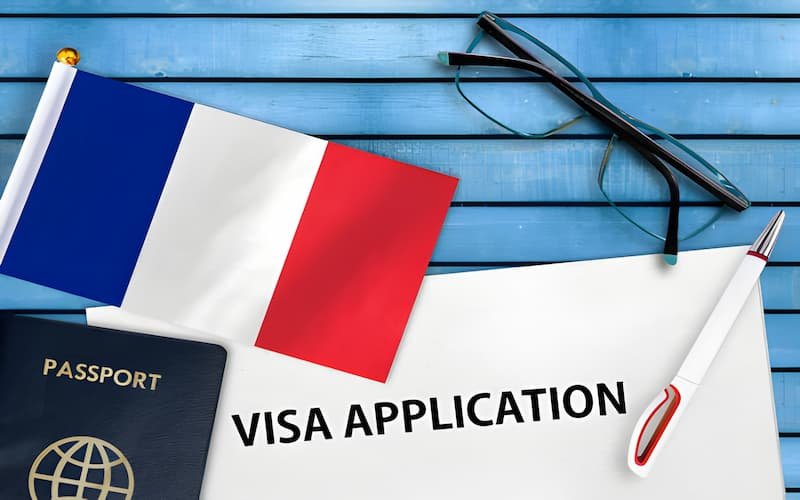
When applying for a France Schengen visa, financial documents play a critical role in determining whether your trip gets approved without delays or rejection. The French consulate uses your bank statements, income documents, and supporting financial evidence to assess whether you can fully cover your trip expenses and whether your financial background is stable and trustworthy. As a result, applicants often face challenges related to financial proof for France trip application requirements.
These challenges can lead to additional checks, embassy queries, or denial of the visa. This article explains the most frequent mistakes travelers make with financial documents and offers expert-level insights on avoiding them. With accurate France trip fund verification and proper preparation, you can ensure your application meets every financial requirement effectively.Why Financial Proof Matters for Your France Trip Application

Financial proof helps the embassy answer three important questions:
Can the applicant afford the trip without financial hardship?
Is the applicant’s financial activity stable and legitimate?
Will the traveler return home and not overstay in France due to financial reasons?
These questions explain why financial proof for France trip application is essential and why consulates examine these documents closely.
Common Financial Proof Issues Applicants Face
1. Low or Insufficient Bank Balance
One of the main reasons applications face delays or rejection is insufficient balance in the applicant’s account. France expects applicants to show a minimum daily amount to cover:
Food
Accommodation
Transportation
Emergency costs
If your balance appears too low to support your trip, the embassy may doubt your ability to fund your stay.
2. Sudden Large Deposits Before Application
A major red flag in financial proof for France trip application review is sudden or unexplained large deposits. These deposits make the financial history look manipulated or inconsistent.
Examples include:
Large cash deposits right before applying
Transfers from unfamiliar accounts
Temporary loans taken to increase balance
Such transactions require explanation; otherwise, they weaken your credibility.
3. Incomplete Bank Statements
Applicants often upload:
Only one month of statements instead of six
Screenshots instead of official PDF statements
Statements without bank stamps (if required)
Incomplete documents disrupt France trip fund verification and may lead to delays.
4. Inconsistent or Unstable Income Patterns
Irregular income deposits—especially for self-employed or freelance applicants—often raise concerns. The consulate checks whether:
Income is consistent
The applicant has ongoing work or business
Financial activity aligns with declared occupation
Inconsistent records weaken financial proof for France trip application and can affect the approval rate.
5. Missing Proof of Employment or Business Income
Financial stability isn’t judged only by bank statements. You must also provide income verification through documents like:
Salary slips
Employment letter
Business registration documents
Tax returns
Financial statements
If these documents are missing, the embassy may question the source of your funds.
6. Not Including Sponsor Documents When Someone Else Pays
Many applicants are sponsored by:
Parents
Spouses
Employers
Siblings
Friends
However, they forget to submit sponsor-related documents, such as:
Sponsor’s bank statements
Income proof
Passport/ID copies
Sponsorship letter
Relationship evidence
Missing these documents is a common failure in financial proof for France trip application submissions.
7. Submitting Only Joint Account Statements Without Clarification
If the applicant shares an account with someone else, the embassy expects:
Explanation of the other person’s involvement
Proof of relationship
Optional sponsor letter
Without this clarification, the consulate may question whose funds are being used.
8. Using Blocked or Fixed Deposit Accounts as Primary Funds
While fixed deposits or investment documents can strengthen your application, they cannot replace liquid funds. France prefers easily accessible money for travel expenses. Relying solely on fixed assets creates issues during France trip fund verification.
9. Mismatched Information Across Financial Documents
Common mismatches include:
Bank account names different from the applicant's passport
Incorrect salary mentioned in employment letters
Tax records not matching income statements
Even small inconsistencies can trigger extended review.
10. Submitting Financial Proof That Doesn’t Match Travel Plans
Your budget must align with your itinerary. Issues arise when:
Your trip looks too expensive for your income level
Itinerary includes luxury hotels without matching financial capacity
Travel duration seems unrealistic based on your financial profile
A mismatch between travel plans and financial strength decreases the reliability of financial proof for France trip application.
11. Missing Tax Returns (When Applicable)
Some consulates expect tax documents, especially for:
Self-employed applicants
High-income earners
Frequent travelers
Missing ITRs (Income Tax Returns) weakens your financial transparency.
12. Unclear or Missing Proof of Regular Expenses
The embassy also considers your recurring monthly commitments, such as:
Loans
Rent payments
Education fees
EMIs
If these expenses seem high compared to your savings, it may impact the application outcome.
How to Correct Financial Proof Issues Before Applying
Below are expert tips to improve the strength of your financial documents:
1. Maintain a Healthy and Consistent Bank Balance
Ensure your account reflects sufficient funds at least 3–6 months before you apply.
2. Avoid Sudden Deposits
If a deposit is unavoidable, attach an explanation letter and supporting proof.
3. Submit Clear, Complete, and Official Statements
Always provide:
Full 6 months
Bank-stamped documents when required
Proper PDFs, not screenshots
4. Strengthen Employment or Business Documents
Provide:
Employment letters
Salary slips
Business registrations
Tax records
These add credibility to your financial proof for France trip application.
5. Include Sponsor Documents When Applicable
Make sure all sponsor-related documents are complete and accurate.
6. Match Your Travel Plan to Your Financial Capacity
Avoid planning a luxury trip if your financial documents don’t reflect that level.
7. Ensure All Financial Information Is Consistent Across Documents
Check for spelling, numbers, income details, and date consistency.
Common Questions About France Trip Financial Proof
1. How much money do I need in my bank account?
Although there is no fixed rule, France typically expects enough for daily expenses, accommodation, and emergencies.
2. Can someone else pay for my trip?
Yes, but complete sponsor documentation is required.
3. Do students need financial proof?
Yes. They can provide parent or guardian financial documents.
Conclusion
Financial documentation is a crucial part of the France Schengen visa process. Most delays and rejections occur because applicants misunderstand or underestimate the requirements for acceptable financial proof. By understanding the most common issues with financial proof for France trip application and preparing your documents properly, you can significantly increase your chances of smooth approval. Proper planning, complete documentation, and transparent financial activity lead to faster and more successful France trip fund verification.