A used commercial vehicle can help you scale operations without heavy capital investment. You get mobility, reach, and operational flexibility while managing costs. For growing businesses, immediate capacity matters more than owning the latest model. Therefore, a used option often becomes a practical decision that supports cash flow and operational efficiency.
Why Consider a Used Commercial Vehicle?
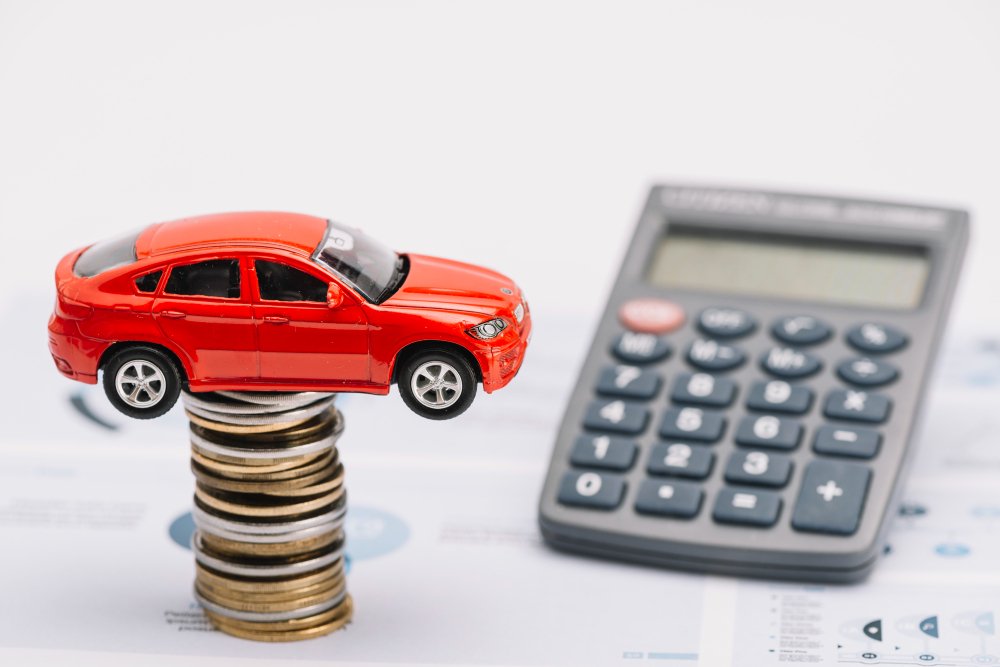
You may not need a new vehicle to expand logistics or delivery capacity. A well-maintained used vehicle can perform the same tasks. However, it costs significantly less upfront. This lets you allocate money to inventory, hiring, marketing, or infrastructure.
Used vehicles also depreciate more slowly. New vehicles lose value faster in the first few years. So, when you buy a used vehicle, the depreciation curve is milder. This protects your balance sheet and reduces financial stress. Businesses can explore financial marketplaces to find cost-effective deals on used vehicles and related loans.
Cost Efficiency and Financial Flexibility
Lower purchase cost is the obvious advantage. But cost efficiency goes beyond the initial payment.
You also reap the following benefits:
- Lower insurance premiums
- Reduced tax liability (varies by region and policy)
- Affordable maintenance in certain models
- Reduced loan liability if financed
These benefits help you balance operational spending with growth targets. Additionally, a used commercial vehicle allows easier scaling. Instead of buying one new vehicle, you could deploy two or more used vehicles. This supports expansion into new routes, territories, or service segments.
If you plan to finance multiple vehicles, checking your used car loan eligibility beforehand can save time and improve approval chances.
Operational Benefits for Growing Businesses
A reliable used commercial vehicle supports daily operations without requiring major structural change. You can adapt it to multiple business needs.
Common applications include:
- Local deliveries
- Construction supply movement
- Intercity goods transportation
- Agriculture and logistics
- Retail distribution
- Last-mile operations
With the right vehicle, your delivery timeline becomes more controlled. You reduce third-party dependency and secure operational independence.
Factors to Evaluate Before Buying
Before purchasing a used commercial vehicle, evaluate the condition and ownership history. A poor decision can increase long-term costs.
Consider the following:
You should also test drive the vehicle. Also, check comfort, stability under load, and driving ease. A professional inspection can further reduce risk.
Financing a Used Commercial Vehicle
Financing options exist for used vehicles. You may find used car loan eligibility requirements similar to new vehicle loans, depending on lender policies. Lenders usually review business stability, repayment history, and documentation.
To prepare yourself, keep the following ready:
- KYC documents
- Business registration
- Financial statements
- Vehicle details
- Ownership transfer paperwork
You may also access financial marketplaces like Bajaj Markets, where multiple financial products and loan options are available in one place. This lets you compare choices instead of approaching lenders individually.
Insurance and Compliance Considerations
Used vehicles need valid insurance. While premiums are lower than for new vehicles, do not compromise on coverage.
Focus on:
- Third-party liability (mandatory under law)
- Own damage insurance
- Add-ons such as breakdown cover or zero depreciation (if applicable and available)
Always check fitness certification rules and renewal dates. Non-compliance can lead to penalties or downtime, which affects business continuity.
Maintenance Strategy for Long-Term Value
A used commercial vehicle remains cost-effective only if you maintain it well. Create a proactive maintenance schedule. Delayed repairs often lead to expensive replacements.
Follow these maintenance practices:
- Regular oil change
- Brake and suspension checks
- Warranty-approved spare parts (if applicable)
- Timely tyre replacement
- Routine inspections
Document maintenance history. It improves resale value and supports servicing consistency.
Business Scenarios Where a Used Vehicle Helps Most
A used commercial vehicle creates value in several expansion situations. You can use it when:
- Your delivery demand increases unexpectedly
- You expand into new markets but want to minimise risk
- Hiring third-party transport drains profitability
- You run a high-usage segment where wear and tear are expected
- You want predictable logistics and reduced dependency
In each case, the key benefit is controlled investment with operational improvement.
Risks You Should Consider
Buying used vehicles requires careful consideration of the many factors mentioned. Some risks include uncertain maintenance history, hidden mechanical issues, and legal paperwork delays. However, you can minimise risk through inspections, transparent sellers, verified documentation, and post-purchase servicing.
Conclusion
A used commercial vehicle can support business growth by offering mobility, capacity, and financial stability at a lower cost. You maintain operational control without overspending or compromising efficiency. With careful evaluation, proper financing, and structured maintenance, a used vehicle becomes a strategic asset rather than a compromise.
Tags : Used Car Loan