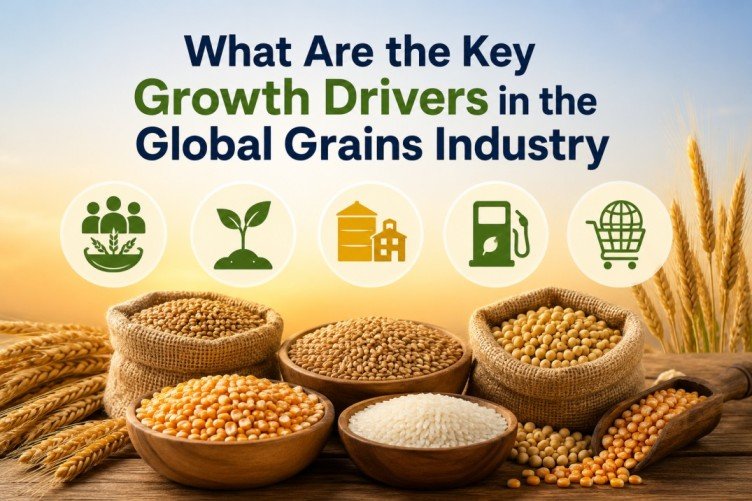
Overview of the Grains Sector
The global grains sector plays a foundational role in food security, livestock feed production, and industrial applications such as biofuels and processed foods. Grains such as wheat, rice, maize, barley, and oats remain essential dietary staples for a large portion of the global population. Rising consumption patterns, changing dietary preferences, and expanding food processing industries continue to influence the demand landscape for grains across both developed and emerging economies.
The industry is also shaped by climate variability, agricultural productivity improvements, and international trade policies. According to the grains market analysis by MarkNtel Advisors, the sector is witnessing steady structural transformation driven by supply chain modernization and increasing adoption of advanced farming practices.
Market Context and Industry Perspective
As per insights from the MarkNtel Advisors report, the grains industry continues to evolve due to shifting consumption patterns and increasing demand from food processing industries. The expansion of packaged food, bakery products, and convenience foods is further reinforcing demand for wheat and maize-based ingredients.
In addition, global institutions such as the Food and Agriculture Organization (FAO) highlight that cereals remain the most widely produced crops worldwide, forming a critical component of daily caloric intake for billions of people. The United States Department of Agriculture (USDA) also emphasizes the importance of grain trade flows in stabilizing global food supply chains, particularly during periods of production volatility. The World Bank further notes that agricultural productivity improvements are essential for ensuring long-term food security in developing regions.
Key Drivers Influencing Grains Demand
Rising Global Population and Food Demand
One of the most significant factors driving the grains industry is global population growth. Increasing urbanization and rising income levels in developing economies are leading to higher consumption of processed and convenience foods. Grains remain a primary ingredient in these food categories, making them indispensable in global diets.
Expansion of Food Processing Industry
The food and beverage sector heavily relies on grains for manufacturing bakery products, breakfast cereals, snacks, and beverages. The growing preference for ready-to-eat meals and packaged foods is strengthening the demand for wheat, maize, and rice derivatives. This trend is particularly strong in urban markets where lifestyle changes are reshaping consumption habits.
Growth in Animal Feed Applications
A substantial portion of global grain production is used in animal feed. The livestock and poultry industries depend on grains such as corn and barley to meet rising protein demand. As meat consumption continues to increase globally, grain utilization in feed applications is expected to remain strong.
Supply Chain and Agricultural Advancements
Technological improvements in agriculture, including precision farming, improved irrigation systems, and genetically improved seed varieties, are enhancing grain yields in several regions. These advancements help stabilize supply despite climate-related risks such as droughts and floods.
Government support policies, including subsidies and minimum support prices in several countries, also play a role in maintaining production stability. However, global supply chains remain vulnerable to geopolitical tensions, export restrictions, and transportation disruptions.
Regional Insights and Trade Dynamics
Grain production and consumption patterns vary significantly across regions. North America and Asia-Pacific are among the largest producers and consumers of grains. Countries such as the United States, China, and India play a crucial role in global grain supply chains.
International trade is essential in balancing demand-supply gaps. Export-oriented economies supply surplus grains to importing regions, ensuring price stability in global markets. Organizations like the FAO emphasize the importance of open trade policies to prevent food insecurity during supply shortages.
Sustainability and Climate Challenges
Climate change remains a critical challenge for the grains industry. Rising temperatures, unpredictable rainfall patterns, and soil degradation are affecting agricultural productivity. Governments and agricultural organizations are increasingly focusing on sustainable farming practices to mitigate these challenges.
Initiatives such as crop diversification, regenerative agriculture, and water-efficient farming methods are being adopted to improve resilience. The World Bank and FAO both support investments in climate-smart agriculture to ensure long-term sustainability.
Conclusion
The global grains industry continues to evolve under the influence of demographic growth, changing dietary habits, and technological advancements in agriculture. While demand remains strong across food, feed, and industrial applications, challenges such as climate change and supply chain disruptions require ongoing attention.
With continued innovation and supportive policy frameworks, the sector is expected to maintain steady growth momentum, contributing significantly to global food security and economic stability.
Tags : Grainsindustry