What Affects Machinery Rental Costs for Construction Projects in Saudi Arabia?
By ayman basheer 26-09-2026 6
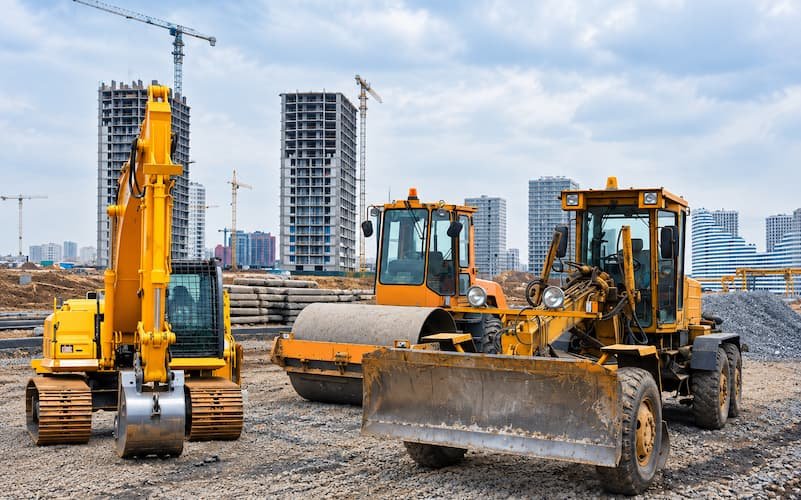
Construction companies often rent machinery to handle excavation, lifting, earthmoving, material transportation, compaction, and other project activities without purchasing an entire fleet. However, rental costs can vary significantly depending on the equipment type, project conditions, rental period, location, and services included in the agreement.
For contractors and procurement teams, understanding these cost factors is important when preparing project budgets and comparing suppliers. Working with a suitable machinery rental company Saudi Arabia can provide access to equipment that matches project requirements while helping businesses manage capital expenditure and equipment-related responsibilities.
But the quoted rental rate should not be considered in isolation. A proper cost evaluation should include transportation, fuel, operators, maintenance, attachments, working hours, and other applicable charges.
Why Machinery Rental Costs Vary
There is no single rental price for construction machinery. Suppliers typically determine pricing according to the machine's specifications, availability, rental duration, operating conditions, and support requirements.
For example, a compact excavator used for a short site-preparation task may have very different rental costs from a heavy excavator required for a major infrastructure project over several months.
The most important factors should therefore be assessed before requesting or comparing quotations.
1. Type and Size of Machinery
The equipment category is one of the primary factors affecting rental costs.
Construction projects may require:
Excavators
Wheel loaders
Backhoe loaders
Bulldozers
Motor graders
Rollers and compactors
Telehandlers
Cranes
Forklifts
Dump trucks
Aerial work platforms
Generators and other supporting equipment
Within each category, machine size and capacity can significantly influence the rental rate. A higher-capacity machine generally requires greater investment, transportation resources, and operating support.
Companies should select machinery according to the actual work rather than automatically choosing the largest available model.
2. Rental Duration
The length of the rental period can have a major impact on overall cost.
Suppliers may offer different rates for:
Daily rentals
Weekly rentals
Monthly rentals
Long-term contracts
Longer rental periods may have different commercial structures from short-term hiring. However, companies should review the complete agreement rather than assuming that a longer rental will always produce a lower overall cost.
Procurement teams should also check minimum rental periods, extension rates, early-return conditions, and charges for keeping equipment beyond the agreed period.
3. Equipment Capacity and Specifications
Two machines belonging to the same equipment category can have significantly different rental rates because of their technical specifications.
Relevant specifications may include:
Operating capacity
Engine power
Lifting capacity
Digging depth
Working height
Reach
Bucket size
Payload capacity
Machine dimensions
Attachments
For example, an excavator with greater digging depth and hydraulic capacity may be required for a particular excavation project but could cost more to rent than a smaller model.
The objective should be to match specifications to project requirements without paying for unnecessary capacity.
4. Equipment Availability and Demand
Market availability can also influence rental pricing. When particular equipment is in high demand or limited supply, rental terms may vary depending on the supplier's fleet availability and project schedule.
This is particularly relevant when contractors need specialized machinery for a specific period.
Early planning can help procurement teams identify suitable equipment before the required mobilization date. It can also provide more time to compare available machines and commercial terms.
5. Transportation and Mobilization
Heavy construction machinery often requires specialized transportation to reach the project site. Delivery and collection charges may therefore form part of the overall rental cost.
Depending on the equipment and location, costs may involve:
Equipment delivery
Return transportation
Loading and unloading
Mobilization
Demobilization
Specialized transport arrangements
The distance between the equipment yard and project site can also affect transportation costs.
When requesting quotations, companies should provide the supplier with accurate site details and rental dates so transportation requirements can be assessed properly.
6. Operator Requirements
Some machinery can be rented without an operator, while other projects may require trained personnel to operate the equipment.
If an operator is included, companies should determine whether the quotation covers:
Operator wages
Standard working hours
Overtime
Accommodation, where applicable
Transportation
Replacement personnel
If the contractor provides its own qualified operators, it should clarify whether the rental agreement is equipment-only.
Keeping equipment and manpower costs separate can make supplier comparisons easier.
7. Fuel and Operating Costs
Fuel arrangements can have a substantial effect on the total cost of using construction machinery, particularly during long working periods.
The rental agreement should specify who is responsible for fuel and related operating expenses.
Check whether the quotation includes:
Fuel
Refuelling
Fuel transportation
Lubricants
Routine operating consumables
A machine with a lower rental rate may still result in a higher overall operating cost if fuel consumption or other operating expenses are significantly different.
8. Maintenance and Repair Support
Maintenance arrangements are another important cost consideration.
Rental agreements may differ in terms of who is responsible for routine servicing, repairs, replacement parts, and breakdown response.
Companies should ask:
Is preventive maintenance included?
Who pays for normal repairs?
What happens if the machine breaks down?
Is replacement equipment available?
Are service technicians available locally?
How is downtime handled?
Clear maintenance responsibilities can help prevent disputes and make project cost planning more accurate.
9. Attachments and Additional Equipment
Some machinery requires attachments to perform specific tasks. These may be included in the basic rental rate or charged separately.
For example, excavators may require different buckets or breakers, while telehandlers may require specialized forks or other attachments.
Procurement teams should confirm:
Which attachments are included
Whether additional attachments cost extra
Whether attachments are compatible with the selected machine
Whether transportation includes the attachments
The cost of necessary attachments should be included when comparing quotations.
10. Working Hours and Overtime
Standard rental agreements may specify expected working hours. If machinery is required for extended shifts, overtime charges may apply.
Companies should check:
Standard operating hours
Overtime rates
Weekend charges
Holiday rates
Shift arrangements
Idle-time provisions
This is particularly important for projects operating multiple shifts or working under tight construction schedules.
A quotation should clearly state how additional working hours are calculated.
11. Project Location and Site Conditions
The project environment can affect both equipment selection and rental cost.
Factors may include:
Site accessibility
Ground conditions
Terrain
Available operating space
Distance from the equipment supplier
Urban or remote location
Working height
Load requirements
Environmental conditions
A machine may require additional transportation arrangements or specialized configuration depending on the site.
Providing accurate project information to suppliers can help ensure that the quoted equipment is suitable for actual working conditions.
How Should Companies Compare Machinery Rental Quotations?
Procurement teams should compare quotations using a consistent evaluation process rather than focusing on the headline rental rate.
A practical comparison can include:
This approach helps businesses identify differences between supplier quotations that may not be visible in the advertised rental rate.
Choosing a Machinery Rental Company Saudi Arabia
When selecting a rental provider, companies should assess more than price. The supplier should be able to provide equipment that matches the project's technical and scheduling requirements.
Procurement teams can evaluate:
Equipment Availability
Confirm that the required machine is available for the full project period and can be mobilized when needed.
Equipment Condition
Review maintenance history, inspection records, operating condition, and safety features where applicable.
Fleet Range
A supplier with a suitable range of machinery may be able to support changing project requirements without requiring contractors to source equipment from multiple providers.
Service and Support
Understand how the supplier handles maintenance, breakdowns, replacement equipment, and technical support.
Commercial Transparency
The quotation should clearly identify inclusions, exclusions, additional charges, payment terms, and rental conditions.
Common Mistakes That Increase Rental Costs
Choosing Equipment Based Only on Price
The cheapest machine may not have the capacity or specifications required for the project, resulting in lower productivity or the need for additional equipment.
Ignoring Transportation Costs
Delivery and collection can materially change the final rental cost.
Failing to Estimate the Correct Rental Period
Extending a rental unexpectedly can affect the project budget, especially when extension rates differ from the original agreement.
Overlooking Attachments
A machine may require additional attachments that were not included in the initial quotation.
Not Clarifying Maintenance Responsibilities
Unclear responsibility for repairs and breakdowns can lead to unexpected costs and disputes.
Practical Ways to Control Machinery Rental Costs
Companies can improve cost control by taking a structured approach before signing a rental agreement.
Define the equipment requirement clearly.
Select machine capacity according to the actual task.
Estimate the rental period realistically.
Request detailed quotations from suitable suppliers.
Compare total costs rather than base rental rates.
Confirm transportation, fuel, operator, and maintenance arrangements.
Review attachments and additional equipment requirements.
Clarify overtime and extension charges.
Check equipment condition before mobilization.
Document all commercial terms in the rental agreement.
These steps can help procurement and project management teams establish clearer budgets and reduce avoidable rental expenses.
Final Considerations
Machinery rental costs for construction projects in Saudi Arabia depend on much more than the daily or monthly equipment rate. Equipment type, capacity, rental duration, availability, transportation, operators, fuel, maintenance, attachments, working hours, and site conditions can all affect the final cost.
For companies evaluating a machinery rental company Saudi Arabia, the most useful approach is to compare equipment suitability and total rental expenses alongside supplier reliability and support capabilities.
By defining project requirements clearly and reviewing quotations systematically, construction companies, contractors, and procurement teams can make better-informed rental decisions while keeping equipment costs aligned with project schedules and operational needs.
Tags : machinery rental company