What a Real Home Restoration Actually Involves in SW Florida
When people hear "home restoration," they often picture something reactive: fixing damage after a storm, repairing what age or neglect wore down over the years. That is part of it, but across Southwest Florida, home restoration has increasingly come to mean something broader: a comprehensive renovation that brings an older or outdated home up to current standards, room by room, rather than patching individual problems as they show up.
For homeowners weighing whether to take this on, understanding what a real home restoration project actually involves makes the difference between a smooth process and a frustrating one. It also helps explain why some homeowners spend years chasing one repair after another without ever feeling like the house is actually caught up, while others tackle the whole picture once and stop thinking about it for decades. The difference usually comes down to whether the early decisions were made with the full picture of the home's condition in mind, or in response to whatever problem happened to surface first.
Restoration Versus a Single-Room Remodel
A single kitchen or bathroom remodel is a contained project with a clear scope. Home restoration is different. It usually means addressing the house as a connected system rather than isolated rooms, which often surfaces issues that would not show up in a smaller project: outdated electrical panels, plumbing that does not meet current code, insulation that has degraded over decades of Florida humidity, or structural elements that need reinforcement before any cosmetic work makes sense.
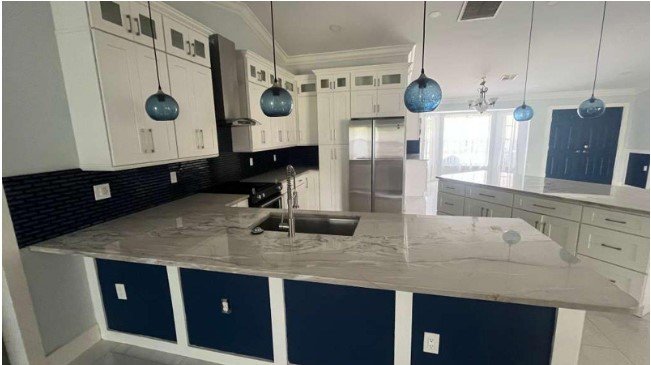
This is exactly why home restoration projects tend to take longer and require more upfront assessment than a typical remodel. The visible work, new flooring, updated kitchens, refreshed bathrooms, is often the easier half. The less visible systems behind the walls usually determine how the project actually unfolds, and they are the part most homeowners underestimate when they first start planning.
What a Thorough Home Restoration Assessment Covers
Before any construction begins, a proper restoration assessment generally looks at:
- Structural condition. Foundation, framing, and load-bearing elements, especially in older Florida homes built before current hurricane codes.
- Electrical systems. Outdated panels or wiring that may not safely support modern appliance loads.
- Plumbing. Pipe material and condition, since older homes sometimes still have materials that are no longer considered current standard.
- Moisture and insulation. Florida's humidity makes this a recurring issue in homes that have not been updated in years.
Skipping this step is one of the most common reasons home restoration projects run over budget. Issues that were never visible during a walkthrough get discovered mid-project, when addressing them costs more and disrupts the timeline. A thorough assessment up front is what turns a project full of surprises into one with a clear, predictable scope. It also gives homeowners something they rarely get otherwise: an honest, room-by-room picture of exactly what condition the house is actually in, rather than a guess based on age alone.
Signs a Home Needs Restoration, Not Just a Remodel
Not every dated house needs a full restoration. Some genuinely just need a kitchen or bathroom refreshed. A few patterns, though, tend to indicate the problem runs deeper than any single room can fix:
- Multiple systems showing their age around the same time. If the electrical panel, plumbing, and roof are all original to a decades-old home, addressing them one at a time over several years usually ends up costing more than handling them together.
- The same issue keeps coming back after repairs. Recurring water stains, persistent musty odors, or a room that never quite feels dry no matter how many times it gets patched are often signs of a systemic moisture or ventilation issue, not a one-time repair.
- A previous remodel did not actually fix the underlying problem. Homeowners sometimes complete a cosmetic update only to find the same cracks, leaks, or electrical quirks reappear within a year or two, because the visible fix never addressed what was happening behind the walls.
- The home was built well before current hurricane and building codes. Older homes in this category often benefit from a full structural review, since bringing them up to current standards tends to be more efficient as one coordinated project than as a series of unrelated fixes.
If two or more of these sound familiar, it is usually worth getting a full assessment before committing to another single-room project that may not address what is actually going on.
How a Well-Run Restoration Project Is Sequenced
Once the assessment is complete, a properly sequenced home restoration typically moves through structural and systems work first, then moves to the visible, cosmetic phase. Contractors experienced in this kind of work, including Phenomenal Renovation, generally insist on this order specifically because reversing it, doing finish work before structural and systems issues are resolved, almost always leads to redone work and wasted cost.
With over 20 years of combined experience handling renovation projects across Southwest Florida, teams that specialize in full home restoration tend to build a phased plan that lets homeowners see progress throughout the project, rather than waiting until the very end to see results. That phased approach also gives homeowners natural checkpoints to ask questions or adjust scope before moving into the next stage, instead of discovering at the very end that a decision made early on no longer fits what the rest of the house needs.
What Homeowners Should Expect Timeline-Wise
A whole-home restoration is rarely a quick project, and setting realistic expectations upfront avoids a lot of frustration later. Depending on the scope, a full restoration can run anywhere from a few months to closer to a year for larger or older homes with more significant structural needs. Contractors should be able to walk through a phase-by-phase timeline before work begins, including which parts of the home will be livable during construction and which will not. Homeowners who plan around this reality from the start, rather than hoping the project moves faster than a typical restoration of similar scope, tend to navigate the process with far less stress than those who go in expecting a few quick weeks of disruption.
Questions Worth Asking Before Starting
- What does the initial assessment actually cover, and is it included in the estimate?
- How are unexpected issues, like hidden water damage, handled cost-wise if discovered mid-project?
- What warranty applies once the home restoration is complete?
- Can the team provide examples of similar full-home projects completed in the area?
The Bigger Picture
A genuine home restoration is less about a single dramatic transformation and more about methodically bringing every part of a house up to a standard that holds up for decades, not just years. Homeowners who go into the process understanding that the unseen systems matter as much as the finishes tend to end up far happier with the result than those focused purely on the visible upgrades.

Working with a team that treats the assessment phase as seriously as the construction itself, the way Phenomenal Renovation generally does, is often what determines whether a restoration genuinely resolves a home's underlying issues or simply covers them up for a few more years.
Tags : Phenomenal Renovation