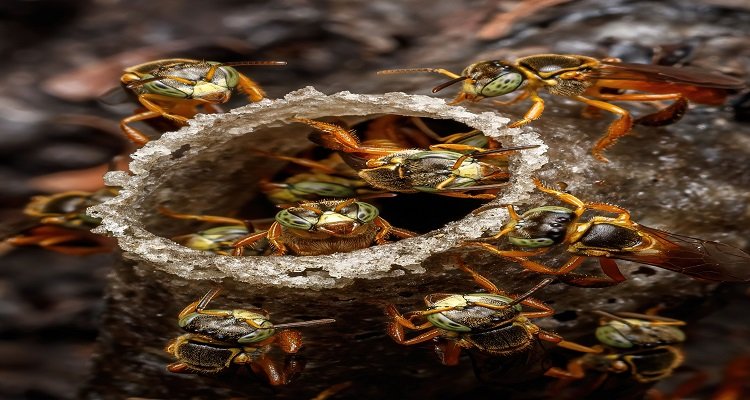
Wasps can quickly turn your outdoor space into an uncomfortable place, especially during the warmer months across Australia. Whether a nest is attached to your roof, hidden in a wall cavity, or hanging from a tree, disturbing it without the right equipment can be dangerous. Professional wasp nest removal provides a safe and effective way to deal with the problem while reducing the risk of painful stings.
If you've never arranged a professional service before, here's what you can expect during the process.
Why Professional Wasp Nest Removal Matters
Wasps become highly defensive when they feel their nest is under threat. Unlike bees, many wasp species can sting multiple times, making them a risk for families, pets and anyone with allergies.
Attempting to remove a nest yourself may disturb the colony and increase the chance of multiple stings. A qualified pest control technician has the training, equipment and experience to manage the nest safely while reducing disruption to your property.
The Initial Inspection
Every professional wasp nest removal service begins with a careful inspection.
The technician will assess:
- The location of the nest
- The wasp species involved
- The size and activity of the colony
- Safe access to the affected area
- Any risks to nearby people or pets
Some nests are easy to access, while others may be hidden inside wall cavities, roof spaces or garden structures. Identifying the nest's position helps determine the most suitable removal method.
Choosing the Right Removal Method
No two wasp infestations are exactly the same.
Depending on the inspection findings, the technician will choose a suitable treatment for the situation. The aim is to manage the active nest safely while reducing the risk of disturbing surrounding areas.
Professional equipment allows technicians to reach difficult locations safely and minimise unnecessary exposure to aggressive wasps.
Safety Comes First
Safety is one of the biggest reasons homeowners choose professional wasp nest removal.
Before beginning work, technicians may advise you to:
- Keep children and pets indoors.
- Stay away from the treatment area.
- Close nearby windows and doors if required.
- Avoid disturbing the nest before the appointment.
Following these simple steps helps the service proceed safely for everyone involved.
What Happens During the Removal?
The removal process is generally straightforward.
A technician will:
- Wear appropriate protective clothing.
- Apply the selected treatment to the nest.
- Wait until wasp activity has reduced.
- Remove the nest where appropriate.
- Check the surrounding area for additional nests or activity.
The time required depends on the nest size, location and wasp activity, but many standard jobs are completed within a single visit.
After the Service
Once the wasp nest removal has been completed, your technician may provide advice to help reduce the likelihood of future nesting around your property.
This may include checking:
- Roof eaves
- Garden sheds
- Pergolas
- Trees and shrubs
- Outdoor storage areas
- Wall cavities
Regular property inspections can help identify new nests while they are still small and easier to manage.
Signs You May Have a Wasp Nest
Early action often makes the removal process simpler.
Common signs include:
- Increased wasp activity around your home
- Wasps entering the same hole or gap repeatedly
- A visible paper-like nest under eaves or trees
- Buzzing sounds inside walls or roof spaces
- Wasps gathering around outdoor entertaining areas
If you notice any of these signs, arranging a professional inspection is the safest option.
Choosing an Experienced Wasp Removal Service
When selecting a pest control provider, look for a business that offers:
- Experienced and licensed technicians
- Safe removal procedures
- Local knowledge of Australian wasp species
- Clear communication before and after the service
- Practical advice for ongoing monitoring
Choosing an experienced team helps ensure the job is handled efficiently while reducing unnecessary risks.
FAQs
How long does wasp nest removal take?
Many standard removals are completed within one visit, although larger or difficult-to-access nests may require additional time.
Is it safe to stay home during the service?
Your technician will advise whether you should remain indoors or temporarily avoid certain areas while work is underway.
Can wasps return after the nest is removed?
New queens may establish nests in suitable locations during future seasons, which is why regular property inspections are helpful.
Should I remove a wasp nest myself?
Removing a wasp nest without suitable protective equipment can be dangerous due to aggressive defensive behaviour. Professional assistance is the safer choice.
Tags : wasp nest removal