Washington Metro Guide: Navigating the Capital’s Transit System with Ease
By Transit Guide 24-03-2026 127
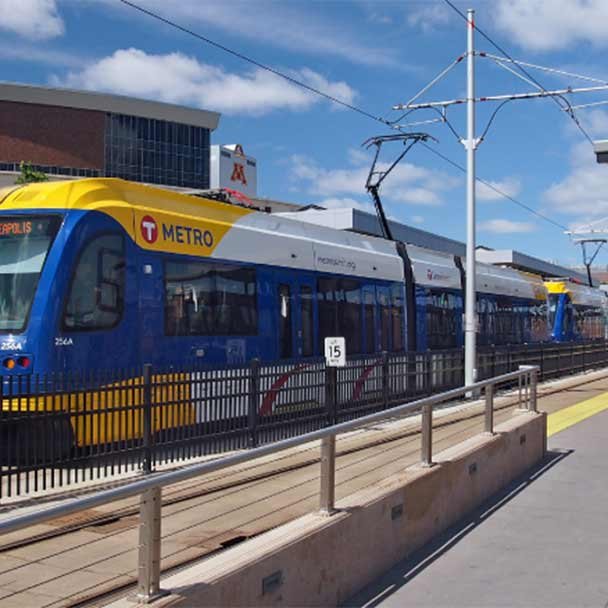
The Washington Metro Guide is your essential resource for understanding one of the most efficient and widely used public transportation systems in the United States. Whether you are a daily commuter, a first-time visitor, or a transit enthusiast, the Washington Metro offers a reliable, affordable, and convenient way to explore Washington, D.C., and its surrounding regions.
Based on insights from TransitGuide, this guide simplifies the complexities of the system and helps you travel with confidence.
Overview of the Washington Metro System
The Washington Metro, officially known as the Metrorail, serves Washington, D.C., along with nearby areas in Maryland and Virginia. Since its launch in 1976, it has grown into a vast network featuring six color-coded lines, numerous stations, and extensive track coverage.
The system follows a hub-and-spoke design, connecting suburban areas to the city center. This makes it an ideal transportation option for both commuters and tourists visiting key landmarks across the capital.
The Washington Metro Guide highlights how the system acts as the backbone of regional mobility, offering fast and seamless connections between neighborhoods, business districts, and attractions.
Metro Lines and Routes
One of the most user-friendly features of the Washington Metro is its color-coded rail lines:
- Red Line – Connects major residential and commercial areas and is one of the busiest lines.
- Blue Line – Links Virginia suburbs to downtown Washington.
- Orange Line – Serves key economic and business hubs.
- Silver Line – Extends to Dulles International Airport and surrounding areas.
- Green Line – Connects southeastern and northeastern parts of the city.
- Yellow Line – Provides fast access across the Potomac River.
Each line intersects at various transfer stations, allowing passengers to switch routes easily. According to the Washington Metro Guide, understanding these interconnections is key to navigating the system efficiently.
Stations and Connectivity
With an extensive number of stations, the Metro ensures comprehensive coverage of the region. Many stations are strategically located near:
- Government buildings
- Tourist attractions
- Universities
- Business districts
A large portion of the system runs underground in densely populated areas, while suburban sections operate above ground or at street level.
The Washington Metro Guide emphasizes the importance of planning your route in advance, especially during peak hours, to avoid congestion and save time.
Fares and Payment Options
The Washington Metro uses a distance-based fare system, meaning the cost of your journey depends on how far you travel and the time of day.
Key fare features:
- Lower fares during off-peak hours
- Higher fares during weekday rush hours
- Weekend fares are generally more affordable
Passengers typically use a rechargeable smart card to access the system. This card can also be used across buses and other transit services, making it highly convenient for regular travelers.
Integration with Other Transit Services
The Washington Metro is part of a larger public transportation network that includes buses and regional transit systems. The Washington Metro Guide highlights how this integration allows for seamless travel across the metropolitan area.
For example:
- Metrobus services complement rail routes
- Park-and-ride facilities are available at suburban stations
- Connections to regional trains expand travel options
This interconnected system ensures that even areas not directly served by rail remain accessible.
Benefits of Using the Washington Metro
The Washington Metro Guide outlines several advantages of choosing the Metro:
1. Efficiency and Speed
Trains run frequently, especially during peak hours, reducing wait times and ensuring smooth commutes.
2. Cost-Effective Travel
Compared to driving or ride-sharing, the Metro offers a more affordable option for daily travel.
3. Environmental Impact
Public transit reduces traffic congestion and lowers carbon emissions, making it an eco-friendly choice.
4. Accessibility
Stations are equipped with facilities for people with disabilities, ensuring inclusivity for all passengers.
Tips for First-Time Riders
If you’re new to the system, the Washington Metro Guide recommends the following tips:
- Study the metro map before traveling
- Avoid peak hours if possible
- Keep your fare card ready for quick entry and exit
- Follow station signage for smooth transfers
Planning ahead can make your journey much more comfortable and stress-free.
Why TransitGuide is a Valuable Resource
TransitGuide provides detailed and easy-to-understand transit guides for cities worldwide. Their Washington Metro Guide is designed to simplify route planning, explain fare systems, and offer practical travel tips.
The platform focuses on making public transportation accessible for everyone by offering clear instructions, maps, and insights that help users navigate complex transit systems with ease.
Conclusion
The Washington Metro Guide is an indispensable tool for anyone looking to travel efficiently across the U.S. capital. With its extensive network, reliable service, and seamless connectivity, the Metro remains one of the most effective ways to get around Washington, D.C.
By leveraging resources like TransitGuide, travelers can better understand routes, fares, and travel strategies, ensuring a smooth and enjoyable transit experience. Whether you’re commuting to work or exploring the city’s iconic landmarks, the Washington Metro makes every journey convenient and accessible.
Tags : Washington Metro Guide