Voice AI Platform: 8 Ways Public Services Can Improve Citizen Support
By Paridhi Purohit 22-07-2026 88
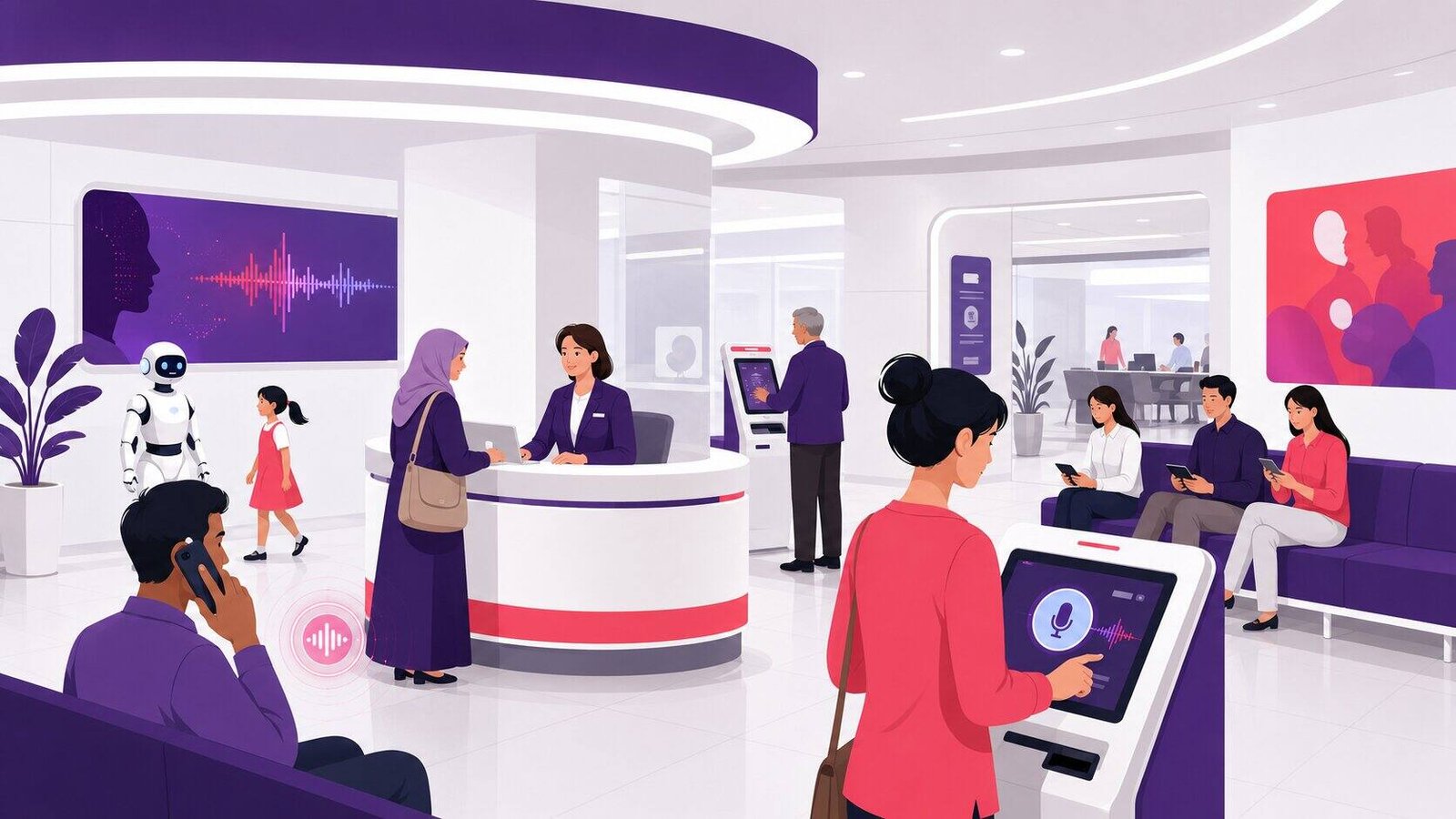
Citizens today expect the same speed and convenience from public services that they receive from banks, eCommerce platforms, and telecom providers. Whether they're calling to report a civic issue, check the status of a government application, schedule an appointment, or request emergency information, long wait times and repeated call transfers can quickly lead to frustration.
Government agencies, municipalities, and public service organizations handle thousands of calls every day, many of which involve routine questions that don't necessarily require human intervention. As service demands continue to grow, expanding contact center teams alone is rarely a sustainable solution.
This is where a Voice AI Platform becomes increasingly valuable. Instead of replacing human representatives, it helps automate repetitive interactions, routes citizens to the right department faster, supports multiple languages, and remains available around the clock. The result is a smoother experience for citizens while allowing public service staff to focus on cases that genuinely require human judgment.
Let's explore eight practical ways Voice AI is transforming citizen support across public services.
Why Public Services Need Smarter Citizen Support
Public organizations operate under unique challenges that private businesses don't always face.
Some of the biggest obstacles include:
- High call volumes during peak periods
- Limited staffing and operating budgets
- Diverse language requirements
- Complex departmental structures
- Time-sensitive emergency communications
- Rising citizen expectations for faster service
Traditional IVR systems often force callers through lengthy menus before reaching the right department. Modern voice AI understands natural speech, making conversations feel much more intuitive and efficient.
8 Ways Voice AI Is Improving Citizen Support
1. Reduce Long Call Waiting Times
One of the biggest complaints citizens have is spending too much time waiting on hold.
Voice AI can answer thousands of simultaneous calls without increasing staffing requirements.
Benefits include:
- Immediate call pickup
- No lengthy waiting queues
- Faster issue categorization
- Reduced pressure on contact center agents
Human representatives can then dedicate their attention to complex requests rather than answering repetitive questions.
2. Provide 24/7 Citizen Assistance
Public offices generally operate during business hours, but citizens often need information outside those times.
Voice AI allows agencies to provide continuous assistance for services such as:
- Application status inquiries
- Utility information
- Office timings
- Tax payment guidance
- Appointment scheduling
- Public transportation information
Citizens receive answers whenever they need them instead of waiting until offices reopen.
 3. Support Multiple Languages for Inclusive Services
Many countries serve citizens who speak different regional and local languages.
A multilingual system makes government services more accessible by allowing people to communicate comfortably in their preferred language.
Capabilities include:
- Automatic language detection
- Natural regional pronunciation
- Language switching during conversations
- Better accessibility for diverse communities
Organizations implementing Voice AI for Customer Support are finding it easier to improve inclusivity while maintaining consistent service quality across departments.
4. Route Citizens to the Right Department Faster
Incorrect call transfers increase handling time and frustrate both citizens and staff.
Instead of forcing callers through multiple menu options, AI understands requests such as:
- "I need to renew my driver's license."
- "My water bill looks incorrect."
- "I want to report a damaged streetlight."
The system identifies intent and transfers the caller directly to the appropriate department, reducing unnecessary handoffs.
5. Automate High-Volume Routine Requests
A significant percentage of government calls involve simple, repetitive questions.
Examples include:
- Document requirements
- Payment due dates
- Office addresses
- Complaint registration
- Service availability
- Application progress
Using Voice AI Agents, these routine conversations can be handled automatically, allowing staff members to focus on more complex citizen concerns that require human expertise.
6. Improve Emergency Communication
During emergencies, thousands of citizens may attempt to contact public agencies simultaneously.
Voice AI helps manage these situations by:
- Delivering emergency alerts
- Providing evacuation instructions
- Sharing disaster updates
- Confirming service availability
- Directing callers to emergency responders when needed
Because information changes rapidly during emergencies, automated systems can deliver consistent updates at scale without overwhelming human operators.
 7.
7.
Understanding citizen satisfaction is essential for improving government services.
Rather than relying solely on online surveys, voice AI can gather feedback immediately after interactions.
This enables agencies to:
- Measure citizen satisfaction
- Identify recurring service issues
- Track departmental performance
- Detect frequently reported problems
- Improve future service delivery
Real-time insights allow leaders to make informed operational decisions based on actual citizen experiences.
8. Reduce Operational Costs While Improving Service Quality
Expanding support teams indefinitely isn't always practical for public organizations operating under budget constraints.
A Voice AI Platform helps improve efficiency by automating repetitive interactions while maintaining consistent service standards.
Some measurable benefits include:
- Lower average handling time
- Reduced call abandonment
- Higher first-contact resolution
- Better workforce utilization
- Improved citizen satisfaction
- Greater scalability during peak demand
Rather than replacing employees, AI allows public service teams to spend more time solving issues that require empathy, critical thinking, and policy expertise.
Best Practices for Successful Voice AI Adoption
Successful implementation involves more than deploying new technology.
Public organizations should focus on:
- Designing natural conversation flows
- Keeping human escalation simple
- Regularly updating service information
- Supporting multiple regional languages
- Monitoring conversation quality
- Protecting citizen data through strong security practices
When introduced thoughtfully, AI becomes a valuable extension of existing citizen support teams rather than a replacement.
The Future of Citizen Support
Citizen expectations will continue to evolve as digital services become more common across every industry. Public service organizations that invest in intelligent automation today will be better positioned to deliver faster, more accessible, and more reliable support tomorrow.
Voice AI offers a practical path toward modernizing citizen engagement without compromising service quality or human oversight. By reducing wait times, improving accessibility, automating routine requests, and helping staff focus on more meaningful interactions, governments can build stronger trust with the communities they serve.
The goal isn't simply to answer more calls; it's to create better experiences for every citizen who reaches out for help. As technology continues to mature, voice-enabled support will become an increasingly important part of delivering responsive, efficient, and citizen-centric public services.