Vietnam Fruits & Vegetables: Export Expansion, Processing, and Traceability Reshape the Industry
By kyle 13-08-2026 48
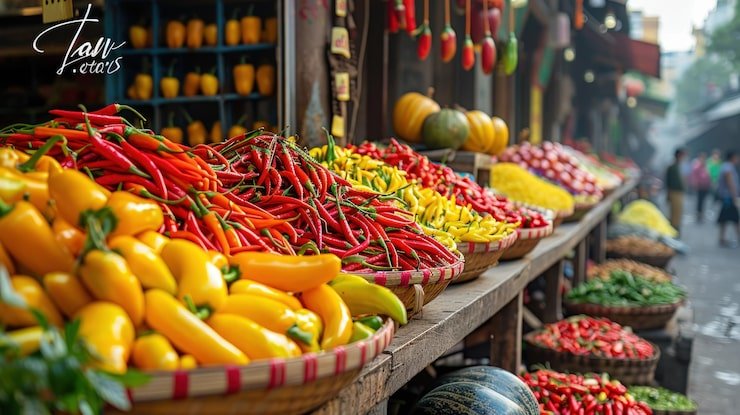
Vietnam's fruits and vegetables sector is becoming increasingly important to the country's agricultural economy, supported by diverse climatic conditions, expanding cultivation, improving processing capabilities, and rising demand from international buyers. Key products include durian, dragon fruit, banana, mango, coconut, jackfruit, pomelo, passion fruit, and longan, while vegetables and processed produce add further opportunities across domestic and export channels.
A comprehensive MarkNtel Advisors' Vietnam fruits and vegetables industry assessment examines the sector across product categories, distribution channels, applications, and regional developments. The study considers fresh and processed produce while highlighting agricultural production, food processing, exports, retail distribution, changing consumer preferences, and supply-chain development as important factors shaping the industry.
Export Demand Strengthens the Sector
Vietnam's export performance demonstrates the growing international relevance of its fruits and vegetables. In the first six months of 2026, fruit and vegetable export turnover reached USD 3.65 billion, representing a 17.8% year-on-year increase. China remained the largest destination, accounting for more than half of export value, while the United States, South Korea, and Japan also contributed to overseas demand.
The performance reflects growing acceptance of Vietnamese produce in international markets and creates opportunities for farmers, processors, exporters, logistics providers, and packaging companies.
Durian Remains a Major Export Driver
Durian has emerged as one of Vietnam's most commercially important fruit exports, particularly because of strong demand from China.
According to recent industry reporting, durian accounted for an estimated 35%–40% of Vietnam's total fruit and vegetable export revenue during the first seven months of 2026, with its contribution reaching as high as 55%–60% in July.
The concentration around durian also highlights the importance of diversifying Vietnam's export portfolio through other fruits and processed products.
Coconut, Mango, and Passion Fruit Gain Momentum
Beyond durian, coconut, mango, passion fruit, banana, jackfruit, and pomelo are creating additional growth opportunities.
Vietnam's exporters are increasingly targeting high-standard destinations, while new market-access protocols and improvements in production practices can help broaden international distribution. Recent industry developments indicate that coconut, mango, and passion fruit have been among the products gaining stronger export momentum.
China Remains a Key Destination
China continues to represent the most important overseas destination for Vietnamese fruits and vegetables. Geographic proximity provides logistical advantages, while growing consumer demand supports large-scale trade.
However, tighter requirements concerning production-area codes, packaging facilities, phytosanitary controls, and traceability are increasing the need for Vietnamese exporters to strengthen compliance systems.
Traceability Becomes Increasingly Important
Traceability is becoming an essential part of Vietnam's agricultural export strategy. Importing countries increasingly expect exporters to demonstrate where produce was grown, processed, packaged, and transported.
Vietnam's Ministry of Agriculture and Environment introduced a pilot traceability system for durian covering production, purchasing, processing, packaging, transportation, and distribution. The initiative is intended to improve transparency, quality management, and export compliance.
Such systems can help exporters build greater confidence among international buyers.
Processing Creates Additional Value
Fresh produce remains important, but processing can reduce dependence on seasonal fresh-fruit shipments and extend product shelf life.
Processed mango, canned fruits, dried produce, frozen fruits, juices, purees, and other value-added products can provide manufacturers with additional revenue opportunities. Vietnam's fruit and vegetable processing segment has been expanding as companies invest in modern facilities and raw-material zones.
Cold Chain Supports Product Quality
Fruits and vegetables often require careful temperature management after harvesting. Efficient cold-chain infrastructure can help reduce spoilage, maintain freshness, and extend shelf life during domestic distribution and international transportation.
Refrigerated storage, temperature-controlled transportation, modern packing facilities, and monitoring technologies can therefore become important competitive advantages.
Modern Farming Improves Productivity
Vietnamese producers are increasingly adopting modern agricultural practices, including controlled cultivation, improved irrigation, advanced crop management, and technology-supported farming.
The use of agricultural technology can improve productivity while helping farmers meet stricter quality requirements from export markets.
Planting-Area Management Gains Importance
International buyers increasingly require traceable production zones. Standardized growing areas can help exporters demonstrate compliance with importing-country requirements.
Vietnamese businesses are therefore paying greater attention to planting-area codes, production standards, pesticide management, and documentation.
Quality Standards Influence Export Competitiveness
International markets impose different requirements for pesticide residues, food safety, packaging, labeling, and phytosanitary compliance.
Meeting these standards can require investment in testing, certification, farm management, post-harvest treatment, and documentation. Companies that consistently meet buyer specifications can strengthen relationships with international distributors.
Domestic Consumption Remains Important
Although exports are a major growth avenue, Vietnam's domestic market remains an important destination for fruits and vegetables.
Fresh produce is widely consumed through traditional markets, supermarkets, convenience stores, specialty retailers, restaurants, foodservice businesses, and online grocery platforms.
Urbanization and modern retail development are also encouraging greater demand for packaged and professionally handled produce.
Supermarkets Improve Product Presentation
Modern retail channels can provide greater visibility for premium and packaged fruits and vegetables. Supermarkets can use standardized packaging, labeling, grading, and quality controls to differentiate products.
Pre-cut fruit, packaged vegetables, ready-to-cook products, and convenient portions can also appeal to urban consumers seeking easier meal preparation.
E-Commerce Expands Accessibility
Online grocery platforms and digital marketplaces provide another channel for fresh produce. Consumers can order fruits and vegetables from supermarkets, specialty retailers, farms, and food-delivery platforms.
Digital channels can be particularly useful for premium produce, seasonal products, gift baskets, and specialty fruits.
Packaging Supports Export Development
Packaging plays an important role in protecting fresh produce during transportation and storage. Appropriate cartons, crates, trays, protective materials, and modified-atmosphere packaging can help reduce physical damage and quality deterioration.
For export products, packaging must also meet destination-country requirements and support efficient handling throughout the supply chain.
Sustainability Becomes More Relevant
Environmental considerations are increasingly influencing agricultural production and food distribution.
Efficient water use, responsible pesticide management, reduced food waste, recyclable packaging, renewable energy, and lower-emission logistics can support more sustainable supply chains.
The industry's growing focus on quality and sustainable development is also reflected in Vietnam's shift toward value-added and technology-driven agricultural exports.
Food Waste Creates Processing Opportunities
Perishable fruits and vegetables can face losses when supply exceeds immediate fresh-market demand. Processing can provide an avenue for utilizing produce that may not be suitable for premium fresh retail but remains appropriate for juices, purees, frozen products, dried foods, sauces, and other applications.
This can improve resource utilization while creating additional commercial value.
Foodservice Expands Applications
Restaurants, hotels, cafés, catering companies, juice bars, bakeries, and food manufacturers use fruits and vegetables across numerous applications.
Fresh produce can be incorporated into salads, desserts, beverages, sauces, prepared meals, smoothies, and other food products. Foodservice demand can therefore complement household consumption and export activity.
Competitive Landscape
The competitive environment includes farmers, cooperatives, fruit and vegetable processors, exporters, wholesalers, supermarkets, food manufacturers, logistics providers, and agricultural technology companies.
Competition is influenced by product quality, consistency, pricing, export compliance, traceability, processing capabilities, cold-chain infrastructure, packaging, and relationships with international buyers.
Conclusion
Vietnam's fruits and vegetables sector is evolving from a volume-focused agricultural industry toward a more quality-driven, traceable, processed, and technology-supported ecosystem. Strong export demand for durian, coconut, mango, banana, passion fruit, jackfruit, pomelo, and other products is creating opportunities across farming, processing, logistics, packaging, and retail.
Future development will increasingly depend on traceability, modern cultivation, post-harvest handling, cold-chain infrastructure, food-safety compliance, processing, and export-market diversification. Companies that combine reliable supply with quality management, value-added processing, and strong international-market compliance can strengthen Vietnam's position in the global fresh and processed produce supply chain.