Vehicle wraps have become a practical way to change a vehicle’s appearance, promote a business, or add another layer of protection over the original paint. Unlike traditional paint, a wrap uses large sheets of adhesive-backed vinyl that conform to the vehicle’s body. Depending on the material and installation, a wrap can be removed or replaced when the owner wants a new look.
Whether you are considering custom vehicle wraps, an automotive wrap for personal use, or graphics for a business vehicle, understanding the benefits, pricing factors, design choices, and maintenance requirements can help you make a better decision.
Benefits of Vehicle Wraps
One of the biggest advantages of vehicle wraps is customization. A wrap can completely change the color and finish of a vehicle without permanently repainting it. Options range from solid colors to digitally printed graphics and specialty finishes such as matte, satin, textured, or metallic effects. Partial wraps can also be used on areas such as the hood, roof, mirrors, or doors.
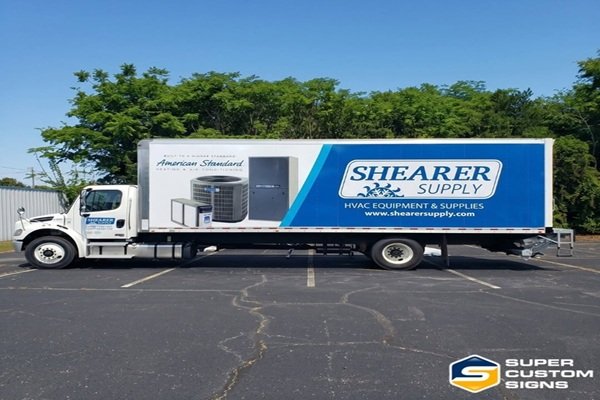
For businesses, vehicle wraps can also function as mobile advertising. Company names, logos, phone numbers, websites, and other brand information can be incorporated into a design, turning regularly driven vehicles into moving marketing assets.
Another benefit is the potential to help preserve the underlying paint. Quality wrap films are designed with removable adhesives and, when applied to suitable OEM paint, can protect the covered surface from everyday environmental exposure.
How Much Do Vehicle Wraps Cost?
There is no single price for a vehicle wrap. The final cost depends on several variables, including the vehicle’s size and shape, coverage area, vinyl quality, design complexity, finish, and installation labor.
A partial vehicle wrap generally costs less than a full wrap because it requires less material and installation time. A full color-change wrap or digitally printed custom wrap requires substantially more coverage. Specialty materials, intricate graphics, difficult body contours, and premium finishes can increase the price further.
As a general industry reference, Avery Dennison reports an average range of approximately $2,000–$4,000 for a standard vehicle wrap, although actual pricing varies significantly by project and market.
For an accurate estimate, compare quotes based on the material specification, coverage, preparation, design work, installation, warranty, and removal terms—not simply the lowest price.
Vehicle Wrap Design Options
The right design depends on whether the wrap is primarily for personalization, color change, or business branding.
Popular options include:
- Full vehicle wraps: Cover most or all painted exterior surfaces.
- Partial wraps: Use selected areas to create a distinctive appearance at a lower project cost.
- Color-change wraps: Replace the vehicle’s visual color without a permanent repaint.
- Printed graphics: Allow photographs, illustrations, patterns, logos, and custom artwork.
- Specialty finishes: Matte, gloss, satin, metallic, carbon-fiber-style, and textured films can create different visual effects.
For commercial vehicles, effective design is usually more important than adding excessive graphics. A clear business name, recognizable branding, readable contact information, and strong contrast can make the vehicle easier to identify from a distance.
How to Maintain a Vehicle Wrap
Proper maintenance plays an important role in extending the appearance and performance of a wrap. Regular cleaning prevents dirt, road contaminants, bird droppings, tree sap, and other substances from remaining on the vinyl for extended periods.
Hand washing with water, a mild detergent, and a soft microfiber cloth is generally recommended. A touchless car wash can be an alternative, while abrasive brushes and aggressive cleaning methods should be avoided because they can scratch the film or lift its edges.
It is also wise to remove fuel spills and difficult contaminants promptly. Whenever possible, parking indoors, in shade, or under suitable protection can reduce prolonged UV and heat exposure.
Finally, follow the specific care instructions supplied for the vinyl installed on your vehicle. Different films can have different cleaning, warranty, and durability requirements.
Final Thoughts
Vehicle wraps combine customization, branding flexibility, and relatively quick visual transformation in one application. The best results depend on choosing an appropriate film, creating a functional design, using professional installation, and following a consistent maintenance routine.
Before investing, consider the vehicle’s condition, intended use, desired coverage, design requirements, and expected lifespan. A well-planned wrap is not simply about making a vehicle look different—it is about selecting the right combination of material, design, installation, and care for the intended purpose.