A VAC machine, also known as Vacuum-Assisted Closure therapy, has transformed the way healthcare professionals manage complex wounds. From chronic ulcers to post-surgical wounds, this advanced medical technology promotes faster healing while reducing the risk of infection. If you’re looking to understand how a VAC machine works, its benefits, and when it’s used, this guide covers everything in a clear and practical way.
What is a VAC Machine?
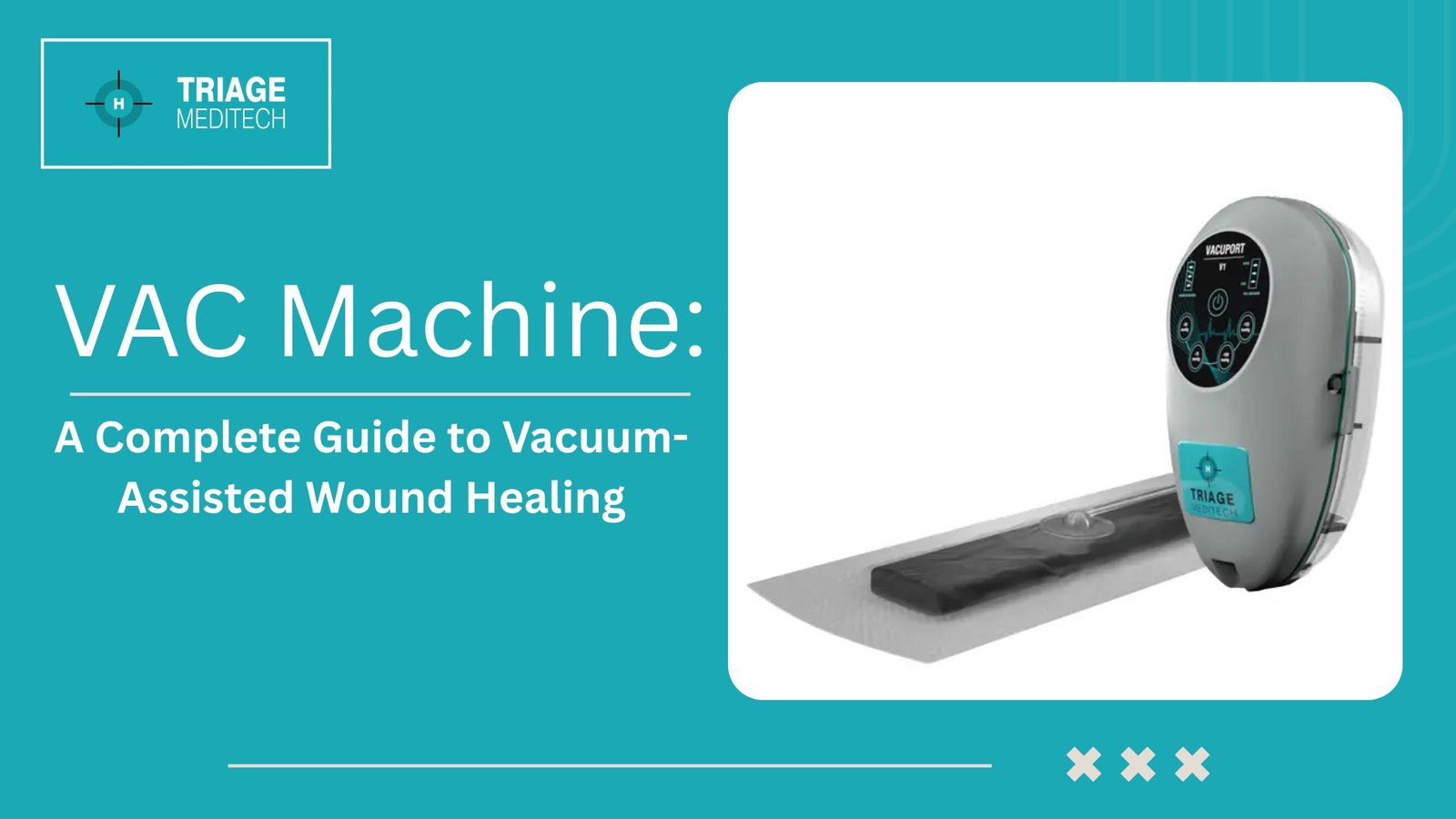
A VAC machine is a medical device used in Negative Pressure Wound Therapy (NPWT). It applies controlled suction (negative pressure) to a wound through a sealed dressing. This process removes excess fluid, reduces swelling, and encourages healthy tissue growth.
The system typically includes:
- A foam or gauze dressing placed in the wound
- A transparent adhesive film to seal the area
- A tube connected to a vacuum pump
- A collection canister for fluids
How Does a VAC Machine Work?
Controlled Negative Pressure
The machine creates a vacuum environment around the wound. This helps draw out fluids and infectious materials, keeping the wound clean.
Improved Blood Flow
The suction stimulates circulation in the affected area, delivering oxygen and nutrients essential for healing.
Tissue Regeneration
By gently pulling the edges of the wound together, the VAC machine encourages the formation of granulation tissue, which is vital for recovery.
Benefits of Using a VAC Machine
Faster Healing
VAC therapy can significantly speed up the healing process compared to traditional dressings.
Reduced Risk of Infection
By continuously removing bacteria and fluids, the machine lowers the chances of infection.
Less Frequent Dressing Changes
Dressings typically need to be changed every 48–72 hours, reducing discomfort and medical visits.
Enhanced Patient Comfort
Patients often experience less pain and better mobility during treatment.
Common Uses of VAC Machines
Chronic Wounds
- Diabetic foot ulcers
- Pressure sores (bedsores)
Surgical Wounds
VAC machines are widely used after surgery to help incisions heal properly.
Traumatic Injuries
Open wounds from accidents or injuries benefit greatly from controlled suction therapy.
Burns
In certain burn cases, VAC therapy helps manage fluid loss and promotes tissue repair.
Who Can Benefit from VAC Therapy?
VAC machines are suitable for patients with:
- Non-healing or slow-healing wounds
- Large or deep wounds
- Wounds with excessive fluid discharge
However, this therapy is not recommended for:
- Untreated infections in some cases
- Malignant wounds
- Wounds with exposed blood vessels or organs
Always consult a qualified healthcare professional before starting treatment.
Care and Maintenance During VAC Therapy
Dressing Changes
Healthcare providers usually change dressings every few days under sterile conditions.
Monitoring the Device
Ensure the machine is functioning properly and the seal remains intact to maintain effective suction.
Hygiene and Safety
Keep the device clean and follow all instructions to prevent complications.
Are There Any Risks?
While VAC machines are generally safe, some possible risks include:
- Skin irritation
- Mild bleeding
- Discomfort from suction
Proper medical supervision minimizes these risks significantly.
VAC Machine vs Traditional Wound Care
| Feature | VAC Machine | Traditional Dressing |
|---|---|---|
| Healing Speed | Faster | Slower |
| Infection Control | High | Moderate |
| Dressing Changes | Less frequent | More frequent |
| Cost | Higher initially | Lower initially |
Although VAC therapy may seem more expensive upfront, it often reduces long-term treatment costs by accelerating recovery.
Conclusion
A VAC machine is a powerful and effective solution for managing complex wounds. By using negative pressure technology, it enhances healing, reduces infection risks, and improves patient outcomes. Whether used in hospitals or at home under supervision, this advanced therapy has become a cornerstone in modern wound care.
If you or someone you care for is dealing with a difficult wound, discussing VAC therapy with a healthcare provider could be a valuable step toward faster recovery.
Tags : .....