Chronic and complex wounds are a growing challenge in modern healthcare. Traditional wound dressings often fail to provide the optimal environment required for faster healing, especially in diabetic ulcers, pressure sores, and post-surgical wounds. This is where the Vac Dressing Machine has transformed wound care. Also known as Negative Pressure Wound Therapy (NPWT), this advanced system accelerates healing, reduces infection risk, and improves patient outcomes.
In this blog, we will explore what a Vac Dressing Machine is, how it works, its benefits, clinical uses, and why it has become an essential tool in modern wound management.
What Is a Vac Dressing Machine?
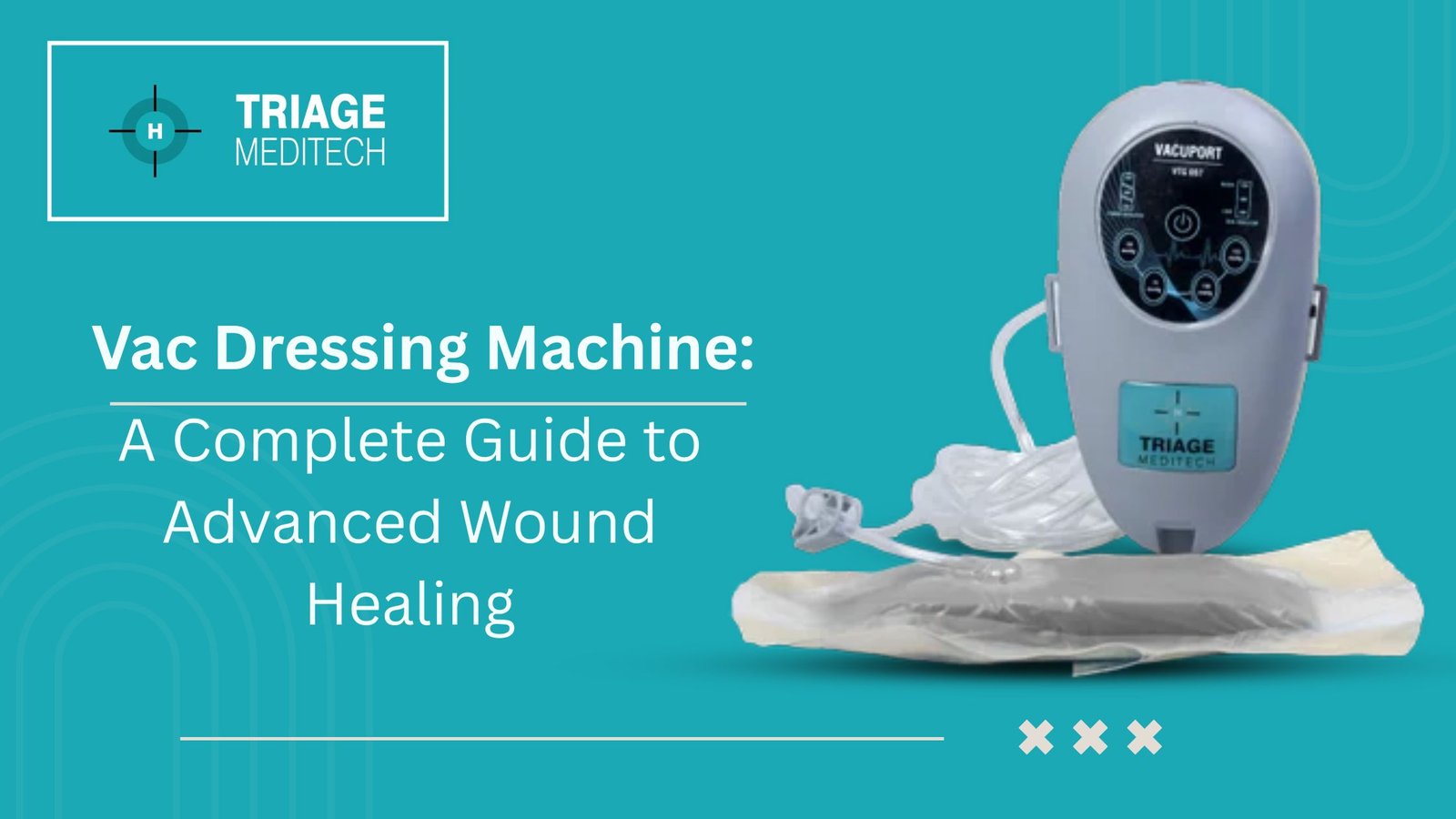
A Vac Dressing Machine is a medical device used in negative pressure wound therapy. It applies controlled suction (negative pressure) to a wound through a sealed dressing. This suction removes excess fluids, reduces swelling, and promotes the formation of healthy granulation tissue.
The machine consists of:
A vacuum pump
A foam or gauze dressing
A drainage tube
A collection canister
An airtight adhesive drape
Together, these components create a controlled healing environment that supports faster and safer wound recovery.
How Does a Vac Dressing Machine Work?
The Vac Dressing Machine works by applying continuous or intermittent negative pressure to the wound bed.
Step-by-Step Working Mechanism
Wound Preparation: The wound is cleaned and debrided if required.
Foam or Gauze Placement: A sterile foam or gauze dressing is placed into the wound cavity.
Sealing the Wound: An adhesive drape creates an airtight seal over the dressing.
Vacuum Application: The machine applies controlled negative pressure through tubing.
Fluid Removal: Excess exudate, bacteria, and debris are drawn into a collection canister.
This process improves blood flow, reduces edema, and stimulates tissue regeneration.
Types of Vac Dressing Machines
Different types of Vac Dressing Machines are available based on clinical needs.
Portable Vac Dressing Machines
Portable machines are lightweight and battery-operated, making them ideal for home care and ambulatory patients. They allow greater mobility while maintaining effective therapy.
Hospital-Grade Vac Dressing Machines
These machines are designed for inpatient care and intensive wound management. They offer advanced pressure settings, alarms, and larger fluid canisters.
Disposable NPWT Systems
Single-use systems are suitable for short-term therapy and smaller wounds. They are simple to use and reduce cross-contamination risks.
Clinical Uses of Vac Dressing Machine
The Vac Dressing Machine is widely used across multiple medical specialties.
Common Indications
Diabetic foot ulcers
Pressure ulcers (bed sores)
Post-surgical wounds
Traumatic and open wounds
Skin grafts and flaps
Burns and infected wounds
By maintaining a moist, protected environment, the machine significantly improves healing outcomes in these conditions.
Benefits of Using a Vac Dressing Machine
The popularity of Vac Dressing Machines is driven by their proven clinical advantages.
Faster Wound Healing
Negative pressure stimulates cell growth and improves blood circulation, leading to faster granulation and wound closure.
Reduced Infection Risk
Continuous fluid removal lowers bacterial load and prevents wound contamination.
Improved Patient Comfort
Fewer dressing changes reduce pain and discomfort compared to traditional dressings.
Better Graft and Flap Survival
Vac therapy helps stabilize skin grafts and flaps, improving adherence and success rates.
Cost-Effective in the Long Term
Although the initial cost may be higher, reduced hospital stays and fewer complications make it cost-effective.
Precautions and Contraindications
While highly effective, Vac Dressing Machines are not suitable for all wounds.
Contraindications Include:
Untreated osteomyelitis
Malignant wounds
Necrotic tissue with eschar
Exposed blood vessels or organs
Active bleeding disorders
Proper patient assessment and medical supervision are essential before starting therapy.
How to Choose the Right Vac Dressing Machine
When selecting a Vac Dressing Machine, consider:
Wound size and depth
Treatment setting (hospital or home care)
Pressure control options
Alarm and safety features
Ease of use and maintenance
Healthcare providers should choose devices that comply with medical standards and patient needs.
Conclusion
The Vac Dressing Machine has revolutionized modern wound care by offering faster healing, lower infection rates, and improved patient comfort. Its ability to create an ideal healing environment makes it indispensable in treating chronic, surgical, and complex wounds. As healthcare continues to advance, Vac Dressing Machines remain a gold standard in effective wound management, benefiting both patients and clinicians alike.