Modern wound care has evolved significantly over the years, and one of the most impactful innovations is Negative Pressure Wound Therapy (NPWT). At the heart of this advanced treatment lies the Vac Dressing Machine, a device designed to accelerate wound healing by applying controlled negative pressure. From chronic ulcers to post-surgical wounds, vac dressing machines are transforming outcomes by reducing infection risk, improving tissue regeneration, and shortening recovery time. This blog explores how a vac dressing machine works, its clinical benefits, applications, and why it is essential for effective negative pressure therapy.
What Is a Vac Dressing Machine?
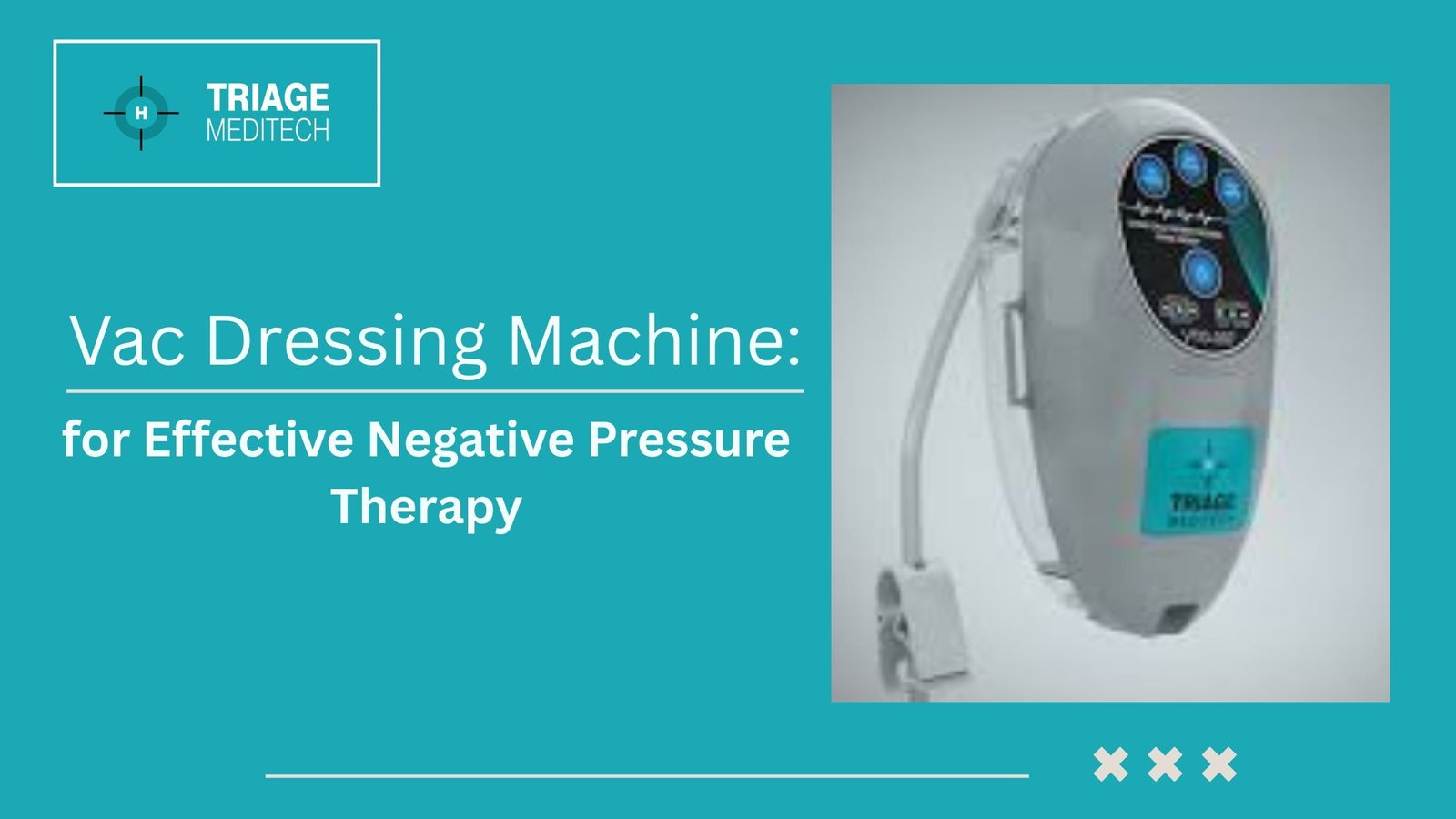
A Vac Dressing Machine, also known as a vacuum-assisted closure device, is a medical system used to treat acute and chronic wounds. It creates a sealed wound environment where continuous or intermittent negative pressure is applied.
How Negative Pressure Therapy Works
Negative pressure therapy involves:
Applying a sterile foam or gauze dressing to the wound
Sealing it with an adhesive drape
Connecting it to a vacuum pump
Generating controlled suction to remove fluids and promote healing
This mechanism helps draw wound edges together, improves blood flow, and stimulates granulation tissue formation.
Key Components of a Vac Dressing Machine
Understanding the components helps in appreciating how effective the system is:
Vacuum Pump Unit
The pump generates adjustable negative pressure tailored to the wound type and patient condition.
Dressing Materials
Specialized foam or gauze dressings evenly distribute pressure across the wound bed.
Tubing and Canister
The tubing connects the wound dressing to a collection canister that safely stores wound exudate.
Control Panel
Allows healthcare providers to regulate pressure levels, therapy mode, and treatment duration.
Clinical Benefits of Vac Dressing Machine Therapy
The use of a vac dressing machine offers multiple advantages over conventional wound care methods.
Faster Wound Healing
Negative pressure therapy promotes angiogenesis (new blood vessel formation), accelerating tissue repair.
Reduced Risk of Infection
By continuously removing excess fluid and bacteria, the wound environment remains clean and protected.
Improved Patient Comfort
Fewer dressing changes are required, minimizing pain and disruption to healing tissue.
Enhanced Wound Closure
The suction effect helps approximate wound edges, leading to faster and more efficient closure.
Medical Applications of Vac Dressing Machines
Vac dressing machines are widely used across multiple medical specialties due to their versatility.
Chronic Wounds
Diabetic foot ulcers
Pressure sores (bedsores)
Venous leg ulcers
Acute and Surgical Wounds
Post-operative wounds
Traumatic injuries
Skin grafts and flaps
Burns and Complex Wounds
Vac therapy helps manage burn wounds by controlling moisture and promoting tissue regeneration.
Vac Dressing Machine in Negative Pressure Therapy: Why It Matters
Negative pressure therapy requires precision, consistency, and safety—qualities delivered by a well-designed vac dressing machine.
Controlled Pressure Delivery
Modern devices allow precise pressure adjustments, ensuring optimal therapy without tissue damage.
Continuous or Intermittent Modes
Different wound types benefit from varied therapy modes, which these machines support.
Portability and Ease of Use
Advanced models are compact and portable, enabling patient mobility and even home-based care.
Safety and Medical Accuracy Considerations
While highly effective, vac dressing machine therapy must be used under proper medical supervision.
When Not to Use NPWT
Untreated osteomyelitis
Malignancy in the wound
Exposed blood vessels or organs
Monitoring and Maintenance
Regular assessment of wound progress, dressing integrity, and device function is essential for safe outcomes.
Choosing the Right Vac Dressing Machine
When selecting a vac dressing machine, healthcare providers should consider:
Pressure range and control options
Ease of operation
Availability of consumables
Compliance with medical safety standards
Quality equipment ensures reliable negative pressure therapy and better patient results.
Conclusion
The Vac Dressing Machine for effective negative pressure therapy has become a cornerstone of modern wound management. By creating an optimal healing environment, reducing infection risks, and accelerating tissue regeneration, it offers superior outcomes compared to traditional dressings. Whether used in hospitals, clinics, or home care settings, vac dressing machines play a vital role in improving patient recovery and quality of life. As wound care technology continues to advance, negative pressure therapy remains a trusted, evidence-based solution for complex and chronic wounds.