As call centers continue to manage growing customer demand, speed and efficiency have become essential. Manual dialing and traditional outbound calling methods often slow down agents and reduce productivity. This is where predictive dialers play a vital role. When combined with An IP phone system, predictive dialing technology helps modern call centers connect with more customers while minimizing idle time.
Predictive dialers are designed to automate outbound calls and ensure agents spend more time talking to customers rather than waiting between calls. Their intelligent logic and integration with modern telephony systems have made them a core component of today’s call center operations.
What Is a Predictive Dialer?
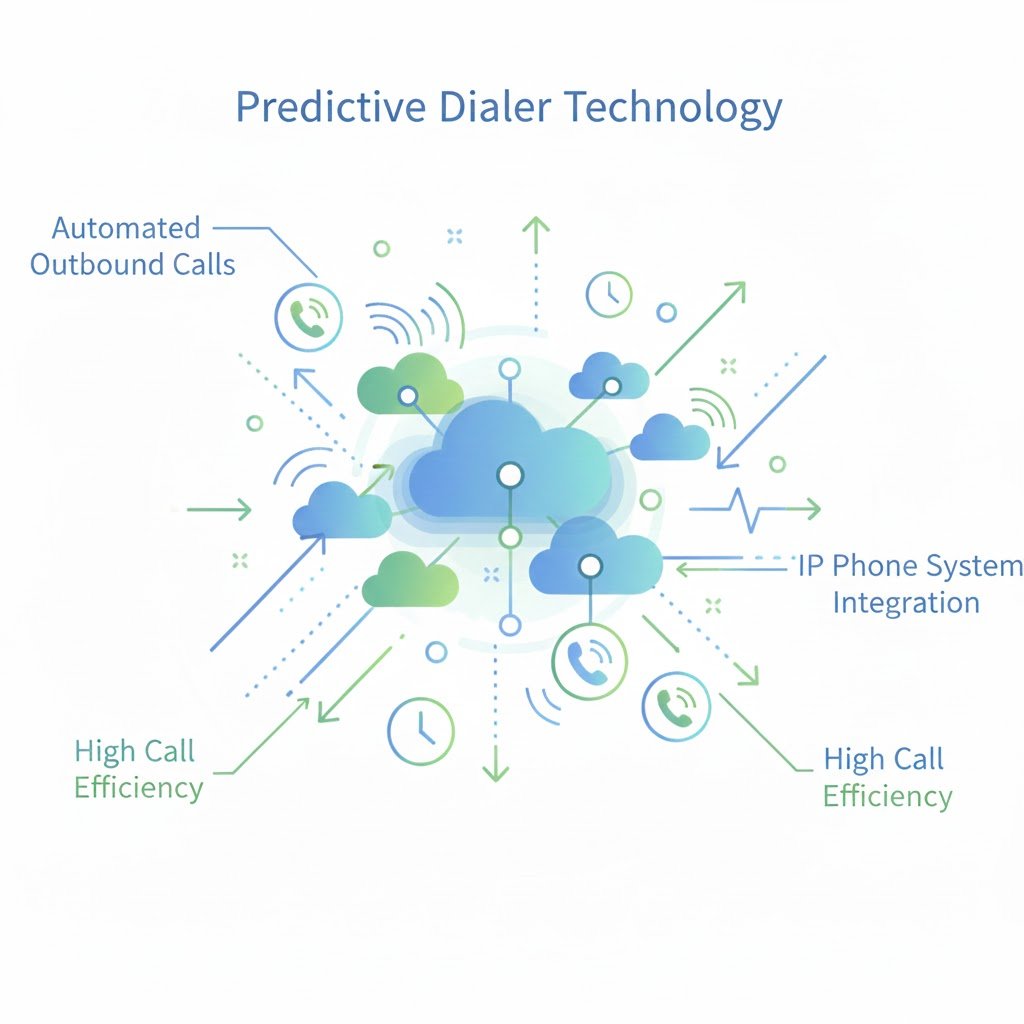
To understand predictive dialer meaning, it helps to break down how the system works. A predictive dialer automatically dials multiple phone numbers at once based on agent availability and call-answer probability. Using historical data, algorithms predict when an agent will finish a current call and start dialing the next set of numbers before that moment arrives. When a call is answered, it is instantly routed to an available agent. If a call goes unanswered or reaches voicemail, the system moves on without agent involvement. This automated approach significantly increases talk time and reduces operational delays.
How Predictive Dialers Work in Call Centers
Predictive dialers operate using real-time data and call statistics. The system tracks factors such as call duration, answer rates, and agent availability. Based on this information, it adjusts dialing speed automatically throughout the day. For example, during peak hours when customers are more likely to answer, the system increases call volume. During slower periods, it reduces dialing intensity to avoid dropped calls. This balance ensures compliance while maintaining productivity. When integrated with an IP phone system, predictive dialers deliver clearer voice quality, stable connectivity, and centralized call management. Agents can handle calls from multiple locations using a unified communication setup.
The Role of IP Phone Systems in Predictive Dialing
An IP phone system forms the technical backbone of predictive dialing. Unlike traditional telephony, IP-based calling uses the internet to transmit voice data. This allows call centers to scale operations easily and manage large call volumes without heavy infrastructure costs. With IP phones, predictive dialers can route calls seamlessly to agents regardless of location. Supervisors gain access to live call data, agent performance metrics, and call recordings from a single dashboard. This flexibility makes IP telephony ideal for both in-house and remote teams.
Key Benefits of Predictive Dialers
One of the most significant advantages of predictive dialers is improved agent productivity. By eliminating manual dialing, agents focus entirely on conversations that matter. This leads to higher call connection rates and better use of work hours. Another major benefit is reduced idle time. Agents no longer wait for calls to connect, which increases morale and performance. Predictive dialers also help standardize calling processes, making training easier for new staff. From a business perspective, predictive dialing lowers cost per contact. With more calls completed in less time, organizations can achieve better outcomes without increasing workforce size.
Predictive Dialers and Customer Experience
Modern call centers are not just about volume—they’re about meaningful interactions. Predictive dialers support better customer experiences by ensuring calls are handled promptly and efficiently. Advanced systems can prioritize high-value leads, schedule callbacks, and route customers to agents with the right expertise. When combined with CRM data, agents receive customer context before answering the call, enabling personalized conversations. This intelligent approach reduces frustration on both sides and increases the chances of successful outcomes.
Compliance and Responsible Dialing
While predictive dialers are powerful, responsible use is critical. Modern solutions include compliance features that help businesses follow local calling regulations. These systems monitor call abandonment rates, limit excessive dialing, and respect time-zone restrictions. Call centers can also set dialing rules to prevent repeated unanswered calls to the same number. With proper configuration, predictive dialers remain both effective and compliant.
Use Cases Across Industries
Predictive dialers are widely used in industries such as sales, customer support, finance, healthcare, and surveys. Sales teams rely on them to reach more prospects efficiently. Support teams use them for follow-ups and service reminders. In collections and finance, predictive dialing helps manage high call volumes while maintaining professionalism. Across all industries, integration with an IP phone system ensures consistent call quality and reliable performance.
The Future of Predictive Dialing
As artificial intelligence and analytics evolve, predictive dialers are becoming smarter. Future systems will further refine call timing, customer segmentation, and agent matching. Integration with voice analytics and AI-powered insights will enhance decision-making and improve outcomes. For modern call centers, predictive dialers are no longer optional—they are a strategic necessity. When paired with a robust IP phone system, they enable organizations to operate faster, smarter, and more efficiently in a competitive communication landscape.