Understanding Hair Growth Scalp Treatment in Spring Hill: A Practical Guide to Healthier Hair
By lash edit 04-09-2026 6
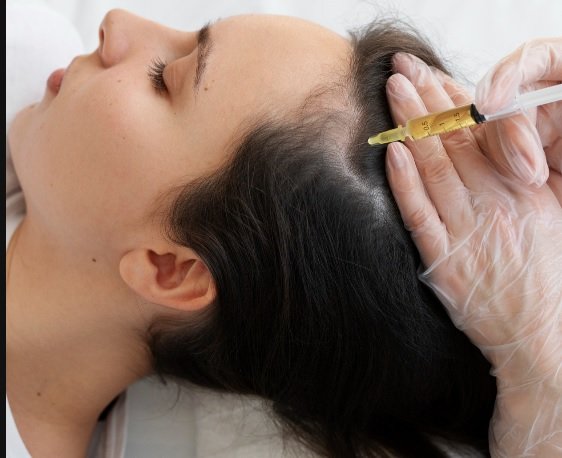
Healthy hair begins with a healthy scalp. When people notice increased shedding, thinning, dryness, or slow hair growth, they often focus only on shampoos and hair products. However, the condition of the scalp can play an important role in supporting healthy-looking hair. A hair growth scalp treatment Spring Hill approach may involve improving scalp hygiene, addressing buildup, supporting hydration, and creating a healthier environment for hair growth.
Understanding what affects the scalp can help individuals make informed decisions about their hair care routine. This guide explains common scalp concerns, available treatment approaches, practical habits, and when professional medical advice may be appropriate.
What Is a Hair Growth Scalp Treatment?
A hair growth scalp treatment is a care approach designed to improve scalp health and support the conditions needed for healthy hair growth. Depending on an individual's needs, treatment may focus on cleansing, exfoliation, hydration, circulation, or reducing excess product buildup.
Hair growth naturally occurs in cycles, and many factors can influence those cycles. Genetics, hormones, nutrition, stress, certain medical conditions, and scalp health may all affect hair density and shedding.
A hair growth scalp treatment Spring Hill routine should therefore focus on realistic goals. Improving scalp health may support healthier hair, but no single treatment can guarantee rapid hair growth for everyone.
Common Goals of Scalp Treatments
Scalp-focused treatments may help address:
- Excess oil and product buildup
- Dry or flaky scalp conditions
- Poor scalp hydration
- Accumulated dead skin cells
- Hair that appears weak or dull
- General scalp discomfort caused by unsuitable products
The best approach depends on the underlying cause of the concern.
Why Scalp Health Matters for Hair Growth
Hair follicles are located within the scalp, making scalp care an important part of an overall hair care routine. A scalp that is regularly cleansed and appropriately moisturized can provide a better environment for normal hair growth.
However, it is important to distinguish between cosmetic scalp care and medical treatment. Persistent hair loss or sudden thinning may require evaluation by a qualified healthcare professional or dermatologist.
The Hair Growth Cycle
Hair growth typically follows several stages:
Anagen: The Growth Phase
This is the active growth stage. Hair remains in this phase for a significant period, depending on factors such as genetics and overall health.
Catagen: The Transition Phase
During this short stage, the hair follicle transitions from active growth toward rest.
Telogen: The Resting Phase
The hair eventually sheds, allowing a new growth cycle to begin.
Because hair naturally grows in cycles, temporary shedding does not always indicate a serious problem.
Common Scalp Issues That Can Affect Hair Appearance

Several scalp concerns may influence how hair looks and feels.
Product Buildup
Styling products, oils, dry shampoo, and heavy conditioners can accumulate on the scalp. Regular cleansing can help prevent excessive buildup.
Dryness and Flaking
A dry scalp may feel tight or uncomfortable and can produce visible flakes. Using overly harsh cleansers may sometimes worsen dryness.
Excess Oil
Some people produce more scalp oil than others. Choosing an appropriate cleansing schedule can help maintain balance without excessive washing.
Irritation
Fragrances, strong ingredients, and certain styling products may irritate sensitive skin. Identifying products that trigger discomfort can be useful.
Types of Scalp Care Approaches
Different approaches may be used depending on individual scalp needs.
Scalp Care Approach | Main Purpose | Best Consideration |
|---|---|---|
Gentle cleansing | Removes oil and daily buildup | Suitable for regular maintenance |
Scalp exfoliation | Helps remove dead skin and buildup | Should not be overused |
Hydrating treatments | Supports moisture balance | Useful for dry-feeling scalps |
Scalp massage | May promote relaxation and circulation | Can be part of a regular routine |
Professional assessment | Identifies underlying concerns | Important for persistent hair loss |
A hair growth scalp treatment Spring Hill plan may combine several of these approaches rather than relying on only one method.
Actionable Tips for Supporting Scalp Health
1. Cleanse According to Your Scalp Type
There is no single washing schedule that works for everyone. People with oily scalps may need more frequent cleansing, while those with dry or textured hair may prefer less frequent washing.
Pay attention to how your scalp feels between washes.
2. Avoid Excessive Product Buildup
Using multiple styling products can sometimes leave residue on the scalp. Consider simplifying your routine if your hair feels heavy or your scalp becomes uncomfortable.
Clarifying products may occasionally help remove buildup, but frequent use can cause dryness for some people.
3. Massage the Scalp Gently
Gentle scalp massage can be incorporated into a hair care routine. Use fingertips rather than fingernails to avoid irritating the skin.
A few minutes of gentle massage during washing may also help distribute cleansing products more evenly.
4. Focus on Overall Nutrition
Hair health is connected to overall health. A balanced diet containing adequate protein, vitamins, and minerals supports normal body functions, including healthy hair growth.
Before taking supplements specifically for hair growth, it is wise to speak with a qualified healthcare professional, especially if nutritional deficiencies are suspected.
5. Protect Hair From Excessive Damage
Frequent heat styling, harsh chemical treatments, and tightly pulled hairstyles can contribute to breakage.
Reducing unnecessary stress on the hair can help preserve the appearance of length and fullness.
How to Choose the Right Hair Growth Scalp Treatment

Choosing a hair growth scalp treatment Spring Hill option should begin with identifying the primary concern.
Ask yourself:
- Is my scalp dry, oily, flaky, or irritated?
- Am I experiencing normal shedding or noticeable thinning?
- Have I recently changed hair products?
- Do I use heavy styling products frequently?
- Has the hair loss appeared suddenly?
Understanding these questions can help determine whether a cosmetic scalp routine is appropriate or whether medical evaluation is necessary.
When to Seek Professional Medical Advice
Consider consulting a dermatologist or qualified healthcare provider if you experience:
- Sudden or significant hair loss
- Bald patches
- Persistent scalp pain
- Severe itching or inflammation
- Hair loss following illness or medication changes
- Continued thinning that does not improve
A medical professional can help identify potential underlying causes.
People Also Ask
What is the best treatment for scalp health and hair growth?
The best treatment depends on the cause of the concern. Gentle cleansing, proper hydration, reducing buildup, and addressing underlying medical conditions can all support scalp health.
How often should I use a scalp treatment?
Frequency depends on the type of treatment and your scalp condition. Some treatments are designed for regular use, while exfoliating products may be used less frequently.
Can scalp massage help hair growth?
Scalp massage may support relaxation and circulation, but it should not be considered a guaranteed solution for significant hair loss.
Does a healthy scalp guarantee faster hair growth?
No. Scalp health is only one factor. Genetics, hormones, nutrition, age, and overall health also influence hair growth.
When should I see a dermatologist about hair loss?
Seek professional advice if hair loss is sudden, severe, patchy, painful, or persistent.
Creating a Simple Weekly Scalp Care Routine
A manageable routine is often easier to maintain than an overly complicated one.
Step 1: Cleanse Properly
Use a cleanser suitable for your scalp and thoroughly rinse away product residue.
Step 2: Add Treatment When Needed
Choose treatments based on your specific concerns, such as hydration or occasional exfoliation.
Step 3: Avoid Over-Treating
Using too many products can sometimes create additional irritation or buildup.
Step 4: Monitor Changes
Pay attention to changes in shedding, scalp comfort, and hair appearance over time.
Consistency and patience are important because visible changes in hair growth typically occur gradually.
Frequently Asked Questions About Hair Growth Scalp Care
Can I do scalp treatments at home?
Yes, basic scalp care such as gentle cleansing, appropriate hydration, and careful massage can often be incorporated into a home routine.
Are oils always good for the scalp?
Not necessarily. Some oils may feel beneficial for certain hair types, while excessive use can contribute to buildup for others.
Can stress affect hair shedding?
Stress can affect the body in many ways and may contribute to changes in the normal hair growth cycle for some individuals.
Should I wash my hair every day?
It depends on your scalp type, hair texture, lifestyle, and product use. There is no universal schedule.
How long does it take to notice changes?
Hair grows gradually, so noticeable changes may take time. The timeline varies depending on the individual and the underlying cause of the concern.
A thoughtful hair growth scalp treatment Spring Hill routine should focus on maintaining a clean, balanced, and comfortable scalp while recognizing that hair growth is influenced by many factors. Gentle cleansing, appropriate hydration, reduced buildup, healthy lifestyle habits, and professional guidance when necessary can all contribute to better scalp care.
lash-edit
5262 Applegate Dr, Spring Hill, FL 34606
(813) 997-8892