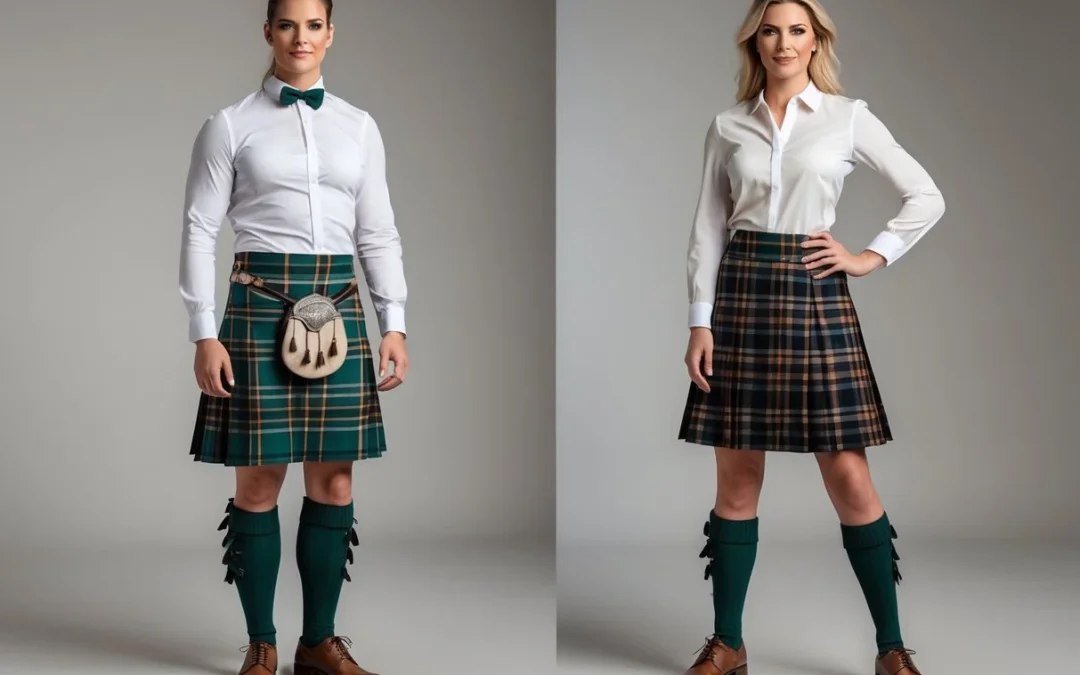
For centuries, Scottish kilts have stood as powerful symbols of identity, pride, and cultural heritage. Originating from the Scottish Highlands, kilts have evolved from simple garments of survival and tradition into iconic fashion statements worn worldwide. Among the most recognizable types are Tartan Kilts, known for their distinct plaid patterns that represent clans, families, or regions. While traditional kilts honor age-old customs, contemporary designs blend modern styles with practicality. In this article, we’ll explore the key differences between traditional and contemporary Tartan Kilts — from design and craftsmanship to how they’re worn in today’s world.
1. The Origins of the Tartan Kilt
To understand the difference between traditional and modern kilts, it’s important to know where they came from. The original Scottish kilts appeared in the 16th century and were known as the “Great Kilt” or Feileadh Mòr. This full-length garment was both a blanket and a piece of clothing, protecting Highlanders from harsh weather.
As time passed, the kilt evolved into the smaller, tailored version we know today — the Feileadh Beag or Little Kilt. This shift made kilts more comfortable and easier to wear during battles and everyday work. Each tartan pattern began to represent a specific clan or region, giving birth to the deep symbolism behind Tartan Kilts.
2. Traditional Tartan Kilts: Heritage in Every Thread
Traditional Tartan Kilts remain true to their historical roots. Every detail — from the fabric choice to the pleating — reflects Scotland’s rich heritage. These kilts are handwoven from pure wool and display authentic clan tartans, often registered with the Scottish Tartan Authority.
Key Features of Traditional Kilts:
Material: 100% wool, typically 13 to 16 ounces per yard, making it warm and durable.
Design: Hand-pleated with precise folds, usually about 8 yards of fabric.
Tartan Patterns: Represent specific clans, regions, or military units.
Fastening: Secured with leather straps and metal buckles, along with a sporran at the front.
Occasions: Commonly worn at weddings, Highland games, and ceremonial events.
Traditional Scottish kilts are not just clothing — they are symbols of ancestry. Wearing one connects a person to their lineage, embodying pride, loyalty, and respect for Scotland’s cultural past.
3. The Rise of Contemporary Tartan Kilts
In the 21st century, the kilt has found new life beyond the boundaries of tradition. Contemporary Tartan Kilts are designed for modern lifestyles — merging classic style with comfort, functionality, and fashion innovation.
Unlike their traditional counterparts, modern kilts often feature lightweight fabrics, adjustable waistbands, and creative tartan designs that are not tied to clans. They cater to individuals who want to embrace Scottish culture while expressing personal style.
Key Features of Contemporary Kilts:
Material: Cotton, polyester, acrylic, or even denim for everyday wear.
Design: Simplified pleating, sometimes shorter or styled differently.
Functionality: Includes pockets, zippers, or detachable accessories for convenience.
Color Variety: Expands beyond classic tartans to bold and creative color schemes.
Occasions: Perfect for casual wear, concerts, festivals, or modern weddings.
Contemporary Tartan Kilts symbolize freedom and innovation — showing that Scottish heritage can adapt and remain stylish in the modern era.
4. Craftsmanship and Tailoring Differences
Traditional kilts are masterpieces of craftsmanship. Each kilt is usually made to measure, tailored to the wearer’s exact waist, hip, and length. The pleats at the back are carefully sewn by hand to ensure the pattern aligns perfectly — a process that can take up to 20 hours.
Contemporary kilts, on the other hand, are often machine-stitched, making them more affordable and accessible. Many brands offer adjustable or ready-made options to fit various body types without custom tailoring. While they may lack the historical authenticity of handmade kilts, they make Scottish fashion more inclusive for global audiences.
5. The Symbolism Behind Tartan Patterns
Every tartan tells a story. Traditional tartans represent family or clan connections, passed down through generations. For example, wearing your family’s registered tartan demonstrates honor and respect for your heritage.
Modern Tartan Kilts, however, often break free from these boundaries. Designers today create new tartans for businesses, events, or personal use — allowing anyone to wear tartans that resonate with their personality rather than lineage. This evolution has expanded the meaning of tartans from heritage to self-expression.
6. Wearing the Kilt: Then and Now
In earlier centuries, wearing a kilt was not just about style — it was a way of life. Highlanders wore kilts daily for practicality, using the long fabric as protection against the elements. Today, traditional Scottish kilts are reserved for formal events like weddings, Burns Night dinners, and Highland gatherings.
Contemporary kilts, however, have entered everyday fashion. You’ll see them at music festivals, sports events, or even as casual streetwear. The shift reflects how the kilt has become more versatile, bridging the gap between ancient tradition and modern culture.
7. Comfort and Functionality
When it comes to comfort, both traditional and contemporary kilts have their strengths. Traditional Tartan Kilts offer warmth and durability, ideal for formal and outdoor occasions. However, they can feel heavy and less flexible for daily use.
Contemporary kilts solve that problem by using lighter materials and practical features like belt loops, pockets, and Velcro closures. This makes them ideal for people who want to enjoy the look and spirit of a kilt without compromising mobility or comfort.
8. The Modern Appeal of Scottish Kilts Worldwide
Today, Scottish kilts are worn by people across the world — not just Scots. They have become fashion statements that blend tradition with individuality. Celebrities, athletes, and even brides have embraced Tartan Kilts in creative ways.
From punk rock subcultures in London to high-end fashion shows in Paris, the kilt’s versatility is unmatched. Designers use modern materials, asymmetrical pleats, and creative cuts to bring a fresh twist to a centuries-old tradition. This global appeal keeps the spirit of Scotland alive in every stitch.
9. Choosing Between Traditional and Contemporary Kilts
The decision between a traditional and contemporary kilt depends on your purpose.
Choose Traditional Tartan Kilts if you want authenticity, heritage, and ceremonial significance. They are ideal for weddings, clan gatherings, or national events.
Choose Contemporary Tartan Kilts if you prefer comfort, versatility, and modern design. They work well for casual wear, festivals, or fashion-forward looks.
Both styles celebrate Scottish pride — one through reverence for history, the other through innovation and creativity.
10. The Future of Tartan Kilts
As fashion evolves, Tartan Kilts continue to hold their place in global style. Many modern tailors now blend traditional craftsmanship with contemporary fabrics, creating hybrid designs that respect history while appealing to modern tastes. Eco-friendly materials and digital tartan prints are also emerging trends, reflecting a new era of sustainable Scottish fashion.
The kilt has come a long way from the Highlands to high fashion. Whether traditional or contemporary, it remains a proud emblem of Scotland’s cultural legacy — one that continues to inspire generations worldwide.
Conclusion
The difference between traditional and contemporary Tartan Kilts lies not just in fabric or design, but in philosophy. Traditional kilts preserve Scotland’s noble past, representing honor, loyalty, and clan pride. Contemporary kilts celebrate individuality, comfort, and creativity — proving that heritage can adapt without losing its essence.
Tags : Wey Court West