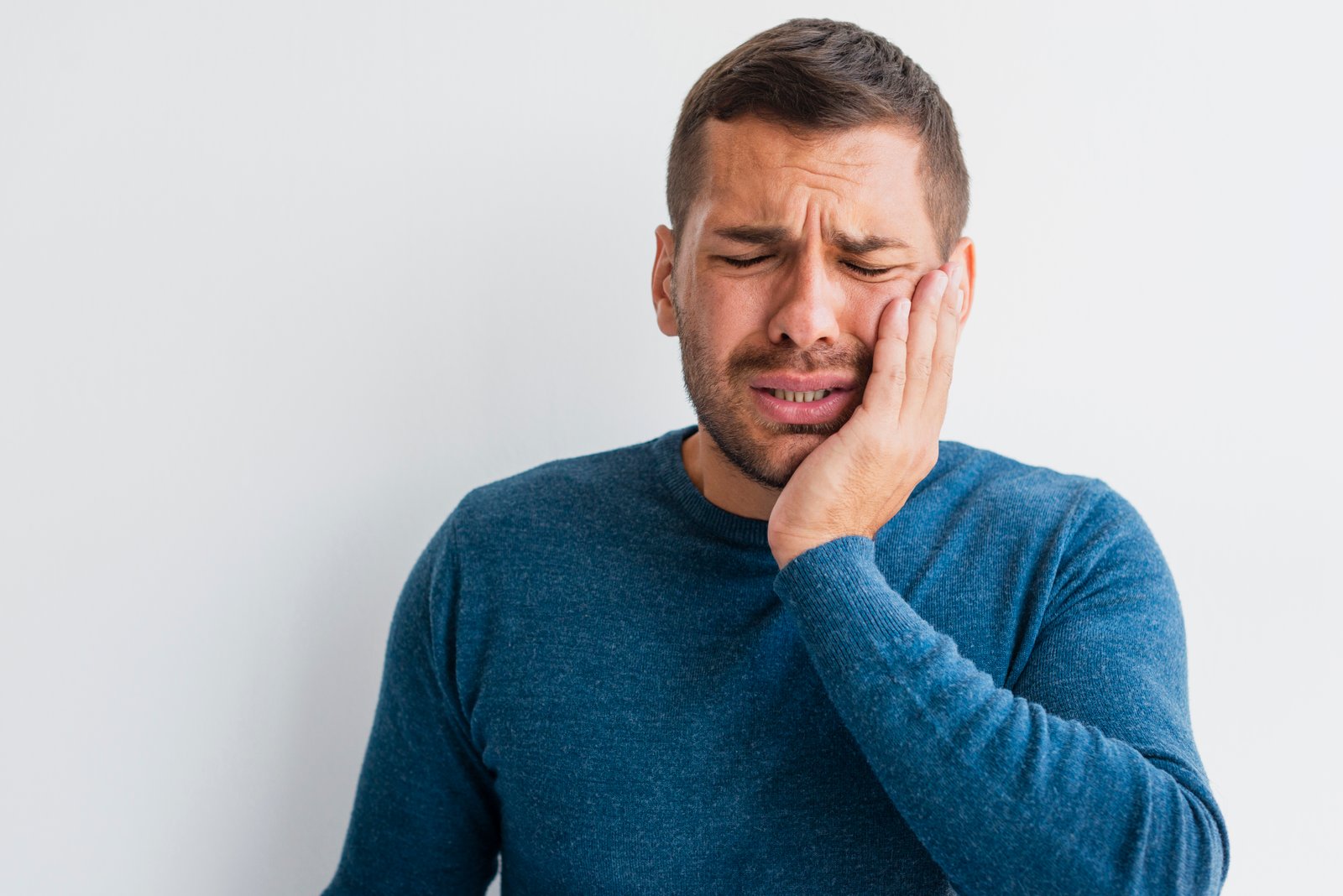
Let’s be honest. Breaking a tooth isn’t exactly rare. Some people chip one crunching on hard candy. Others crack one from a fall or just chew something tougher than expected. At first, it might not seem like a big deal. Maybe there’s no pain. Maybe it looks like just a tiny chip. Easy to brush off, right? Wrong. Ignoring a broken tooth is one of the quickest ways to land yourself in bigger trouble later.
Why Acting Fast Really Matters
When that enamel layer breaks, the inside of your tooth loses its shield. Suddenly, nerves and softer tissue are sitting exposed. Bacteria? Heat? Cold drinks? Even the pressure from chewing? They all sneak in easier. And once that happens, the risk of infection skyrockets. Research backs this up. The Journal of Dental Research has pointed out that untreated cracks often lead to nasty abscesses or infections spreading deeper into the body (source). Sure, a lot of folks end up taking meds like amoxicillin for tooth infection when the swelling kicks in. Antibiotics can calm things down, but here’s the hard truth: they can’t fix the tooth itself. They’re a temporary band-aid. What you really need is a dental fix. That’s where a professional like a family dentist Houston residents trust comes in. They treat the root of the problem, not just the surface.
What Can Actually Go Wrong If You Ignore It?
Bacterial Infections
A crack is basically an open doorway for bacteria. Once they get inside, they don’t stop. They dig into the pulp and spread. That’s how abscesses form. Painful, messy, and sometimes dangerous. The American Dental Association (ADA) warns untreated infections can spread to the bloodstream and cause sepsis in rare but real cases (ADA Resource).
Dead Nerves and Lost Teeth
Your pulp chamber isn’t just tissue, it's packed with nerves and blood vessels. Once bacteria hit that zone, it’s a downward spiral. Root canals might save the day, but wait too long and you could be looking at an extraction. And replacing a missing tooth? Way pricier and more complicated
Jawbone Damage
A lost or untreated tooth means less chewing force in that area. Over time, your jawbone weakens because it’s not getting the stimulation it needs. Bone loss isn’t just a dental issue it changes how your face looks and can mess with eating or speaking.
Overall Health Risks
Oral health and body health are tied together. The CDC has shown that gum infections and untreated oral problems can connect to heart disease, diabetes issues, and even lung infections (CDC Oral Health). That broken tooth might seem small, but the ripple effect can hit your whole system
Warning Signs You Shouldn’t Brush Off
Some chips are small and harmless. Others are screaming for a dentist. If you notice any of these, don’t wait:
Pain when you chew or bite
Sharp sensitivity to hot, cold, or sweet stuff
Swelling in your gums around the broken tooth
A nasty taste or smell in your mouth
Dark spots or discoloration in the tooth itself
If one or more of these sound familiar, you need a dentist’s chair ASAP.
What Can Be Done to Fix It
The good news? Dentists have tools to repair the damage. The fix depends on how bad the break is.
Bonding/Filling – Small chips? Quick fix. A bit of resin and you’re good.
Crowns – Bigger cracks? A crown covers and strengthens the whole tooth.
Root Canal – Infection deep inside? This clears it out and saves the tooth.
Extraction + Replacement – If it’s too far gone, removal may be the only way. Implants or bridges can replace it later.
Each option is about protecting you from bigger headaches down the road.
Prevention Is Always Easier
Honestly, prevention saves you time, money, and pain. The ADA says a check-up every six months is key (ADA Guidelines). Visiting a trusted family dentist Houston can make sure small problems are caught early before they turn serious. Use a mouthguard if you play sports. Stop chewing on ice or hard candy. Brush and floss daily. These small habits cut your risk of a broken tooth in half.
A Reality Check from Real Cases
This isn’t just theory. Real people have faced scary situations because of ignored dental injuries. A report in the New England Journal of Medicine documented how an untreated infection from a broken tooth spread to the neck and chest. The patient ended up in the hospital, needing surgery (NEJM Study). It doesn’t happen every day, but it proves how serious it can get.
Final Thoughts
A broken tooth is never just cosmetic. It’s a red flag. It’s the start of a chain reaction that can bring infections, nerve pain, and even bigger health risks if you let it slide. Yes, antibiotics like amoxicillin help manage infections, but they don’t solve the core issue. Only a professional dentist can do that. So, if you’ve got a break, don’t wait. Book a visit with someone you trust maybe a family dentist Houston locals already recommend. Acting early saves money, spares you pain, and keeps your smile safe. Bottom line: don’t gamble with your teeth. They don’t grow back, and your health depends on them more than you think.