If you’re looking into Ethiopia Holiday Packages from UAE, you’re probably expecting ancient history—and Ethiopia delivers, but not in a polished, museum-like way. It’s raw, layered, and sometimes harder to access than you’d like. That’s part of the experience.
This isn’t a destination where you rush through landmarks. Distances are long. Roads can be unpredictable. And some of the most important sites require real effort to reach. But if you’re willing to slow down, Ethiopia gives you something deeper than just “sightseeing.”
Let’s go through the historical places that actually stand out—and what you should know before visiting them.
Lalibela: Impressive, But Plan Your Timing
Lalibela is usually the main reason people come. And yes, the rock-hewn churches are as remarkable as you’ve heard.
But here’s what most people don’t tell you: your experience depends heavily on timing.
Arrive midday, and you’ll deal with tour groups, guides competing for attention, and a slightly rushed atmosphere.
I visited one of the churches early in the morning—just after sunrise. Quiet. Almost no one around. That’s when Lalibela feels real.
You walk down narrow passages carved into stone. Churches emerge below ground level. It doesn’t feel like a monument—it feels like something still in use.
What to expect:
- Entry fees are high, but access lasts multiple days
- Local guides are useful but negotiate clearly
- Dress modestly—it’s an active religious site
Where trips go wrong: Treating Lalibela as a quick stop. Give it at least 2 days.
Aksum: Quiet but Historically Massive
Aksum doesn’t feel dramatic at first. No big crowds. No overwhelming structures.
But historically, it’s one of the most important sites in Africa.
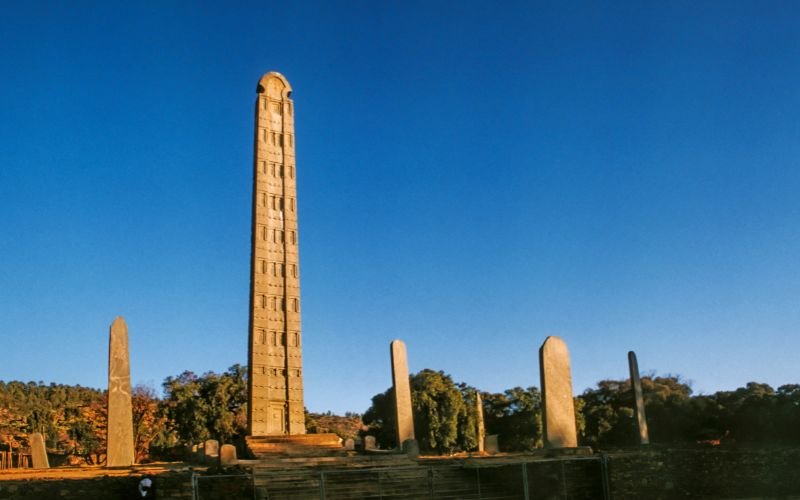
This was the center of the ancient Aksumite Kingdom. The obelisks (stelae) are the main attraction—massive stone structures carved centuries ago.
I remember standing near the largest one, trying to understand how it was even built. There’s not much signage. Not much explanation unless you hire a guide.
That’s the catch: Aksum doesn’t explain itself easily. You need context.
Highlights:
- The stelae field
- The Church of St. Mary of Zion (linked to the Ark of the Covenant tradition)
- Archaeological remains scattered around town
Most people miss this: Aksum is about understanding, not just seeing. Without context, it can feel underwhelming.
Gondar: Castles in an Unexpected Place
Gondar feels different. Almost European at first glance.
The Royal Enclosure—often called the “Camelot of Africa”—has stone castles, towers, and walls that don’t match the typical image of Ethiopia.
Walking through it, you get a sense of how powerful this city once was.
But it’s not perfectly preserved. Some buildings are partially damaged. That actually adds to the atmosphere.
I visited in the late afternoon. Fewer people, softer light. That’s when Gondar looks its best.
What stands out:
- Fasil Ghebbi (the castle complex)
- Debre Berhan Selassie Church (famous ceiling artwork)
Tip: Don’t rush this. Spend time walking slowly through the complex.
Harar Jugol: Culture, Not Just History
Harar feels completely different from the rest of Ethiopia.
It’s compact, walled, and full of narrow alleyways. More Middle Eastern in atmosphere than African.
You don’t come here just for monuments. You come for the feel of the place.
I got lost walking through the alleys—on purpose. That’s how you experience Harar.
There’s also the famous hyena feeding outside the city at night. It sounds touristy. It kind of is. But it’s still unusual enough to be worth seeing once.
What to expect:
- Tight streets, easy to navigate on foot
- Strong local culture
- Fewer large “sites,” more everyday life
Where trips go wrong: Trying to rush through Harar. It’s not that kind of destination.
Tiya: Small but Intriguing
Tiya is often skipped—and that’s a mistake.
It’s not huge. You won’t spend hours here. But the carved stelae are mysterious, and not fully understood.
Located south of Addis Ababa, it works well as a stop on the way to other destinations.
I spent less than an hour here—but it stuck with me. Sometimes smaller sites do that.
Good for:
- A quick but meaningful stop
- Breaking up longer journeys
Debre Damo: Hard to Reach, Worth It?
Debre Damo is one of those places you hear about and wonder if it’s practical.
Access involves climbing a sheer cliff using a rope. Yes, really.
Not for everyone. Also, traditionally only accessible to men.
I didn’t make the climb myself—but spoke to travelers who did. They all said the same thing: difficult, but unforgettable.
Important:
- Check access rules before planning
- Be realistic about physical requirements
Getting Around: This Is Where Plans Break
Ethiopia looks manageable on a map. It’s not.
Flights help. Roads take time.
Delays happen. Schedules shift.
This is where most trips go wrong—trying to cover too much ground too quickly.
Better approach:
- Focus on 2–3 regions max
- Use domestic flights where possible
- Build buffer time into your itinerary
When to Visit
Timing matters more than people expect.
- October to March: Best weather, especially for northern sites
- Rainy season (June–September): Lush landscapes but harder travel conditions
I visited in November—dry, clear, easier for moving between sites.
Final Thoughts
Ethiopia isn’t a smooth travel experience—and that’s exactly why it works.
The historical sites here don’t feel staged or overly curated. You’re not walking through polished exhibits. You’re stepping into places that still carry meaning, often still in use.
If you’re planning Ethiopia Holiday Packages from UAE, don’t try to see everything. Focus on a few key sites—Lalibela, Gondar, maybe Aksum—and give them time.
The value isn’t in how many places you visit. It’s in how deeply you experience them.
FAQs
1. What is the most famous historical site in Ethiopia?
Lalibela’s rock-hewn churches are the most iconic.
2. Is Ethiopia safe for tourists?
Generally yes, but always check current travel advisories and plan with local guidance.
3. How many days do you need to explore Ethiopia’s historical sites?
At least 7–10 days for a meaningful experience.
4. Do I need a guide at these sites?
Not always required, but highly recommended for context and navigation.
5. What is the best time to visit Ethiopia?
October to March offers the best weather conditions.
6. Are domestic flights reliable in Ethiopia?
Generally yes, and they save significant travel time compared to roads.
7. What’s the biggest mistake travelers make?
Trying to cover too many locations without accounting for travel time and logistics.