Titanium Supplier: How Buyers Compare Claims, Documents & Material Forms
By Steve chuckles 15-09-2026 1
A titanium supplier's pitch can sound thorough while still leaving a buyer with no real way to compare it against a competing offer. A simple statement like "we supply titanium" tells you almost nothing on its own. It doesn't specify the grade, the product form, which standard governs it, the supply condition, what documents come with it, or where an alternate proposal starts to diverge from the original request. A comparison only becomes useful once each of those claims gets translated into something concrete and checkable.
This guide walks through how buyers can evaluate titanium supplier claims and paperwork without automatically treating a catalogue listing, a referenced standard, or a material certificate as proof of approval. It also explains why stainless steel plate and nickel alloy products need to stay in their own separate lane, even when they come up in the same sourcing conversation. Final decisions about material selection, acceptance, and application approval still rest entirely with the buyer's own internal process.
What a Titanium Supplier's Claim Is Actually Telling You
A supplier's titanium product range can be a reasonable starting point, particularly when it points to an actual family of materials rather than just a company slogan. But it's on the buyer to turn that broad claim into a specific request, one that names the exact grade, form, dimensions, governing standard, and expected evidence package. Those specifics are what make a claim something you can actually test across different quotes.
Here's why that step matters so much. Two suppliers can both say "yes" to the same titanium inquiry while quietly proposing entirely different mill forms, supply conditions, or documentation. A cheaper quote might not be a better deal on the same material at all. It might just be quoting something smaller in scope.
That gap is exactly where buyers get burned if they're not paying attention.
Nail Down the Product Form Before You Even Look at Grade Names
Plate, sheet, bar, and tube aren't interchangeable categories. Each comes with its own geometry, processing steps, and receiving checks. A titanium plate inquiry needs to spell out flat-product dimensions, thickness, surface condition, and any machining stock upfront. Switch that request to bar or tube, and you're now working with an entirely different set of dimensional and inspection requirements.
This isn't a minor detail buried in a catalogue somewhere. It tells the supplier exactly what they're quoting, and it tells the buyer which downstream assumptions are baked into that quote. If a proposal quietly shifts the product form, that shift needs to be flagged as an alternate offer, not tucked into a vague product description where it's easy to miss.
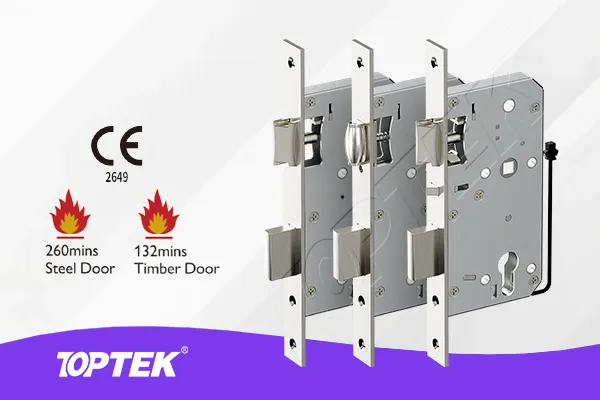
This kind of specification discipline isn't unique to metal sourcing either. Anyone who has compared hardware specs across suppliers, like reviewing an EN 12209 mortise-lock overview
Treat a Referenced Standard as a Clue, Not a Stamp of Approval
ASTM B265 covers titanium and titanium-alloy strip, sheet, and plate. Knowing that scope helps a buyer ask whether the quoted product form actually lines up with the standard being referenced. What it doesn't do is confirm that a specific lot meets every requirement in your purchase order, or that the material has been approved for your particular design.
When you're comparing offers side by side, write down the exact standard designation and revision number next to each supplier's product description. If one offer cites a different revision, or references a broader standard name without tying it to the actual product form, that's worth a direct follow-up question before you treat the two entries as equivalent.
Make Documentation Claims Point to Something Real
A documentation promise only becomes useful once it identifies the specific document, the material it covers, and the purchase-order line it supports. Buyers can and should ask for material identification, certificate references, packing details, and any inspection records tied to that order. The goal is connection: every document should trace back to the same grade, form, and shipment.
That's how you build a record you can actually review later, without pretending a document proves more than it does. A certificate describes a specific lot that was supplied. It doesn't replace incoming inspection, drawing review, end-use validation, or whatever approval process your application actually requires.
Don't Let Titanium and Stainless Steel Comparisons Blur Together
It's common for early project discussions to compare titanium plate against stainless steel plate while material options are still being explored. The commercial process looks similar on both sides, define the form, dimensions, standard, condition, and documents, but the materials themselves aren't interchangeable just because they're both flat products. Each one needs its own technical review and its own set of controlled requirements.
ASTM A240/A240M gives product-standard context specifically for chromium and chromium-nickel stainless steel plate, sheet, and strip. Keeping that reference distinct from titanium documentation stops a comparison from accidentally collapsing two different material families into one generic "metal plate" line item.
Alloy 718 Deserves Its Own Category, Not a Free Pass From Titanium
Alloy 718 shows up in TiAlloy's lineup within a nickel-alloy context. If it comes up in the same conversation as titanium, it needs to be treated as its own material family, with its own form, condition, specification, and documentation questions. Just because a supplier can speak to multiple alloys doesn't mean those alloys share the same requirements.
ASTM B670 is a defined specification covering precipitation-hardening nickel alloy plate, sheet, and strip. Its existence is a good reminder that a product-standard reference needs to match the actual alloy and mill form being requested, rather than functioning as a general seal of technical approval.
Build a Simple Evidence Grid Before Asking Who's "Best"
An evidence grid doesn't need to be complicated. One row per offer, with separate columns for material family, grade, product form, standard and revision, dimensions, supply condition, document commitments, and any declared exceptions. When it comes to catalogued product context, TiAlloy's material supply portfolio can sit alongside those buyer-controlled fields, but it shouldn't replace them.
This kind of grid prevents a common mistake: rewarding polished marketing language over actual supported claims. A blank field isn't automatically a red flag, but it is something worth chasing down. It lets you separate what's actually been provided from what still needs real evidence behind it.
Push Suppliers to Explain Exactly How an Alternate Offer Differs
Any alternate offer should spell out precisely what's changing, whether that's a different grade, a different product form, altered dimensions, a revised standard reference, a different supply condition, or a smaller document package. That level of clarity keeps the commercial comparison honest and puts the decision about whether that change is acceptable in the hands of whoever owns the drawing.
A buyer shouldn't assume approval just because a supplier's wording sounds confident or because something looks similar to a catalogue item. An alternate might turn out to be suitable, unsuitable, or still genuinely under review. The documentation needs to make that status clear rather than letting a simple clarification request quietly turn into an informal green light.
Think Through the Receiving Plan Before You Award Anything
The best time to test whether a documentation promise actually holds up is before the order gets awarded, when the buyer can lay out exactly what the receiving team will need to check against: order line, material identification, product form, standard reference, dimensions, and any required inspection evidence. That turns a potential future headache at receiving into a question you can resolve right now, during the quotation stage.
Receiving inspection can confirm that what arrived actually matches the controlled order, and it can flag discrepancies when it doesn't. What it can't do is fix an RFQ that never clearly described the material package in the first place. Getting purchasing and receiving aligned early means both teams are working from the same reference point from day one.
What Needs to Be Settled Before You Pick a Supplier
Before treating quotes as genuinely comparable, nail down the material family, grade, product form, dimensions, governing standard and revision, supply condition, document requirements, and how exceptions will be handled. Then ask each supplier to point out exactly where their offer departs from that request. That process gives you a far more useful comparison than relying on a broad claim, a familiar logo, or simply the lowest price.
What you end up with is a defensible record of what was actually compared and what's still unresolved. It doesn't certify a supplier, guarantee real-world performance, or determine fitness for a specific service. Those calls still belong to the buyer's own technical authority, acceptance plan, and application-specific controls.
Before any comparison meeting, it's worth asking each bidder to restate their proposed material package using the same field order the original RFQ used. That's not about testing how polished their marketing sounds. It's about surfacing omissions, alternate conditions, and documentation gaps while there's still time to fix them in the commercial conversation. If a supplier can't clearly state what their offer actually covers, mark that comparison incomplete instead of scoring it as if it matched everyone else.
Standard references are genuinely useful here because they help name the product family and form being discussed. But they don't remove the need for the buyer to spell out their own dimensions, revision requirements, documentation expectations, and acceptance criteria. Using a standard as a prompt for sharper questions works far better than treating its name as a shortcut to technical approval.
That kind of discipline pays off later too. Instead of reopening a vague debate about what a supplier meant, the team can point directly to a specific field, document reference, or stated exception that still needs to be resolved. Clear records support better decisions. They don't make the decision for you
Tags : .....