7 Digital Dentistry Innovations That Are Transforming Implant Workflows
By Michelle Quill 15-09-2026 4
Introduction
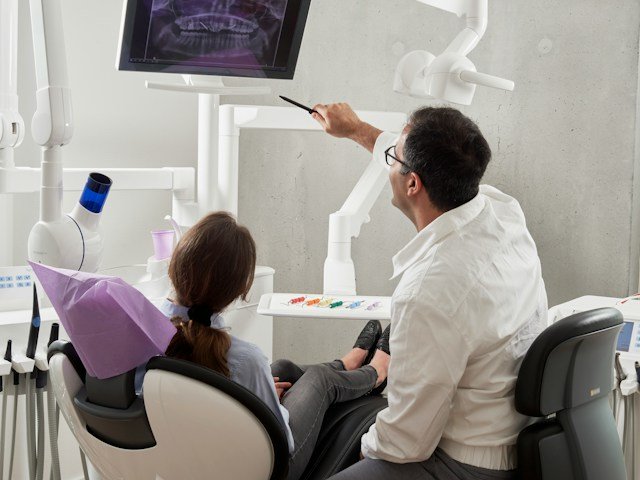
Dental implant procedures have evolved significantly over the past decade, thanks to rapid advancements in digital dentistry. Traditional implant workflows often relied on physical impressions, manual planning methods, and multiple patient visits. While effective, these approaches could be time-consuming and leave room for inconsistencies. Today, modern digital technologies are helping clinicians streamline every stage of implant treatment, from diagnosis and surgical planning to restoration and long-term maintenance.
The integration of digital tools has improved precision, enhanced communication between dental professionals, and created a more comfortable experience for patients. As technology continues to advance, dental practices are discovering new ways to achieve predictable outcomes while increasing efficiency. Here are seven digital dentistry innovations that are reshaping implant workflows and setting new standards for patient care.
Intraoral Scanners Replacing Traditional Impressions
One of the most noticeable changes in modern dentistry is the widespread use of intraoral scanners. Traditional impression materials can be uncomfortable for patients and may require retakes if inaccuracies occur.
Digital scanners capture highly detailed images of a patient's oral structures within minutes. These scans create accurate digital models that can be instantly shared with laboratories and specialists. As a result, clinicians can reduce treatment delays, improve accuracy, and provide a more comfortable patient experience throughout the implant process.
Cone Beam Computed Tomography Improving Diagnosis
Accurate diagnosis is the foundation of successful implant treatment. Cone Beam Computed Tomography (CBCT) has transformed how dental professionals assess bone structure, nerve locations, and anatomical conditions before surgery.
Unlike traditional two-dimensional imaging, CBCT provides detailed three-dimensional views of the oral and maxillofacial region. This advanced visualization helps clinicians evaluate available bone, identify potential complications, and develop more precise treatment plans. Better imaging leads to greater confidence and predictability during implant placement.
Digital Treatment Planning Enhancing Precision
Modern implant planning software allows dentists and specialists to design procedures with remarkable accuracy before entering the treatment room. Digital planning tools combine patient scans, photographs, and radiographic data into a comprehensive virtual model.
Using these platforms, clinicians can determine the optimal implant position, angle, and depth while considering functional and aesthetic goals. This level of planning reduces uncertainty and helps create more predictable outcomes for both straightforward and complex implant cases.
Photogrammetry Advancing Full-Arch Implant Accuracy
Full-arch implant restorations require exceptional precision to ensure proper fit and long-term stability. Recent developments in dental photogrammetry have significantly improved the accuracy of digital implant records.
This technology uses advanced imaging techniques to capture the exact spatial position of implants with a high level of detail. By reducing the risk of distortions sometimes associated with conventional measurement methods, photogrammetry supports more accurate restorations and minimizes the need for adjustments during delivery.
Surgical Guides Supporting Predictable Placement
Guided implant surgery has become increasingly popular as digital workflows continue to evolve. Surgical guides are custom-designed using digital planning data and manufactured to support accurate implant placement.
These guides help clinicians follow the planned implant trajectory with greater consistency. Benefits often include shorter surgical times, reduced invasiveness, improved precision, and enhanced patient comfort. Guided workflows can also increase confidence when treating anatomically challenging cases.
CAD/CAM Technology Streamlining Restorations
Computer-Aided Design and Computer-Aided Manufacturing (CAD/CAM) technology has revolutionized the creation of implant restorations. Digital scans can be converted into highly detailed restorative designs that are manufactured with exceptional accuracy.
Whether producing crowns, bridges, abutments, or full-arch prosthetics, CAD/CAM systems help reduce manual errors and improve restoration quality. The technology enables laboratories and clinicians to work more efficiently while delivering custom restorations that fit precisely and function effectively.
Cloud-Based Collaboration Improving Communication
Successful implant treatment often involves collaboration among general dentists, specialists, dental laboratories, and treatment coordinators. Cloud-based platforms are making this collaboration faster and more efficient than ever before.
Digital files, treatment plans, scans, and design modifications can be shared securely and instantly among team members. Improved communication reduces delays, minimizes misunderstandings, and ensures everyone involved in the case has access to the latest information. This connected approach helps maintain workflow efficiency from consultation to final restoration.
Conclusion
Digital dentistry continues to transform implant workflows by introducing technologies that improve precision, efficiency, and patient outcomes. From intraoral scanning and 3D imaging to virtual treatment planning, guided surgery, and advanced restorative manufacturing, these innovations are helping dental professionals deliver increasingly predictable results.
As digital solutions become more sophisticated and accessible, implant procedures are likely to become even more streamlined and patient-focused. Practices that embrace these advancements can enhance clinical accuracy, strengthen collaboration, and create a smoother treatment experience while meeting the evolving expectations of modern patients.
Tags : .....