Thread Lift vs. Facelift: Which One Works Best for Sagging Cheeks and Jawlines?
By Emma Carter 28-11-2025 87
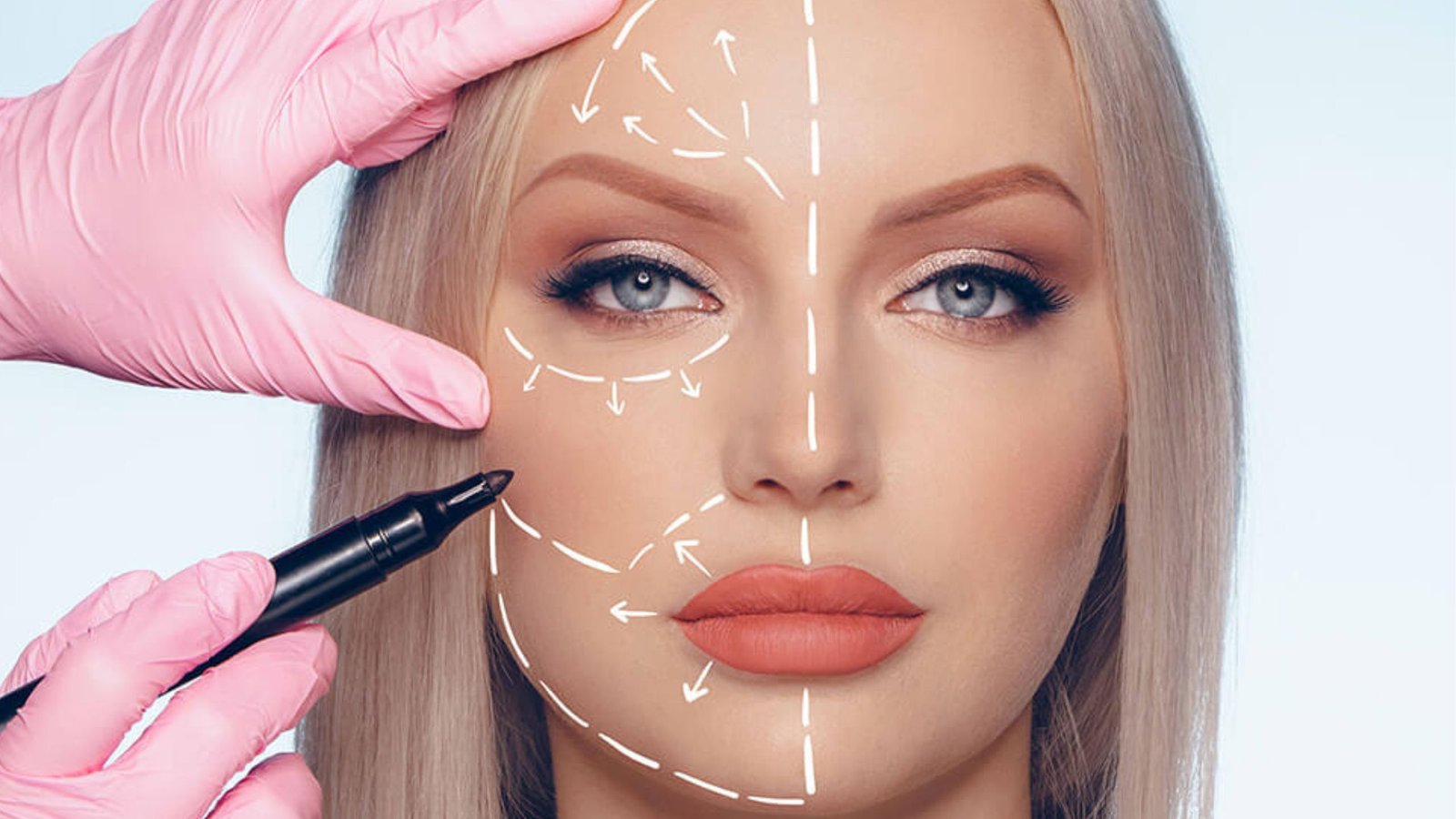
Aging shows itself first in the cheeks and jawline. Many people in the Netherlands notice softer contours, early jowls or loose skin when they reach their late 30s or early 40s. When that moment arrives, one big question comes up: Should I choose a thread lift or go for a facelift? Everyone wants to know the answer which treatment is better.
To help you make a smart and confident choice this guide explains both treatments clearly, which one is better for you and trusted medical sources. We’ll look at how each works, what results you can expect and which option gives better improvement for sagging cheeks and jawlines.
Why Do Cheeks and Jawlines Start to Sag? (Real Medical Data)
Before comparing treatments, it's important to understand why sagging happens and what are the factors behind it.
1. Your skin loses collagen
The American Academy of Dermatology (AAD) reports that collagen production drops by about 1% every year after age 25. Less collagen means weaker skin support, which makes the cheeks fall and the jawline look softer.

2. Your facial fat pads move downward
A study published in the Plastic and Reconstructive Surgery Journal explains that the fat compartments in the midface slowly shift downward with age. This makes the cheeks look flatter and shadows become deeper.
3. Bone loss affects the jawline
The Dermatologic Surgery Journal shows that aging reduces bone volume in the jaw and chin area. Less bone support lets the skin sag more easily and leads to visible jowls.
These changes are natural, but different treatments like thread lifts and facelifts can help restore structure and definition.
Understanding Thread Lifts (Clear and Simple)
To compare things the right way, you must understand wat is een draadlift. In short, a thread lift uses very thin dissolvable threads placed under the skin to lift and tighten the tissue.
How it works
- PDO, PLLA, or PCL threads are inserted into the skin.
- The tiny hooks or cones on the thread catch and lift the tissues.
- Your body forms new collagen around the threads.
- Threads dissolve in months, but the collagen stays.
Medical data
- Cleveland Clinic (2023): PDO threads dissolve in about 6–12 months, but collagen production continues for much longer.
- Aesthetic Surgery Journal (2024): Thread lifts work best for early sagging, especially in patients aged 30–45.
Who benefits most
- Mild cheek drooping
- Early jowl formation
- People wanting a natural, subtle lift
- People with limited downtime
This treatment is part of modern “non-surgical facelift” options. It is not meant to replace surgery; it is meant to delay it.
If you’re curious and want to explore draadlift behandeling further, you can find more details here.
Understanding Facelifts (Rhytidectomy)
A facelift is a surgical procedure that lifts not only the skin, but also the deeper facial layers known as the SMAS layer.
How a facelift works
- Skin is gently separated.
- The SMAS layer is repositioned.
- Extra skin is removed.
- Jawline and neck structure are reshaped.
Medical sources
- Mayo Clinic (2024): A facelift tightens deeper tissues and removes loose skin for long-lasting results.
- American Society of Plastic Surgeons (ASPS): Results can last 7–10 years depending on patient age and lifestyle.
Who benefits most
- Moderate to severe sagging
- Heavy jowls
- Deep folds around the mouth
- Loose skin on the neck
A facelift offers the strongest improvement, but it comes with more downtime.
Thread Lift vs. Facelift — The Real Differences Explained
Here are the key differences between threadlift and facelift explained in simple language grounded in the research I’ve reviewed.

1. Level of Improvement
- Thread lift improves mild to medium sagging
- Facelift corrects deep sagging, strong jowls, and neck laxity
Journal of Cosmetic Dermatology (2023) confirms that facelifts reshape the structure, while thread lifts adjust the surface layers.
2. Longevity
- Thread lift: results last 12–24 months (Source: Aesthetic Surgery Journal)
- Facelift: results last 7–10 years (Source: ASPS Global Review)
3. Downtime
- Thread lift: 1–3 days (Source: Cleveland Clinic )
- Facelift: 2–4 weeks (Source: Mayo Clinic)
4. Invasiveness
- Thread lift = minimally invasive
- Facelift = surgical
5. Cost
European averages (2024–2025):
- Thread lift: €400–€2,000 (Source: Aesthetic Medicine Europe)
- Facelift: €6,000–€12,000 (Source: ISAPS Global Survey)
Which Is Better for Sagging Cheeks?
Thread lift for cheeks
A thread lift works well when sagging is early or mild. The threads lift the fat pads slightly and tighten the skin.
The Dermatologic Surgery Journal (2024) found that thread lifts are effective for restoring light cheek contour in younger patients.
Facelift for cheeks
A facelift works better when:
- cheeks look flat
- folds around the nose and mouth are deep
- skin hangs loosely
The ASPS states that the surgical repositioning of the SMAS layer gives long-term midface support that threads cannot match.
Simple verdict
- Mild cheek sagging → Thread lift
- Strong cheek sagging → Facelift
Which Is Better for the Jawline and Jowls?
Thread lift for jawline
The Aesthetic Surgery Journal reports thread lifts can improve early jowls and sharpen the jawline for people in their 30s and early 40s.

Facelift for jawline
If jowls are more noticeable or you have loose skin under the chin, a facelift is stronger.
Mayo Clinic confirms that a facelift corrects both the jawline and neck in one procedure.
Simple verdict
- Early jowls → Thread lift
- Heavy jowls → Facelift
Safety and Risks (Honest and Simple)
Thread Lift Risks
- Mild swelling
- Bruising
- Temporary puckering
- Rare: thread visibility (Source: Cleveland Clinic)
Facelift Risks
- Hematoma
- Nerve issues (temporary)
- Scarring (Source: ASPS & Mayo Clinic
When done by certified specialists, both treatments are considered safe.
How to Choose the Right Treatment (Practical Advice)
Based on my researches and studies I reviewed you can choose a thread lift :
- If you want natural improvement
- If you want quick recovery
- If you have early signs of sagging
- If you want collagen stimulation
People can choose a facelift :
- If you want dramatic results
- If you have deep sagging in the cheeks and jawline
- If you want long-lasting improvement
- If you don’t mind longer recovery
People can also combine these treatments with fillers or skin boosters for longer-lasting results, depending on their needs.
Expert Opinions
Dr. Julius Few, a well-known American aesthetic surgeon, said in a 2024 interview:
“Thread lifts are perfect for early aging changes, but they are not a replacement for facelift surgery.”
Dr. Bryan Mendelson, author and facial surgeon, wrote:
“Deep SMAS repositioning gives structural results that skin-level treatments cannot achieve.”
Their statements show that each treatment has its own purpose.
Final Verdict
Both thread lifts and facelifts help with sagging cheeks and jawlines, but they are made for different levels of aging:
- If you have mild sagging and want something subtle with little downtime → Choose a Thread Lift
- If you have deeper sagging, strong jowls, or want long-lasting and dramatic results → Choose a Facelift
In my opinion, the best way to know what suits you is to consult a trained aesthetic doctor who can check your skin, fat pads, and bone structure.
With the new year coming up, I see many people using this time to do something just for themselves. If you’ve been thinking about improving your cheeks or jawline, this might be the right moment to take that step.