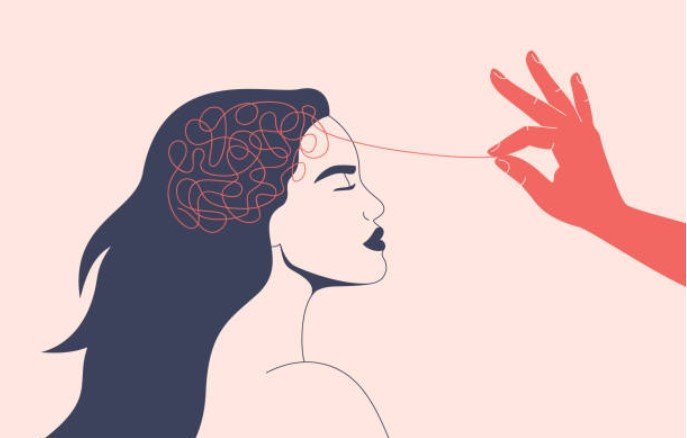
Thoughtful Ways Individuals Are Prioritizing Their Well-Being :-
Have you ever felt like taking better care of yourself should be simpler and more natural?
These days, more people are making small but meaningful choices to feel better in their everyday lives. Instead of waiting for the “right time,” they are adding simple habits that support both mind and body.
The focus has shifted toward balance, comfort, and feeling good in a steady, realistic way.
Daily Habits Are Becoming More Intentional
People are starting to pay closer attention to how their daily routines affect how they feel. Even small changes can bring a sense of calm and clarity.
By building thoughtful habits, well-being becomes part of everyday life instead of something distant.
Simple Routines That Make A Difference
A lot of people are choosing routines that feel gentle and manageable.
Some common examples include:
- Waking up at a consistent time
- Spending a few quiet minutes in the morning
- Drinking enough water throughout the day
- Taking short breaks between tasks
- Getting fresh air regularly
These actions may seem small, but together they help create a steady and positive rhythm.
Making Time For Rest And Reset
Rest is now seen as an important part of feeling well, not something to skip.
Many individuals are adding simple reset moments into their day, such as:
- Short walks
- Listening to calm music
- Sitting quietly without distractions
- Light stretching
These breaks help people return to their day feeling refreshed and focused.
Emotional Well-Being Is Getting More Attention
More people are now open about how they feel and are taking steps to support their emotional side. This shift is helping create a more caring and understanding approach to well-being.
It’s no longer just about physical health. It’s about feeling balanced inside, too.
Talking And Sharing Feels More Natural
People are realizing that sharing thoughts can bring relief and clarity.
Support can come in many forms:
- Conversations with friends or family
- Writing thoughts in a journal
- Joining supportive communities
- Talking with professionals
In some discussions about recovery spaces, names like Seasons in Malibu may come up as part of broader conversations around calm environments that support emotional well-being. This reflects how people are paying more attention to surroundings that feel peaceful and supportive.
Creating Space For Positive Thoughts
Mental clarity often comes from giving yourself space to think and reflect.
Helpful practices include:
These small steps can help people feel more grounded in their daily lives.
Environment Plays A Bigger Role Than Before
People are becoming more aware of how their surroundings affect their mood and energy. A calm and comfortable space can make a big difference.
That is why many individuals are adjusting their environments to better support their well-being.
Creating Comfort At Home And Beyond
Simple changes at home can help create a more peaceful setting.
For example:
- Keeping spaces clean and organized
- Adding natural light
- Using calming colors
- Creating a cozy corner for relaxation
These adjustments make it easier to slow down and feel at ease.
Choosing Spaces That Feel Supportive
Some people also explore peaceful settings outside their homes to focus on their well-being. While learning about different recovery environments, places like The Beach Cottage are sometimes mentioned in conversations about calm, coastal settings that encourage rest and reflection.
This reflects a growing preference for spaces that feel warm, quiet, and supportive.
Well-Being Is Becoming A Personal Priority
One of the biggest changes today is how people view their own needs. Taking care of yourself is now seen as something important and worth time.
People are making choices that feel right for them, instead of following a fixed idea of what well-being should look like.
A Simple And Positive Shift
Prioritizing well-being today is all about small, thoughtful actions that fit into real life.
With simple routines, supportive environments, and a focus on emotional balance, people are finding ways to feel more steady, calm, and connected in their daily lives.