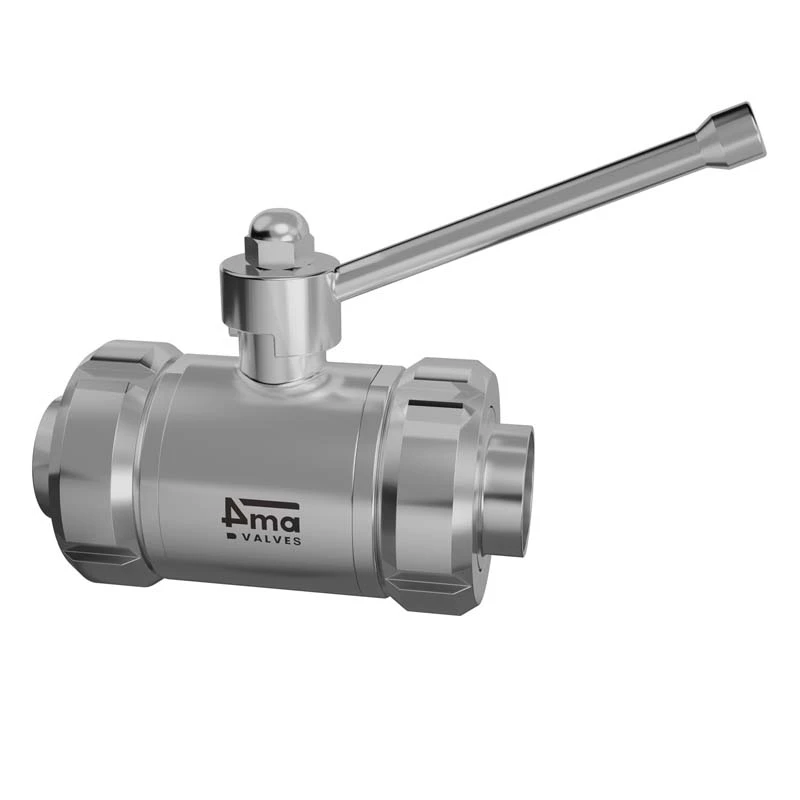
In highly regulated industries like food processing and pharmaceutical manufacturing, maintaining hygiene, precision, and process reliability is not just important — it’s mandatory. From handling sensitive fluids to ensuring zero contamination, every component in the system plays a key role. Among these, stainless steel valves stand out as critical elements that help facilities maintain safety, comply with global standards, and run efficient operations.
Why Stainless Steel Valves Are Preferred in Sensitive Environments
Unlike conventional materials, stainless steel offers a non-reactive, corrosion-resistant surface, making it ideal for systems that handle edible products, chemicals, or sterile media. In food and pharmaceutical industries, valves often come into direct contact with products, cleaning agents, and steam during sterilization. Stainless steel’s ability to resist rust, pitting, and chemical reactions ensures product purity and prevents cross-contamination.
Another major advantage is temperature tolerance. Stainless steel valves can handle both high-temperature sterilization cycles and chilled processing environments without compromising structural integrity. This versatility makes them suitable for diverse applications, from pasteurization units to sterile water systems.
Compliance with Global Hygiene and Safety Standards
Food and pharmaceutical sectors follow strict regulations such as FDA, GMP (Good Manufacturing Practice), 3-A Sanitary Standards, and EHEDG guidelines. These standards demand equipment that is easy to clean, resistant to microbial growth, and made from approved materials.
Stainless steel valves meet these criteria through:
- Smooth internal finishes that prevent residue buildup.
- Crevice-free designs that reduce bacterial contamination.
- Compatibility with CIP (Clean-In-Place) and SIP (Sterilize-In-Place) systems for automated cleaning.
These features help manufacturers maintain sanitary conditions and minimize downtime for manual cleaning.
Common Applications in Food & Pharmaceutical Processing
Stainless steel valves are widely used in:
- Mixing and blending units – for controlling the flow of ingredients and additives.
- Filling and bottling lines – ensuring precise shut-off to avoid leaks or contamination.
- Steam and water lines – handling sterilization and temperature control processes.
- CIP/SIP systems – supporting automated cleaning of equipment without disassembly.
- Reactor and bioprocessing systems – maintaining sterile conditions during critical production stages.
Their adaptability to different pressure and flow conditions makes them suitable for everything from dairy plants and beverage bottling to pharma cleanrooms and sterile production facilities.
Long-Term Cost Benefits and Reliability
While stainless steel valves may have a higher upfront cost compared to plastic or brass options, they offer excellent long-term value. Their resistance to wear, corrosion, and thermal stress significantly extends their service life. This reduces the frequency of replacements and minimizes production disruptions — a critical factor in continuous-process industries like pharmaceuticals.
Additionally, stainless steel valves require less maintenance, which translates into lower operational costs over time. When properly installed and maintained, they can deliver years of consistent, leak-free performance.
Importance of Selecting a Reliable Manufacturer
Choosing the right product is only half the job; selecting the right partner is equally important. A trusted stainless steel valve manufacturer in India ensures that the valves comply with international hygiene standards, undergo strict quality testing, and are designed to perform reliably in demanding industrial environments.
Look for manufacturers who provide:
- Certified hygienic designs.
- Traceable materials and documentation.
- Technical support for selecting the right valve for each application.
- Customization options for special process requirements.
Partnering with a credible supplier not only ensures quality but also helps maintain compliance and operational efficiency.
Conclusion
The role of stainless steel valves in food and pharmaceutical industries goes far beyond basic flow control. They are integral to maintaining hygiene, ensuring product safety, supporting regulatory compliance, and optimizing plant performance.
With their excellent durability, easy maintenance, and sanitary design, stainless steel valves continue to be the preferred choice for critical processing systems. By working with an experienced stainless steel valve manufacturer in India, facilities can ensure reliable performance, long service life, and peace of mind in their daily operations.
Tags : .....