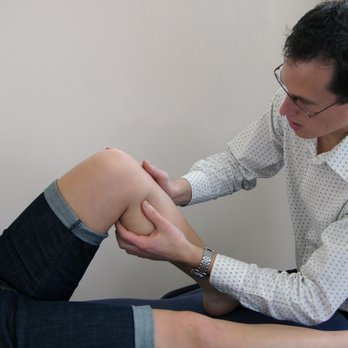
Ask most people what a podiatrist actually does and you'll probably get something vague about feet, maybe nails, maybe corns. Fair enough, it's not exactly a profession that gets much airtime. But the actual role is a fair bit broader than that, and it shifts depending on who they're seeing and why. A podiatrist working with a toddler learning to walk is doing something quite different from one managing an athlete's recurring ankle pain, even though both fall squarely under the same job title.
Not just reactive care
There's a tendency to think of podiatry purely in terms of fixing something that already hurts. And a lot of it is that, someone comes in with heel pain or a stubborn ingrown toenail, gets assessed, gets treated. But a genuine part of the role sits earlier than that, in prevention and monitoring, particularly for people with conditions that put their feet at higher risk without any pain being involved at all.
Diabetes is the clearest example here. Because it can dull sensation and affect circulation, small problems can develop without being noticed until they're bigger ones. A podiatrist's role in this context isn't really about treating pain, it's about catching changes early, before they turn into something more serious.
A different role for growing feet
Kids' feet get a slightly different kind of attention. A child's foot is still developing well into their teenage years, which means a lot of what looks unusual, toe walking, in-toeing, complaints about leg pain during growth spurts, is often just part of that process rather than a problem needing treatment.
The podiatrist's job here is largely about telling the difference. Working out what's typical and will likely resolve on its own, versus what's worth monitoring or addressing before it becomes more established. Getting that distinction right early tends to leave more options open than waiting to see what happens over a few more years.
Supporting people who are active
For anyone playing sport or training regularly, a podiatrist's role often shifts toward performance and injury prevention rather than just treating something that's already gone wrong. Recurring niggles that show up every time training ramps up usually aren't random, they're the body telling you something about how load is being handled through the foot and ankle.
Here, the role involves actually watching how someone moves, assessing footwear and training patterns, and working out what's contributing before it turns into a proper injury that sidelines someone for weeks.
Managing conditions that don't have a clear finish line
Not every foot issue resolves with a single course of treatment. Some conditions need ongoing management rather than a one-off fix, and this is where a podiatrist's role looks more like a long-term relationship than a single appointment. Diabetes-related care fits here again, as do certain biomechanical issues managed with orthotics or footwear adjustments over time.
This part of the role tends to get less attention than the "fixing a problem" side, but it's arguably just as important, particularly for people whose foot health is genuinely tied to a broader health condition.
Working within a bigger healthcare picture
Podiatrists rarely work in complete isolation. Depending on what's going on, they might liaise with GPs, physiotherapists or other specialists, especially for more complex cases or where a condition needs coordinated care across different areas. This collaborative part of the role isn't always visible to the patient, but it's a genuine part of how podiatry functions within the broader healthcare system, rather than sitting off to the side of it.
Translating findings into something useful
A meaningful part of the role, and one that's easy to overlook, is simply explaining things properly. A diagnosis on its own doesn't help much if the person walking out the door doesn't understand what it means or why a particular treatment's being suggested. Part of a podiatrist's job is making sure that translation actually happens, in language that makes sense, not just clinical terminology handed over without context.
Bringing it together
So what's the role of a podiatrist, really? It's assessment and treatment, sure, but it's also prevention, ongoing management, supporting people through sport and activity, working with kids as their feet develop, and coordinating with other health professionals when a situation calls for it. It shifts depending on who's in front of them, which is part of why it's hard to sum up in a single sentence.
Foot Focus Podiatry, based in Wilson, has been providing podiatry care in Perth since 2000, with a team covering general podiatry, children's podiatry, diabetes-related foot care, orthotics, manual therapies and both minor and surgical procedures where needed. The approach generally starts with understanding the specific person and situation in front of them, rather than applying the same process regardless of who walks in.
If you've been unsure whether your situation, or your child's, or a condition you're managing, actually falls under what a podiatrist in Perth deals with, the honest answer is that it probably does, and it's worth having the conversation rather than guessing.