The Role of a Neuropsychiatrist: Bridging Neuroscience and Mental Health
By Jawad Rehman 18-11-2025 67
Introduction
In an evolving healthcare landscape driven by scientific advances and a growing understanding of the human mind, neuropsychiatry emerges as a specialized field at the intersection of neurology and psychiatry. The Role of a Neuropsychiatrist is pivotal in diagnosing, managing, and treating complex mental health issues that are linked to brain dysfunction. This discipline blends neurological perspectives with psychiatric expertise to provide targeted care for patients with conditions that traditional psychiatry or neurology may not fully address alone.
What is Neuropsychiatry?
Neuropsychiatry is a subspecialty that examines the relationship between brain disorders and emotional or behavioral symptoms. Unlike conventional psychiatry, which focuses primarily on mental health from a behavioral and emotional standpoint, neuropsychiatry incorporates a comprehensive neurological perspective, exploring how brain structure, function, and chemistry impact thoughts, emotions, and behavior.
Key Focus Areas
- Cognitive disorders and memory impairments
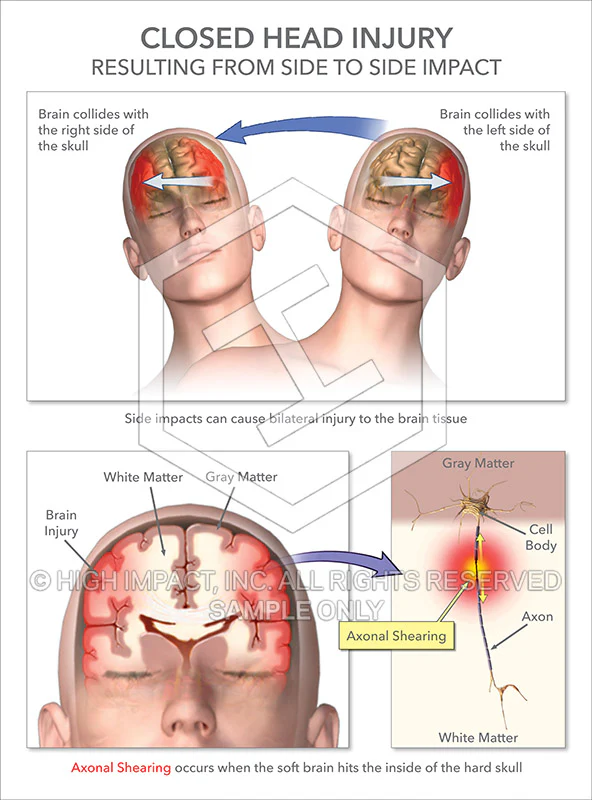
- Behavioral changes due to brain injury
- Psychiatric symptoms secondary to neurological diseases
- Disorders such as ADHD, autism, and Tourette’s syndrome
The Role of a Neuropsychiatrist
Neuropsychiatrists are uniquely qualified to understand and treat patients whose symptoms involve both neurological and psychiatric elements. Their extensive training covers both subspecialties, allowing for a more holistic and precise approach to care.
1. Diagnosis Beyond the Surface
A neuropsychiatrist uses advanced clinical assessments and diagnostic tools, such as MRI or EEG scans, to evaluate brain function in patients with complex behavioral symptoms. This dual evaluation often leads to more accurate diagnoses than conventional methods.
2. Treatment Tailored to Brain Chemistry
Care plans devised by neuropsychiatrists often include a combination of medication, behavioral therapy, cognitive rehabilitation, and lifestyle adjustments. Treatments are customized based on neurochemical profiles and the patient’s specific mental health issues.
3. Monitoring Chronic or Degenerative Conditions
Neuropsychiatrists play a critical role in managing progressive diseases such as Alzheimer’s, Parkinson’s, and multiple sclerosis. These conditions often present both neurological and psychiatric symptoms, requiring ongoing monitoring and multi-dimensional treatment strategies.
4. Supporting Rehabilitation and Recovery
Following brain injury or stroke, patients may exhibit sudden personality changes, mood instability, or cognitive deficits. Neuropsychiatrists are instrumental in designing and monitoring recovery programs that address both neurological recovery and emotional well-being.
Common Conditions Treated by Neuropsychiatrists
How Neuropsychiatry Bridges Gaps in Mental Healthcare
Traditional psychiatric therapies may fail to consider underlying neurological causes. Neuropsychiatry bridges this gap by addressing the brain-body connection comprehensively. This integration ensures that both neurological and psychological dimensions are addressed simultaneously, resulting in improved outcomes and patient quality of life.
Why Neuropsychiatry Matters Today
With the global rise in conditions like dementia, brain trauma, and complex psychiatric disorders, neuropsychiatry provides a vital framework for understanding and treating patients more effectively. The specialized insight into brain-behavior relationships empowers clinicians to devise interventions that restore emotional balance, enhance cognitive function, and improve day-to-day functioning.
Conclusion
We stand at a transformative time in mental healthcare. The role of a neuropsychiatrist is more essential than ever in addressing overlapping neurological and psychiatric conditions. By offering integrated care for complex mental health issues, neuropsychiatrists play a life-altering role in patient recovery, resilience, and long-term health.
Tags : Neuropsychiatrist Mental Health