Most operational problems inside large facilities receive attention quickly.
Production delays are measured.
Workflow disruptions are reviewed.
Internal coordination issues are investigated.
But congestion at entry points often develops quietly in the background, even though it affects how smoothly the rest of the environment operates throughout the day.
In many facilities, movement friction begins before employees reach workstations, office floors, or production areas. A short delay near an entrance may seem insignificant on its own, but repeated across hundreds of people every day, those interruptions gradually influence workforce timing, operational consistency, and movement predictability.
What makes this issue difficult to recognize is that organizations often adapt to congestion instead of addressing it directly.
Why Congestion Builds Gradually Instead of Suddenly
Entry bottlenecks rarely appear as immediate failures.
More often, they develop through repeated small inefficiencies that become normalized over time.
A slightly delayed entry lane.
A queue that extends a little further each week.
Employees slowing near crowded access points during peak periods.
None of these issues appear critical individually.
Together, however, they gradually create movement instability across large facilities.
This becomes especially noticeable in environments handling:
- Morning office rush periods
- Industrial shift transitions
- Multi-tenant building traffic
- Continuous visitor movement throughout the day
In many buildings, congestion is often treated as a staffing issue when the underlying problem is actually movement design.
Operational Pressure Often Starts at the Entrance
Organizations frequently focus on improving internal workflow efficiency while overlooking how movement enters the building in the first place.
But entrances influence operational rhythm more than many facilities realize.
When movement slows at access points, the effects begin spreading outward:
- Workforce coordination becomes less predictable
- Visitor handling becomes more inconsistent
- Manual supervision increases during peak demand
- Congestion starts affecting nearby operational areas
In some office buildings, the busiest movement window occurs between 8:30 and 9:15 AM, when large groups of employees arrive within a short period of time. During these periods, even minor delays can quickly compound into longer queues and slower surrounding movement.
Facilities experiencing continuous traffic pressure usually require more than reactive coordination to maintain stable flow.
Why Open Movement Patterns Create Friction
Open or loosely managed entry environments often appear efficient when traffic volume is low.
As movement density increases, however, unpredictable flow patterns begin creating operational friction.
People gather unevenly near entrances.
Certain lanes become overloaded while others remain underused.
Manual intervention increases as movement becomes less organized.
Over time, these inconsistencies reduce processing stability during high-demand periods.
Structured movement environments help reduce this pressure by creating:
- More balanced lane distribution
- Predictable movement patterns
- Consistent processing flow
- Reduced congestion buildup during peak traffic
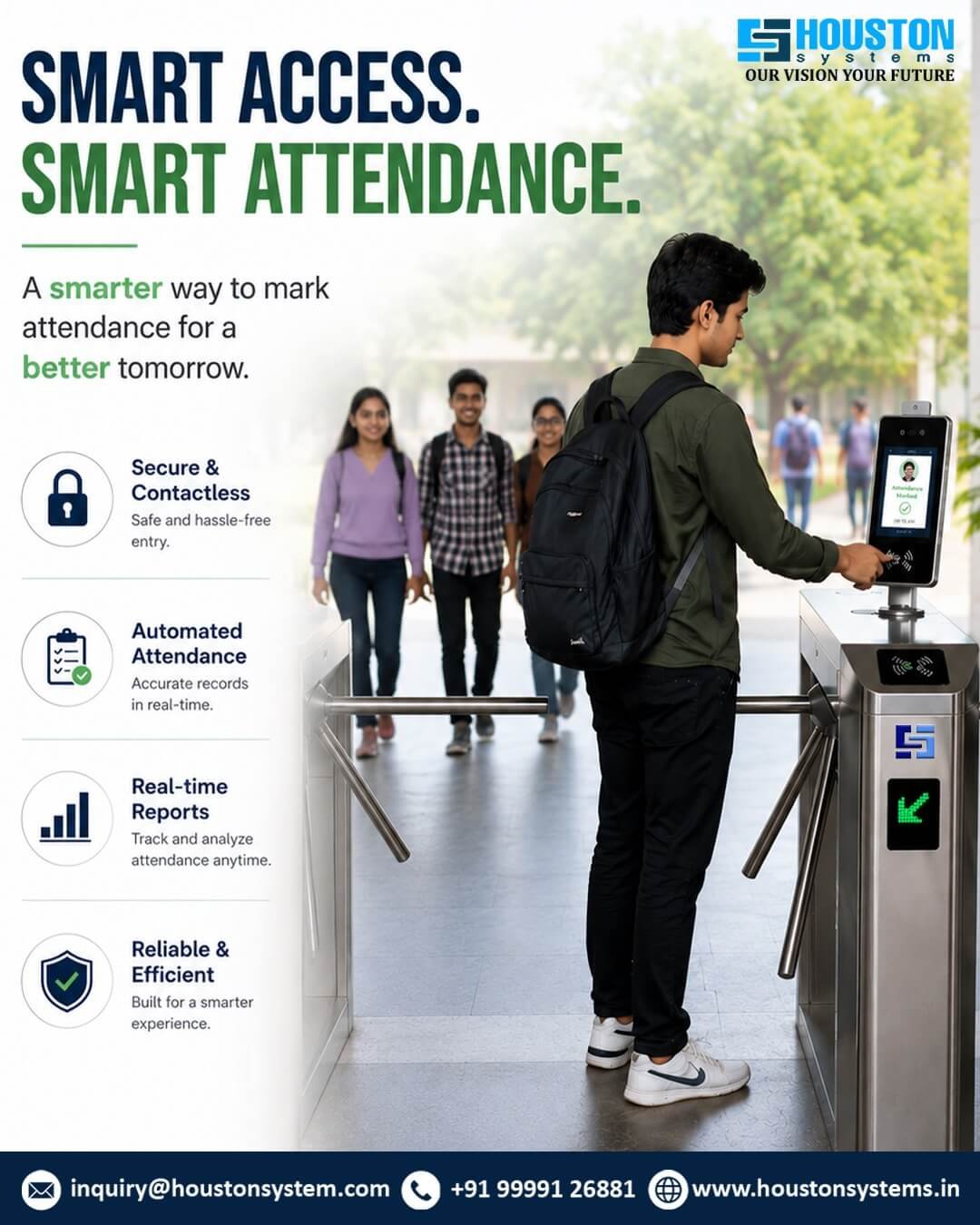
Many facilities implement controlled movement systems because they help maintain smoother operational flow without creating unnecessary interruption at entry points.
The objective is not simply stronger access discipline.
It is improving movement consistency in environments where traffic rarely stops completely.
Congestion Quietly Affects More Than Movement Speed
One of the reasons entry congestion is underestimated is because its operational impact spreads gradually across multiple areas.
Repeated delays can begin influencing:
- Employee punctuality
- Workforce coordination
- Staff workload near entrances
- Visitor experience during busy periods
- Overall operational predictability
Organizations often notice these effects separately without realizing they originate from the same underlying movement problem.
This is why facilities handling large daily traffic volumes increasingly treat movement flow as part of operational infrastructure planning rather than isolated security management.
Why Facilities Are Rethinking Entry Infrastructure
Large facilities are beginning to recognize that efficient movement requires intentional planning, not just access enforcement.
This includes:
- Designing entry layouts around traffic behavior
- Improving distribution across movement lanes
- Reducing dependence on manual coordination
- Supporting scalable flow management as facilities grow
The conversation is gradually shifting from:
“How do we control access?”
to:
“How do we maintain stable movement under continuous operational pressure?”
That difference is important.
Because facilities that improve movement flow often improve workplace consistency far beyond the entrance itself.
Final Perspective
Congested entry points rarely feel like major operational failures in the beginning.
More often, they appear as small daily slowdowns that organizations gradually learn to tolerate over time.
But repeated movement friction eventually influences how consistently workplaces operate, especially in environments managing continuous traffic throughout the day.
Facilities that improve movement flow at entry points frequently improve more than access management alone.
They create environments that operate with greater stability, predictability, and operational efficiency under pressure.