Money is changing its direction. People no longer invest only for returns. They also care about impact. By 2030, this shift will grow stronger.
Companies will face more pressure to act in a fair and safe way. Investors will ask deeper questions. Simple profit reports will not be enough.
This is where ESG will shape the next phase of investing.
What ESG Investing Means Today
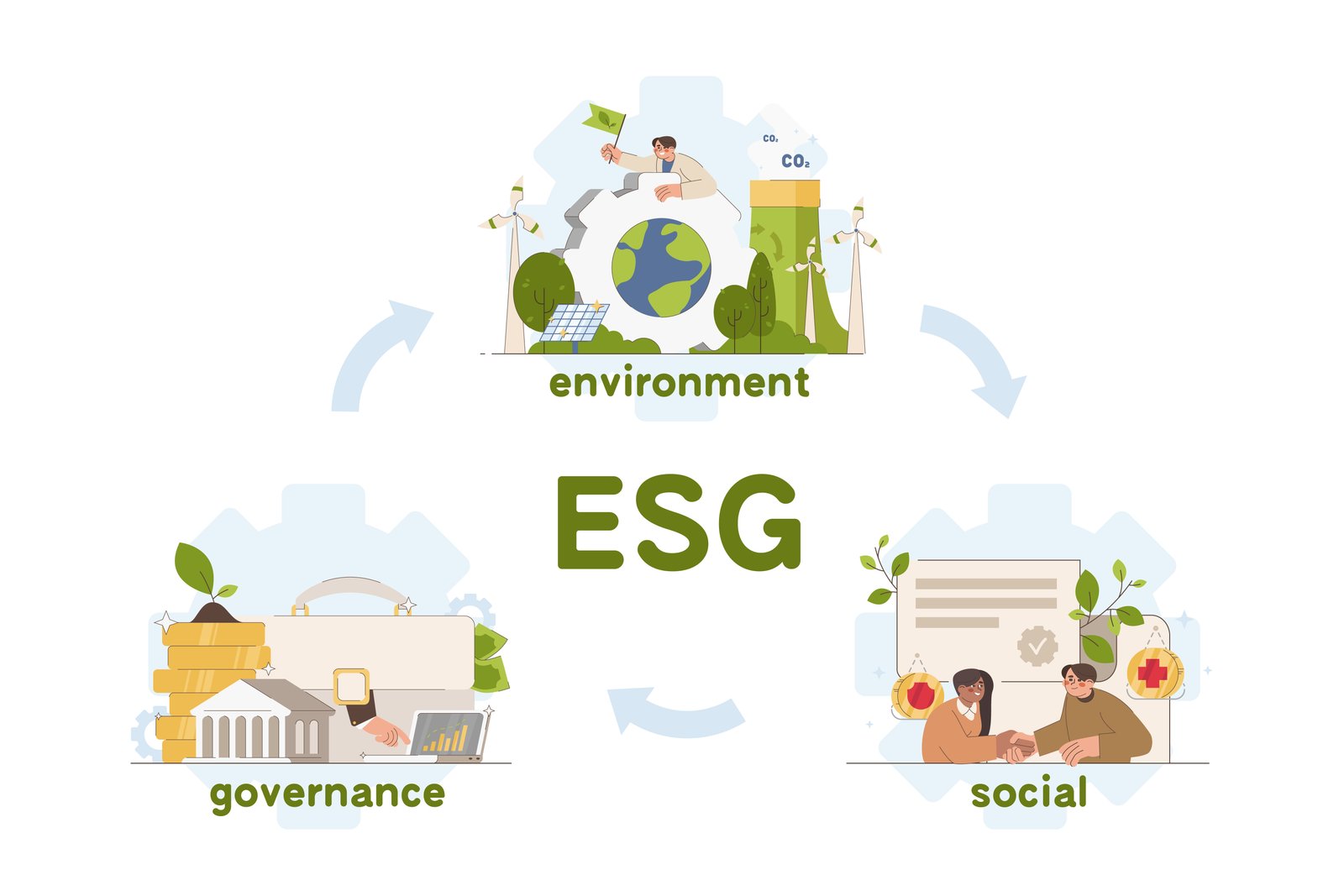
ESG Investing looks at how a company treats the planet, people, and its own rules. It adds a new layer to decision-making.
Investors now check:
- Carbon output
- Work culture
- Board practices
This approach helps spot risks early and find better long-term value.
Why ESG Will Grow by 2030
The next few years will bring big changes.
1. Climate Pressure Will Rise
Extreme weather is already affecting business. Floods, heat, and storms disrupt supply chains.
Companies will need strong Climate Risk Management plans. Without them, losses may increase.
Investors will avoid firms that ignore these risks.
2. Rules Will Become Stricter
Governments are adding more rules on emissions and reporting.
Companies will need to:
- Share clear ESG data
- Set climate targets
- Show real progress
Firms that fail to comply may face fines or lose investor trust.
3. Investor Demand Will Increase
Young investors care more about impact. They want their money to support clean and fair businesses.
This demand will push funds to include more ESG-focused options.
4. Data Will Become More Clear
Right now, ESG data can be mixed. By 2030, reporting will become more standard.
This will help investors compare companies with ease.
Better data leads to better decisions.
Role of Technology in ESG
Technology will play a key role in shaping ESG.
Companies will use tools to:
- Track emissions in real time
- Monitor supply chains
- Measure social impact
AI tools will help sort large data sets. This will make ESG reports faster and more accurate.
Global Push from Sustainability Events
Events like a Sustainability Summit bring leaders, investors, and policymakers together.
These events help:
- Set common goals
- Share best practices
- Push for stronger rules
By 2030, such events will have more impact on global ESG standards.
Real-Life Case Studies
Case Study 1: Electric Vehicle Company Growth
An electric vehicle firm focused on clean transport. It reduced reliance on fossil fuels and improved battery tech.
Steps taken:
- Invested in clean energy
- Built strong supply chains
- Shared clear ESG data
Results:
- High investor interest
- Strong market growth
- Lower climate risk
This shows how ESG focus can drive long-term success.
Case Study 2: Food Company Shifting to Sustainable Sourcing
A food company faced issues with waste and water use. Its ESG reports showed gaps.
Steps taken:
- Reduced water use
- Cut food waste
- Worked with local farmers
Results:
- Better ESG score
- Cost savings
- Improved brand trust
The company gained support from both investors and customers.
Key Trends to Watch by 2030
Shift Toward Green Energy
More firms will move to solar, wind, and other clean sources.
This will reduce risk from future carbon rules.
Rise of ESG Funds
Funds focused on ESG will grow in number and size.
They will attract both retail and large investors.
Stronger Focus on Social Impact
Companies will need to show fair pay, safe work, and community care.
Social factors will gain equal weight as environmental ones.
Governance Will Get More Attention
Clear leadership and ethical actions will matter more.
Poor governance can harm even a strong company.
Benefits for Investors
- Better risk control
- Long-term value
- Support for ethical firms
Investors can align their goals with their values while still seeking returns.
Challenges Ahead
- Lack of full data in some regions
- Risk of false claims by companies
- Changing rules across countries
Investors must stay alert and review data carefully.
Conclusion
By 2030, ESG investing will not be optional. It will be a core part of decision-making.
Companies that act early will gain trust and stability. Those that ignore ESG may face higher risks.
For investors, this approach offers a way to manage risk and support better business at the same time.
FAQs
1. What is ESG investing?
It is a way of investing that checks how a company handles the environment, people, and its own rules.
2. Why will ESG investing grow by 2030?
Climate risks, new rules, and investor demand will push its growth.
3. Is ESG investing safe for beginners?
Yes. Many funds offer simple ways to start with low risk and clear goals.
4. How does climate risk affect investments?
Events like floods or new laws can impact profits. Managing this risk helps protect money.
5. What should investors check in ESG investments?
They should review carbon data, social impact, and company policies before investing.
Tags : ESG Investing ESG ESG Reporting