The First Crunch Factor: How Custom Popcorn Boxes Engineer Taste Expectations
By Travis Head 11-02-2026 126
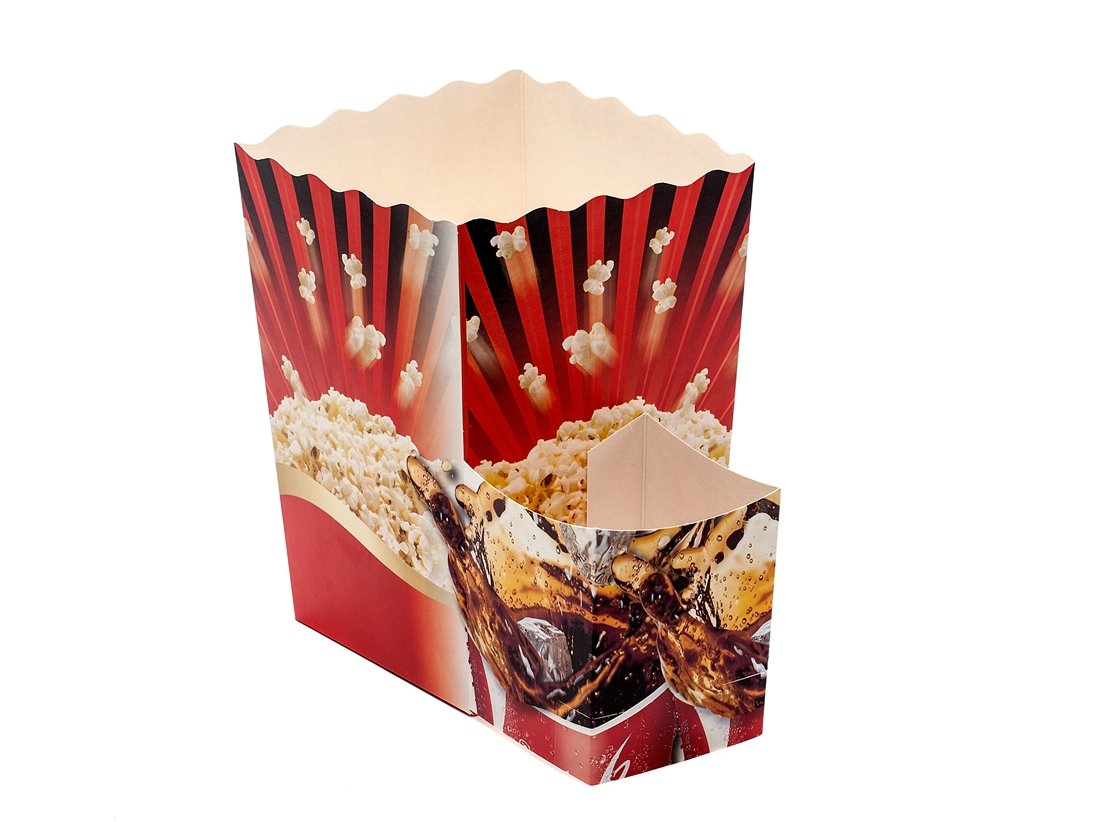
Popcorn is more than a snack; it is an experience. From the moment a consumer picks up a popcorn box, their brain starts predicting taste, texture, and enjoyment. The design of the box can significantly influence this expectation. This article explores how packaging, particularly custom popcorn boxes, can shape how we perceive taste before the first bite.
Visual Appeal Shapes Flavor Perception
The way a popcorn box looks can directly impact how people imagine the flavor inside. Bright colors, attractive patterns, and playful designs make the popcorn seem fresher and tastier. Studies show that packaging with vibrant colors encourages the brain to anticipate a stronger flavor.
A well-designed box does more than look nice; it sets a mental stage. For instance, red and yellow tones often signal buttery or savory flavors. Blue or green can indicate lighter or natural flavors, making consumers feel healthier choices are inside.
Shape also matters. Boxes with unique forms—tall, curved, or square—can make popcorn appear more premium. The height or width of a box can suggest quantity, which affects how filling or indulgent people believe the snack will be. Even subtle patterns like stripes or polka dots guide expectations.
Moreover, humans tend to associate quality with cleanliness and neatness. A box with sharp edges, precise folds, and smooth surfaces suggests well-made, fresh popcorn. In contrast, wrinkled or generic boxes can reduce excitement.
Finally, the combination of color, shape, and design influences both emotional and sensory expectations. Before tasting, consumers are already forming an idea of crunchiness, saltiness, or sweetness. This early anticipation is crucial, because the mind often convinces the palate that the flavor will match the expectation.
Texture of Packaging Influences Crunch Anticipation
Packaging material impacts how people predict texture. A soft, flimsy box can make popcorn seem stale or less crisp. On the other hand, rigid and slightly glossy boxes suggest freshness and a satisfying crunch.
Consumers interact with packaging through touch before tasting. Smooth, coated surfaces often imply buttery or sweet popcorn. Matte or rough textures might make the snack feel artisanal or natural. This sensory input prepares the brain for what to expect in terms of taste and mouthfeel.
Weight also plays a role. Heavier boxes suggest a denser, more substantial snack. Lighter boxes can make popcorn feel airy and delicate. The sound of the box opening, too, adds to anticipation. A slight crackle or snap can signal that the popcorn inside is crisp and fresh.
Brands increasingly pay attention to these details because subtle cues influence perceived quality. A box that feels premium encourages consumers to anticipate a richer flavor. Conversely, neglecting texture can lead to disappointment, even if the popcorn tastes good.
Touch, sound, and rigidity combine to form the first sensory impression. This first impression primes the consumer, making them more likely to enjoy the snack. Thus, packaging texture is as important as the popcorn itself in shaping taste expectations.
Color Psychology and Flavor Expectation
Colors are powerful tools in packaging design. People associate specific colors with particular tastes and sensations. Warm colors like red, orange, and yellow tend to suggest bold, savory, or sweet flavors. Cool colors like blue and green imply milder or natural flavors.
Designers use these associations to guide taste expectations. For example, a bright red box may make consumers expect extra butter or caramel. Subtle earth tones might hint at organic or lightly salted popcorn.
Color contrast is also effective. Bold contrasts between colors can make the snack feel more exciting, while muted tones may appeal to a calm, gourmet audience. Colors can even influence the perceived sweetness or saltiness.
Packaging isn’t just about attraction; it communicates a promise. Consistent color cues across flavors help customers quickly recognize the taste profile. Repeated exposure to familiar colors builds trust and reduces hesitation when selecting a snack.
Colors also affect emotions. Warm colors energize and stimulate appetite, increasing the anticipation of taste. Cool colors create relaxation, suggesting a subtle, enjoyable eating experience. This emotional response merges with the sensory expectation, enhancing the overall snack experience.
Typography and Branding Affect Taste Perception
Typography isn’t just about readability; it can shape how flavor is perceived. Bold, large fonts suggest strong, robust flavors. Script or delicate fonts signal sweetness or lightness.
The placement of text guides attention. Flavor names positioned at the top draw focus, making consumers anticipate taste immediately. Descriptive words like “buttery,” “crunchy,” or “caramel” reinforce expectations, preparing the palate before a bite.
Brand logos also contribute to trust and perceived quality. Familiar branding on the box makes people expect consistent taste and freshness. New brands can use creative typography to suggest novelty or premium quality.
Typography combined with imagery enhances flavor perception. A playful font paired with vibrant illustrations can indicate fun, casual snacking. Elegant fonts with muted colors often communicate gourmet or sophisticated flavors.
Even small details, such as font spacing, weight, and color, can subtly affect anticipation. A well-chosen typeface primes consumers to expect a particular flavor profile, proving that design communicates taste as effectively as ingredients.
Shape and Size Guide Portion Expectation
The physical shape and size of a popcorn box influence how people perceive serving quantity. Tall, narrow boxes give the impression of a light, fluffy snack, while wide boxes suggest abundance and indulgence.
Portion expectation affects taste perception. A larger portion primes consumers to anticipate more intense flavors. A smaller box may suggest a lighter snack, influencing how the brain interprets saltiness, sweetness, or butter content.
Shape also impacts ease of eating. Open-top boxes allow popcorn to be reached quickly, enhancing sensory satisfaction. Box dimensions can affect how the snack settles inside, influencing the crunch of each bite.
Some innovative designs use tiered or layered boxes to separate flavors or toppings. This encourages consumers to taste multiple textures and flavors, enhancing the perception of variety and freshness.
In cinema or event settings, box size conveys value. A substantial box implies a generous portion, making taste expectations feel more rewarding. Conversely, compact designs can create a perception of gourmet, high-quality popcorn, even with smaller servings.
Interactive Design Enhances Engagement
Interactive packaging design can improve the anticipation of taste. Features like pull tabs, foldable tops, or resealable lids engage users physically, connecting them to the snack experience.
Interactive boxes make consumers feel more in control. Being able to open, close, or hold the box comfortably increases satisfaction before tasting. This tactile interaction signals freshness and crunch.
Some brands integrate games, puzzles, or trivia on boxes, creating mental stimulation alongside snack enjoyment. The engagement distracts from ordinary packaging, making the popcorn feel more fun and flavorful.
The anticipation created by interactive elements strengthens flavor expectation. People often report that snacks in engaging packaging taste better, even if the recipe is identical.
Overall, interactive design turns passive snacking into an immersive experience. This subtle psychological effect can elevate a simple snack into an anticipated event, influencing how consumers perceive taste and texture.
Material Sustainability Influences Flavor Perception
Consumers increasingly associate eco-friendly packaging with higher-quality or natural flavors. Recyclable or compostable boxes suggest that the popcorn inside is healthier or more carefully produced.
Sustainable materials also affect tactile perception. Thicker, textured cardboard often feels premium and supports the impression of crunchy, fresh popcorn. Conversely, thin, glossy plastics can suggest mass production and lower quality.
Packaging materials impact sound as well. A crisp, sturdy box produces a satisfying rustle when opened, signaling freshness. Flimsy packaging may cause skepticism about taste and texture.
Sustainability conveys a brand story. People tend to expect thoughtful production and ingredients from brands that prioritize eco-conscious design. This expectation merges with the sensory experience, reinforcing taste anticipation even before the first bite.
Custom Printed Popcorn Boxes and Brand Identity
Custom printed popcorn boxes allow brands to communicate identity and flavor expectations effectively. The artwork, colors, and textures all tell a story, which the consumer interprets as part of the taste experience.
Using custom printing, brands can differentiate flavors through distinct designs while maintaining consistent quality signals. Consumers then associate specific designs with expected crunchiness, sweetness, or butteriness.
A visually appealing custom box also builds loyalty. Regular customers begin to anticipate the exact flavor profile based on the packaging, reinforcing positive taste perception.
In addition, custom printed boxes create a sense of novelty. Limited edition designs or seasonal themes enhance excitement, making popcorn feel like more than just a snack. The psychological impact of seeing a well-crafted box increases enjoyment and reinforces brand value.
Finally, custom packaging provides measurable marketing benefits. A memorable box encourages repeat purchases, while simultaneously setting taste expectations in alignment with brand promises. This synergy of design, expectation, and flavor perception highlights the first crunch factor in action.
Conclusion: Packaging as a Taste Engineer
Popcorn boxes do more than hold a snack—they engineer the first impression of taste. From color, shape, and texture to typography, interaction, and sustainability, every detail guides expectation.
Well-designed packaging primes the brain for crunch, flavor, and enjoyment. Custom printed popcorn boxes, in particular, combine visual, tactile, and emotional cues to elevate perception. They turn ordinary popcorn into a memorable experience.
In essence, the first crunch starts before the popcorn reaches the mouth. Strategic packaging ensures that anticipation matches reality, creating lasting satisfaction with every bite.
Visit Our Website: https://ibexpackaging.com/custom-popcorn-boxes/