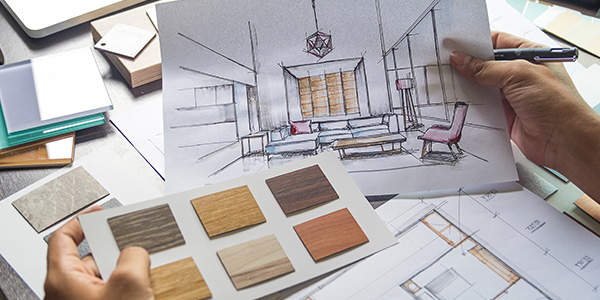
Home renovation can feel exciting at the start. You imagine a fresh kitchen, better storage, brighter rooms, and a home that feels finished. But once planning begins, it becomes clear that renovation is not only about choosing colours and tiles. It involves budgeting, approvals, timelines, and many small decisions that affect the final result. A clear plan helps you avoid stress, reduce delays, and control costs. Whether you are updating a house or starting an apartment renovation in Sydney, homeowners consider that the planning process is what makes the renovation successful.
This article mentions the full renovation planning process, including budgeting, scope setting, approvals, hiring the right team, creating timelines, and avoiding common renovation mistakes.
1) Define Your Renovation Goals
Before you contact builders or visit showrooms, be clear about why you are renovating. This helps you make better decisions and prevents unnecessary spending.
Ask yourself:
● What problem am I trying to solve?
● What areas of the home need improvement most?
● Do I want better function, better comfort, or higher property value?
Write down your top goals. For example:
● Improve kitchen storage and layout
● Add an extra bathroom
● Increase natural light in living areas
When you stay focused on goals, the renovation stays organised.
2) Set a Realistic Budget
Budgeting is the most important part of renovation planning. A renovation budget should include more than materials and labour. Many projects go over budget because hidden costs were not planned.
Include these in your budget:
● Labour and materials
● Demolition and waste removal
● Design or drafting fees
● Council permits or strata approvals
● Electrical and plumbing upgrades
● Temporary accommodation
Always add a buffer of 10% to 20%. Older homes may need a higher buffer due to hidden issues like water damage, mould, or wiring problems.
3 )Decide the Scope of Work
Renovation projects become difficult when the scope keeps changing. Many homeowners start with one plan, then add extra tasks along the way. This causes delays and increases costs.
To manage scope, divide tasks into three groups:
● Must-have: Safety issues, major repairs, essential upgrades
● Should-have: Functional improvements that add value
● Nice-to-have: Cosmetic updates and luxury features
If your budget is limited, focus on must-have items first. You can always complete cosmetic upgrades later.
4) Inspect Your Home and Identify Risks
Before finalising design plans, inspect the home carefully. Some problems are hidden until renovation starts. It is better to identify them early.
Common risks include:
● Leaking pipes or water damage
● Old electrical wiring
● Termite damage
● Uneven flooring
● Cracked walls or structural movement
If needed, hire a building inspector or structural engineer. It is an extra cost, but it can prevent major surprises later.
5) Create a Practical Design Plan
A good renovation design should support daily life. It should not only look good. It should improve how the home functions.
When planning design, consider:
● How people move through rooms
● Storage needs (built-in storage is best)
● Lighting and ventilation
● Easy-to-clean surfaces
● Noise and privacy between spaces
It also helps to think long-term. For example, open shelving may look attractive but can require more cleaning. Some trends are not practical for everyday use.
6) Understand Approvals and Legal Requirements
Approvals can affect your renovation timeline. Many people underestimate how long approvals take for apartments.
You may need:
● Council approval for structural changes
● Building permits for major works
● Waterproofing compliance for bathrooms
● Strata approval for apartment renovations
If you are planning an apartment renovation Sydney project, strata rules are important. Strata may limit work hours, control waste removal, and require approved contractors for certain jobs. Not following strata requirements can lead to fines or project delays.
7) Choose the Right Renovation Team
Your builder and tradespeople play a major role in the renovation outcome. Hiring the right team reduces mistakes and improves work quality.
When choosing professionals:
● Check licencing and insurance
● Review previous work and customer feedback
● Request clear written quotes
● Confirm timelines and availability
● Ask who will supervise the project daily
Always use a written contract. It should include:
● Scope of work
● Project schedule
● Payment stages
● Material responsibilities
● Warranty details
Clear contracts reduce misunderstandings and protect both sides.
8) Build a Realistic Timeline
Renovation timelines depend on the project size, material availability, and labour scheduling. Even with good planning, delays can happen.
Your timeline should include:
● Planning and design stage
● Approvals and permits
● Ordering materials
● Demolition and construction
● Final finishing and clean-up
To avoid delays, order key items early, such as:
● Tiles
● Cabinetry
● Appliances
● Bathroom fixtures
If you wait too long, backorders can pause your project.
9) Plan Materials and Finishes Early
Many renovation delays happen because materials were not selected early enough. During construction, you may be asked to make quick decisions about fixtures and finishes. Rushed decisions can lead to poor results.
Create a simple checklist for:
● Flooring
● Paint colours
● Lighting types
● Tapware and sinks
● Cabinet handles
● Tiles and grout colours
If possible, keep all selections in one document or spreadsheet. This makes the process easier for you and your builder.
- Conclusion
Home renovation becomes easier when you plan properly. A clear budget, defined scope, correct approvals, and the right team can prevent many common renovation problems. Planning also helps you make better design decisions and avoid rushed choices. Whether you are renovating a family home or completing an apartment renovation in Sydney upgrade, taking time to plan carefully will save money, reduce stress, and improve the final result.
Tags : .....