Introduction
Colorbond fencing continues to be one of the most popular boundary solutions across Australia in 2026. Known for its clean appearance, durability, and low maintenance, it suits both residential and commercial properties. However, understanding the true cost of Colorbond fencing involves more than just the price of panels. This guide breaks down everything you need to know about Colorbond fencing costs, helping you plan your budget with confidence.
Section 1: Understanding Colorbond Fencing Costs
1.1 What is Colorbond Fencing?
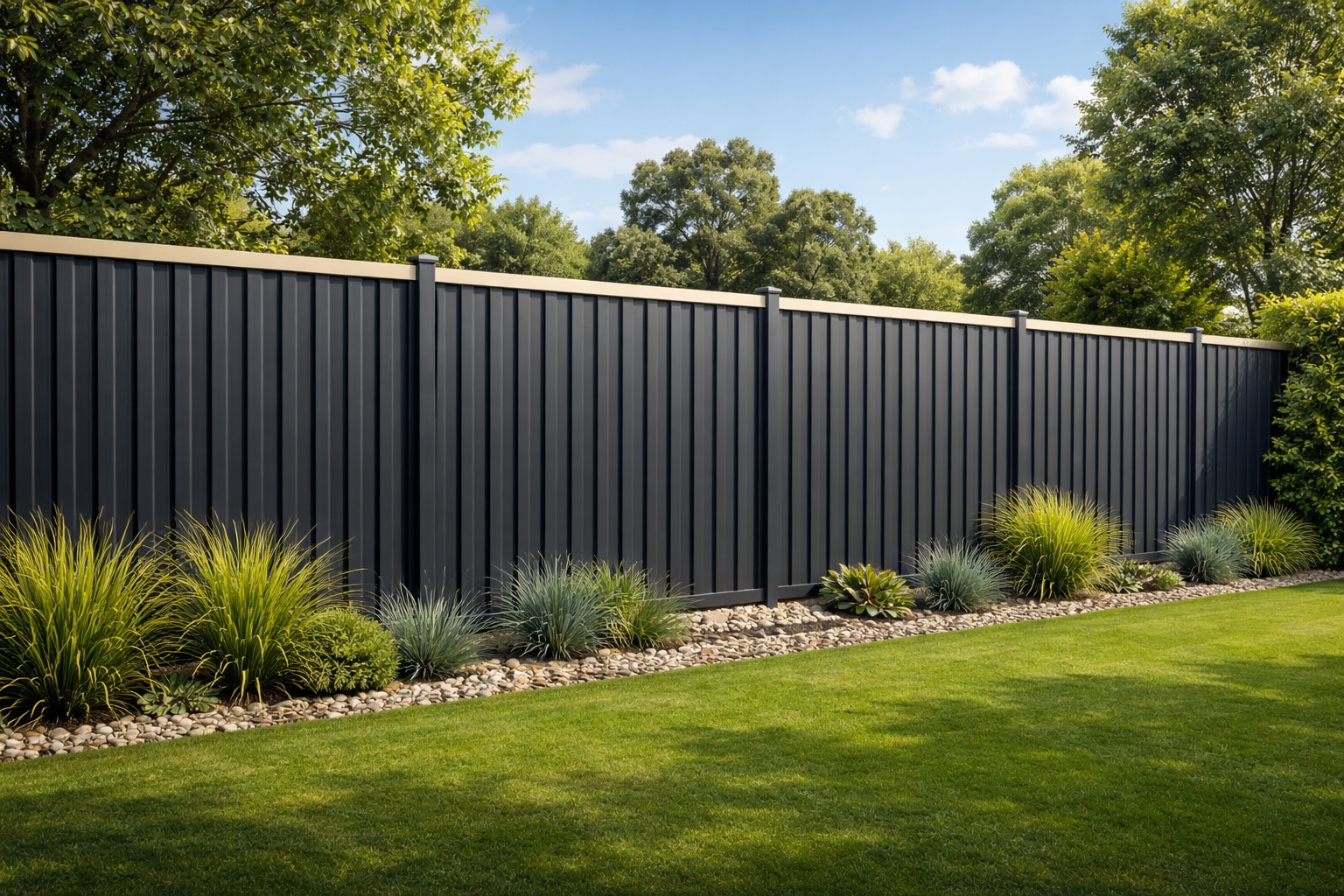
Colorbond fencing is made from pre-painted, galvanised steel manufactured to withstand harsh Australian weather conditions. It is designed to be strong, visually appealing, and long-lasting.
Key Features and Benefits:
- Corrosion-resistant steel
- UV-stable, fade-resistant colours
- Fire-resistant material
- Modern and uniform appearance
- Long lifespan compared to timber fencing
Popular Applications in 2026:
- Residential boundary fencing
- Side and rear property fencing
- Commercial and industrial properties
- Pool and privacy fencing
- New housing developments
1.2 Factors Affecting Colorbond Fencing Costs
Several variables influence the final cost of a Colorbond fencing project.
Size and Style of Panels Required:
Fence height, total length, and panel style (standard, slat-top, lattice, or custom designs) significantly affect pricing. Taller fences and decorative finishes cost more due to additional materials and labour.
Additional Materials and Fixings:
- Steel posts
- Concrete footings
- Rails and capping
- Gates and gate hardware
- Slat toppers or extensions
- Custom colours or premium finishes may also increase material costs.
1.3 Estimating Colorbond Fencing Costs
Understanding cost breakdowns helps avoid surprises.
Materials Cost:
Material pricing depends on fence height, colour selection, and quality of steel. Premium colours and thicker steel panels typically cost more but offer better longevity.
Labour Cost:
- Labour costs vary based on:
- Ground conditions
- Fence length and complexity
- Removal of old fencing
- Installation time and access challenges
- Professional installation ensures correct alignment, durability, and compliance with local regulations.
Section 2: Average Cost Range for Colorbond Fencing in 2026
2.1 Average Cost Range for Colorbond Fencing Panels
In 2026, Colorbond fencing typically falls within a mid-to-high price range compared to other fencing materials. While upfront costs may be higher than timber, long-term savings often offset the initial investment due to minimal maintenance and longer lifespan.
2.2 Considering Location and Access Factors in Pricing
Geographical Location:
Prices vary depending on city, region, and availability of installers. Urban areas may have higher labour costs, while remote locations can incur transport and delivery charges.
Site Accessibility:
Limited access, sloped land, rocky soil, or narrow spaces can increase installation time and equipment requirements, raising overall costs.
2.3 Evaluating Long-Term Value Despite Initial Costs
Although Colorbond fencing may cost more initially, it offers excellent long-term value. There’s no need for painting, staining, or frequent repairs, making it a cost-effective solution over time.
Section 3: Advantages and Disadvantages of Choosing Colorbond Fencing
3.1 Advantages of Colorbond Fencing
Durability and Lifespan Expectancy
Colorbond fencing is built to last for decades, resisting rust, termites, and weather damage.
Low Maintenance Requirements
Unlike timber, Colorbond fencing doesn’t warp, rot, or require regular upkeep—just an occasional wash.
Wide Range of Colours and Styles Available
With a broad colour palette and modern design options, Colorbond fencing easily complements contemporary and traditional homes alike.
3.2 Potential Drawbacks of Colorbond Fencing
Disadvantages of Colorbond Fencing:
- Higher upfront cost compared to basic timber fencing
- Can dent under strong impact
- Limited sound reduction compared to masonry walls
- Professional installation is recommended, adding to labour costs
Conclusion
Colorbond fencing remains a smart investment in 2026 for property owners seeking durability, style, and long-term value. While costs vary based on materials, location, and installation complexity, understanding these factors helps you budget accurately. By weighing initial costs against longevity and minimal maintenance, Colorbond fencing continues to stand out as a reliable and attractive fencing solution.