Getting into a car accident is stressful for anyone. But when it involves a Tesla, the situation comes with an added layer of pressure — because not every repair shop knows how to handle it correctly.
Whether it's a minor fender bender or a more serious collision, what you do in the first few hours can make a real difference in your safety, your insurance claim, and the long-term condition of your vehicle.
Stay Safe First — Everything Else Can Wait
Before anything else, make sure you and everyone involved are physically okay.
- Move to a safe location if you can do so without causing further harm
- Turn on your hazard lights immediately
- Call 911 if there are injuries, even if they seem minor at first
- Do not move anyone who may have a spinal or neck injury
Once you know everyone is safe, you can focus on the next steps.
Document the Scene Thoroughly
Tesla vehicles are equipped with dashcam footage and Sentry Mode recordings. This is actually one of your biggest advantages after an accident.
Here's what to document on your own as well:
- Take clear photos of all vehicles involved, including damage angles, license plates, and the surrounding area
- Screenshot or save your Tesla's dashcam footage before it gets overwritten
- Note the exact time, location, and weather conditions
- Get the other driver's name, contact details, and insurance information
- Collect contact information from any witnesses nearby
This documentation protects you during the claims process and helps establish a clear picture of what happened.
Report It — To the Right People
Once you're safe and the scene is documented, you need to make two important calls:
1. Your insurance company — Report the accident as soon as possible. Delays can complicate your claim.
2. Tesla's support line — Tesla recommends notifying them directly after a collision. They can help you understand what damage may have occurred to the high-voltage battery, airbag systems, or autonomous driving hardware — things that aren't visible to the naked eye.
Do not assume your Tesla is fine just because it looks okay on the outside. These vehicles have complex electrical architecture, and hidden damage can be a real safety risk.
Why Your Choice of Repair Shop Matters More Than You Think
This is where many Tesla owners make a costly mistake — they hand their car over to a general collision center without realizing the risks.
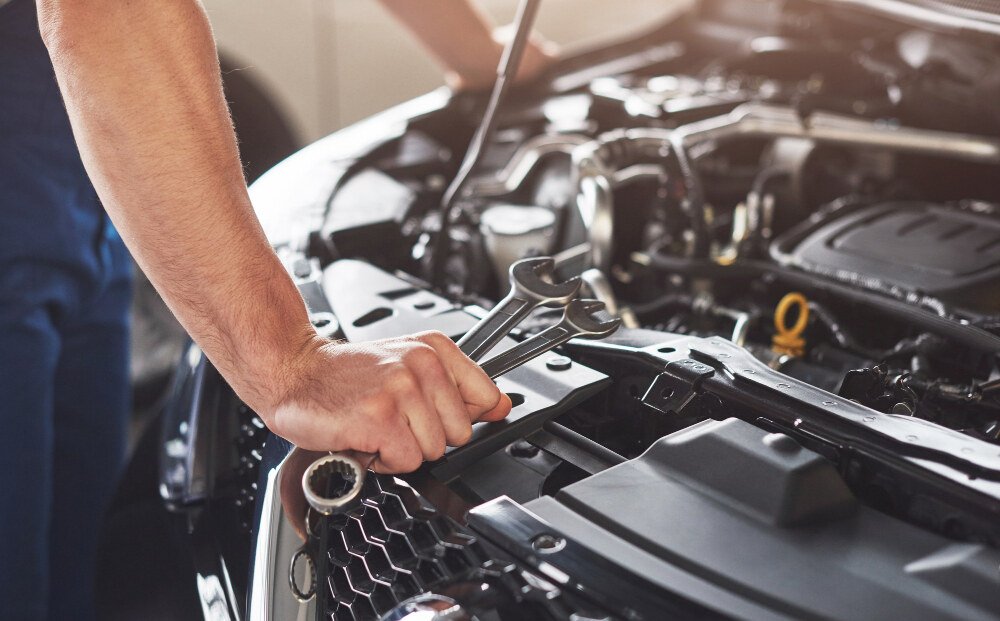
Tesla vehicles use aluminum structures, proprietary high-voltage battery systems, and advanced driver-assistance technology. Repairing them requires specialized training, tools, and original parts that most shops simply don't have.
Choosing a Tesla-certified body shop means your vehicle is repaired by technicians who have been trained and approved directly by Tesla. They follow Tesla's repair procedures, use genuine parts, and have the diagnostic equipment to restore your car to its pre-accident condition—including its safety systems.
A Tesla-approved body shop or Tesla-authorized body shop ensures the following:
- Proper structural repairs using Tesla's guidelines
- Correct calibration of cameras and sensors after bodywork
- No voided warranties due to improper repair methods
- Peace of mind that your vehicle's safety systems actually work the way they should
At Spectrum Auto Inc., the focus is on doing things the right way—not the fast way. When a Tesla comes in after a collision, the goal isn't just to make it look good. It's to make sure it's genuinely safe to drive again.
Watch for These Red Flags After a Crash
Even if your Tesla looks fine after the accident, pay attention to the following:
- Warning lights or alerts on your touchscreen
- Unusual sounds when accelerating or braking
- Any changes in how your autopilot or driver-assist features respond
- Doors or panels that don't close the way they used to
If you notice anything off, get it inspected immediately. Don't wait for the next service appointment.
A Final Word
No one plans for an accident. But knowing what to do ahead of time — and who to trust with your vehicle afterward — gives you a real advantage when it counts.
Take care of yourself first, document everything, report promptly, and make sure your Tesla ends up in the hands of professionals who actually know how to fix it properly.
Frequently Asked Questions
Q1: Can any body shop repair a Tesla after an accident?
Technically, yes — but it's not advisable. Tesla vehicles have unique structural materials, high-voltage battery systems, and advanced technology that require specialized training and tools. A Tesla-certified body shop has the proper equipment and manufacturer-approved procedures to restore your vehicle safely and correctly. Using an uncertified shop can result in improper repairs that affect both performance and safety.
Q2: Will my Tesla warranty be affected if I go to a non-Tesla-authorized body shop?
It can be. If a repair shop uses non-genuine parts or doesn't follow Tesla's approved repair procedures, certain warranty coverages related to the repaired areas or systems may be voided. To protect your warranty and ensure your vehicle is fixed to Tesla's standards, always choose a Tesla-authorized body shop for collision repairs.
Q3: How soon should I get my Tesla inspected after a collision, even if the damage looks minor?
As soon as possible—ideally within 24 to 48 hours. Tesla vehicles can sustain damage to their battery pack, structural frame, or sensor systems that isn't visible from the outside. Delaying an inspection can put you at risk and may also complicate your insurance claim. Getting a prompt professional assessment ensures nothing critical is overlooked.