A telehandler is already a versatile machine, but pairing it with the right attachments transforms it into an all-in-one solution for construction, agriculture, landscaping, and industrial tasks. When searching for a telehandler for sale, one of the key considerations is the range of attachments available. In this guide, we’ll look at the most common telehandler attachments, how they’re used, and the ways they make jobsites run more smoothly.
Why Attachments Matter for Telehandlers
A telehandler, also known as a telescopic handler, combines the lifting ability of a crane with the reach of a forklift. It can perform a wide range of lifting and material handling tasks on its own. Yet, the true value of a telehandler lies in its compatibility with attachments.
By switching out attachments, one telehandler can take on multiple roles that might otherwise require several machines. This reduces costs, saves space on-site, and increases efficiency. Whether lifting pallets, scooping loose materials, or safely working at heights, attachments provide unmatched flexibility.
Popular Telehandler Attachments
1. Pallet Forks
Pallet forks are one of the most common attachments for telehandlers. They allow operators to move palletised goods with ease, similar to a forklift. Their multi-functionality makes them ideal for construction sites, warehouses, and farms. Forks can be adjusted for width, making them suitable for a variety of load sizes.
2. Buckets
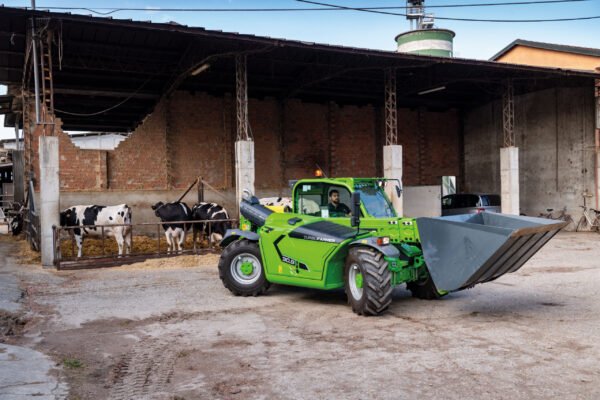
Buckets transform the telehandler into a loader, perfect for moving loose materials such as soil, gravel, sand, or agricultural produce. Buckets are essential in both construction and farming. They are mostly available in general-purpose, light-material, and high-capacity varieties.
3. Work Platforms
Work platforms, also called man baskets, turn a telehandler into an access solution for working at heights. This is especially useful for maintenance, repair, or installation tasks where scaffolding might be impractical. Safety is paramount with these attachments, as they allow workers to perform elevated tasks securely.
4. Jibs and Hooks
For sites that require lifting awkward or heavy loads, jib and hook attachments effectively convert the telehandler into a small crane. These are commonly used in construction and industrial projects where precision lifting is required.
5. Sweepers and Brushes
Attaching a sweeper or rotary brush allows the telehandler to handle site clean-up efficiently. These are ideal for construction, agricultural, and municipal applications where maintaining clean and safe surfaces is necessary.
6. Augers
Auger attachments extend the telehandler’s capabilities into drilling. These are particularly valuable in landscaping, fencing, and foundation work where holes need to be dug quickly and consistently.
7. Bale Clamps and Grabs
For agricultural use, bale clamps and grabs are indispensable. They make it much easier for operators to move hay, silage, and straw bales, cutting down on manual work and making farm tasks more efficient.
8. Concrete Skips and Hoppers
Concrete handling is made simpler with skips and hoppers designed to pour concrete in controlled amounts. They’re especially handy on construction sites for accurate, precise pours.
How Attachments Boost Job Site Efficiency
The ability to swap attachments means one telehandler can perform multiple functions without the need for extra machinery. This reduces downtime, cuts transport costs, and optimises space on the job site.
For example:
- A construction site may use pallet forks in the morning to unload materials, switch to a bucket in the afternoon for moving soil, and finish the day with a sweeper to clear debris.
- On farms, a telehandler may handle feed with a bucket, transport pallets of produce, and move bales, all in a single day.
This flexibility makes telehandlers essential for industries where adaptability and efficiency are key.
Safety Considerations When Using Attachments
While attachments increase functionality, they also introduce specific safety requirements. Operators must always ensure that attachments are correctly fitted, secured, and compatible with the telehandler model in use. Overloading or misusing an attachment can compromise stability and lead to accidents.
Key safety measures include:
- Check load charts specific to each attachment.
- Conduct regular inspections for wear and tear.
- Ensure operators are trained and certified in telehandler use.
- Follow the manufacturer's guidelines for attachment operation.
Choosing the Right Attachment
When considering attachments, the choice depends on the nature of the job. Construction projects benefit most from pallet forks, buckets, and work platforms, while agricultural applications rely heavily on bale clamps and buckets.
It is also worth considering quick-hitch systems, which allow operators to switch attachments faster, reducing downtime and increasing productivity. Versatility should always be balanced with safety and efficiency when selecting attachments.
Long-Term Value of Telehandler Attachments
The right attachments boost your telehandler’s value and can replace the need for several specialised machines. This leads to long-term cost savings and ensures equipment is used to its full potential.
Since telehandlers are a significant investment, adding the right attachments can make them useful across a wide range of projects and industries. This makes them one of the most adaptable machines in construction and agriculture.
Conclusion
Attachments are what make telehandlers truly versatile. From pallet forks to augers and work platforms, each attachment unlocks a new function, transforming one machine into a multi-purpose tool that saves time, money, and resources. When searching for a telehandler for sale, it is essential to consider not just the machine itself but also the range of attachments that will support your work requirements.
With the right combination, a telehandler becomes more than just equipment; it becomes the backbone of efficiency on any job site.
Tags : .....