Tax-Free Delaware Shipping Meets 3PL Warehouse Management Software Savings
By PrepShipHub 08-10-2026 11
Delaware has no state sales tax, and that draws many online sellers to Bear and the rest of New Castle County. But a tax advantage only helps when daily operations run well. Costly errors can erase the savings fast.
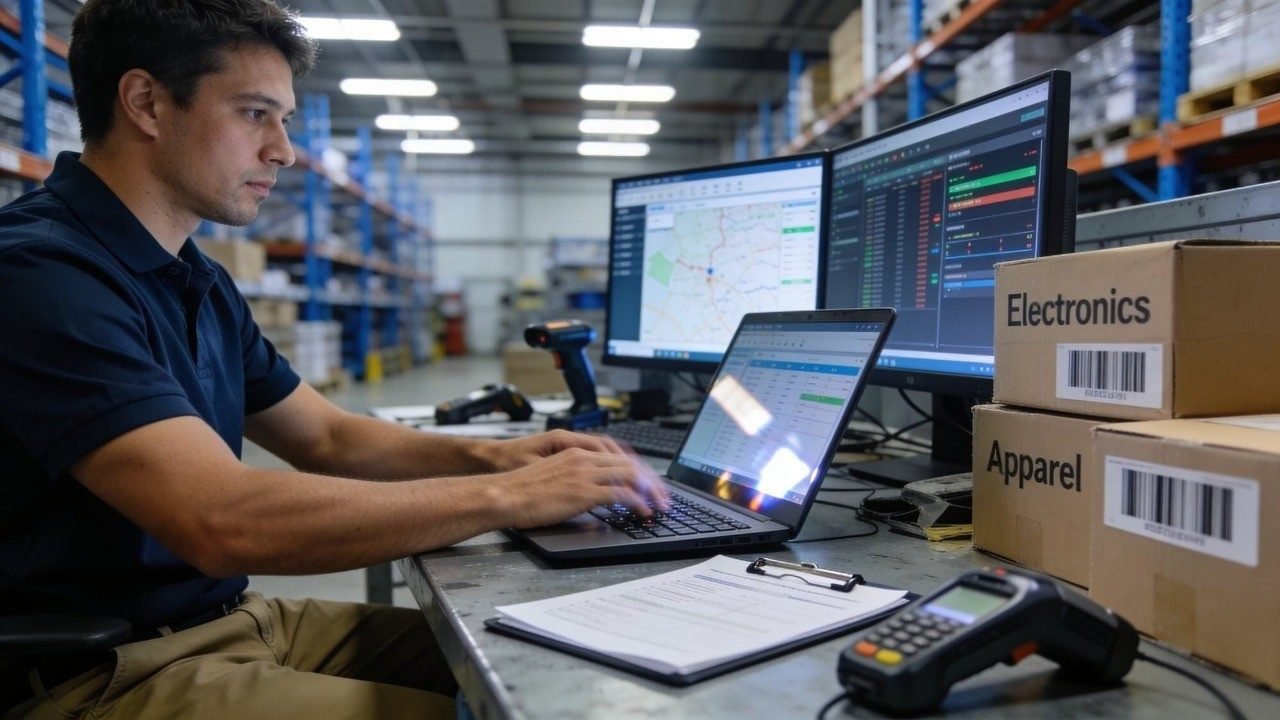
The right 3PL warehouse management software helps you keep those gains. It tracks stock, orders, and shipping in one place. It also gives you clean data on where your products go. This guide explains what Delaware's tax rules do and do not cover, and how software protects your margin.
What tax-free really means for Delaware sellers
The Delaware Division of Revenue states that Delaware does not charge a state or local sales tax. That is a real benefit for sellers who sell to local buyers.
The benefit has limits, though. Delaware businesses still pay a gross receipts tax. It is based on total receipts, with no deductions for costs. Rates run from 0.0945% to 1.9914%, depending on the type of business, as the Delaware Division of Revenue explains.
Delaware has no state or local sales tax. Sellers of goods still pay gross receipts tax on total receipts. Delaware Division of Revenue
Why shipping out of state changes the picture
Most online orders ship outside Delaware. Since the 2018 Wayfair ruling, states can require out-of-state sellers to collect sales tax on deliveries into the state. Each state sets its own threshold. Wisconsin, for example, sets it at $100,000 in gross sales.
So a Delaware address does not make every order tax-free. Rules differ by state and by sales channel. This article is general information and not tax advice. Talk to a qualified tax professional about your own case.
This is why location data matters. If you know where stock sits and where orders go, you can answer tax questions faster. You can also spot costly shipping zones sooner.
How 3PL warehouse management software protects your savings
A tax advantage means little if daily mistakes eat your margin. Software cuts those losses at the source. It also keeps the records you need when tax time arrives.
Think of it as a cost control tool. It does not change your tax bill. It protects the margin that your tax bill leaves behind.
Where the savings come from
- Fewer picking and packing errors, which means fewer reships and returns
- Accurate stock counts, which prevent overselling and rush reorders
- Clear billing and invoicing for storage and handling fees
- Less time spent on manual spreadsheets
Clean data for tax season
Your accountant needs to know where orders ship. Look for a platform that records every shipment by destination. That makes the job easier than rebuilding the data from spreadsheets later.
A simple example near Bear
Consider a small brand that stores goods with a 3PL near Bear. The team tracks stock in a spreadsheet and bills clients by hand. Each month, a few storage fees get missed, and a few orders ship with the wrong item.
Now picture the same team on 3PL inventory management software. Every scan updates stock as it happens. Billing follows the real activity, so fees are not missed. Fewer wrong shipments also mean fewer costly returns.
The owner also gets a clearer view of costs. Reports show which clients use the most storage and which orders cost the most to ship. That view helps the team set fair prices and protect margin.
What to look for before you choose a platform
When you compare 3PL warehouse management software, check for these features:
- Real-time stock counts across Amazon, Walmart, and Shopify
- Barcode scanning for receiving, picking, and packing
- Billing and invoicing tools for storage and handling
- Reports that show where orders ship each month
- Client portals, so each brand sees its own stock
- Fast returns processing
Sellers who also ship through Amazon can add Amazon FBA prep tools. Walmart sellers can manage stock with Walmart WFS tools.
PrepShipHub began inside a real prep center operation. Its team built the platform to solve the same cost and stock problems described here.
Frequently asked questions
Q1: Does Delaware really have no sales tax?
Yes. Delaware has no state or local sales tax, according to the Delaware Division of Revenue. Businesses still pay a gross receipts tax on their total receipts.
Q2: Do Delaware sellers collect sales tax on out-of-state orders?
It depends. Since the Wayfair ruling, states can require remote sellers to collect tax once sales pass a set threshold. Thresholds differ by state, so check each state's rules or ask a tax professional.
Q3: How can software lower costs for a 3PL?
It cuts manual work and counting errors. Fewer errors mean fewer reships and returns. Accurate billing also stops missed storage and handling fees.
Q4: Is 3PL warehouse management software worth it for a small team?
Often, yes. Small teams lose the most time to manual work. Software replaces spreadsheets with one live record of stock, orders, and billing.
Q5: What records should I keep for tax time?
Keep records of sales by destination state, shipment dates, and order totals. A tax professional can tell you exactly what your filings need.