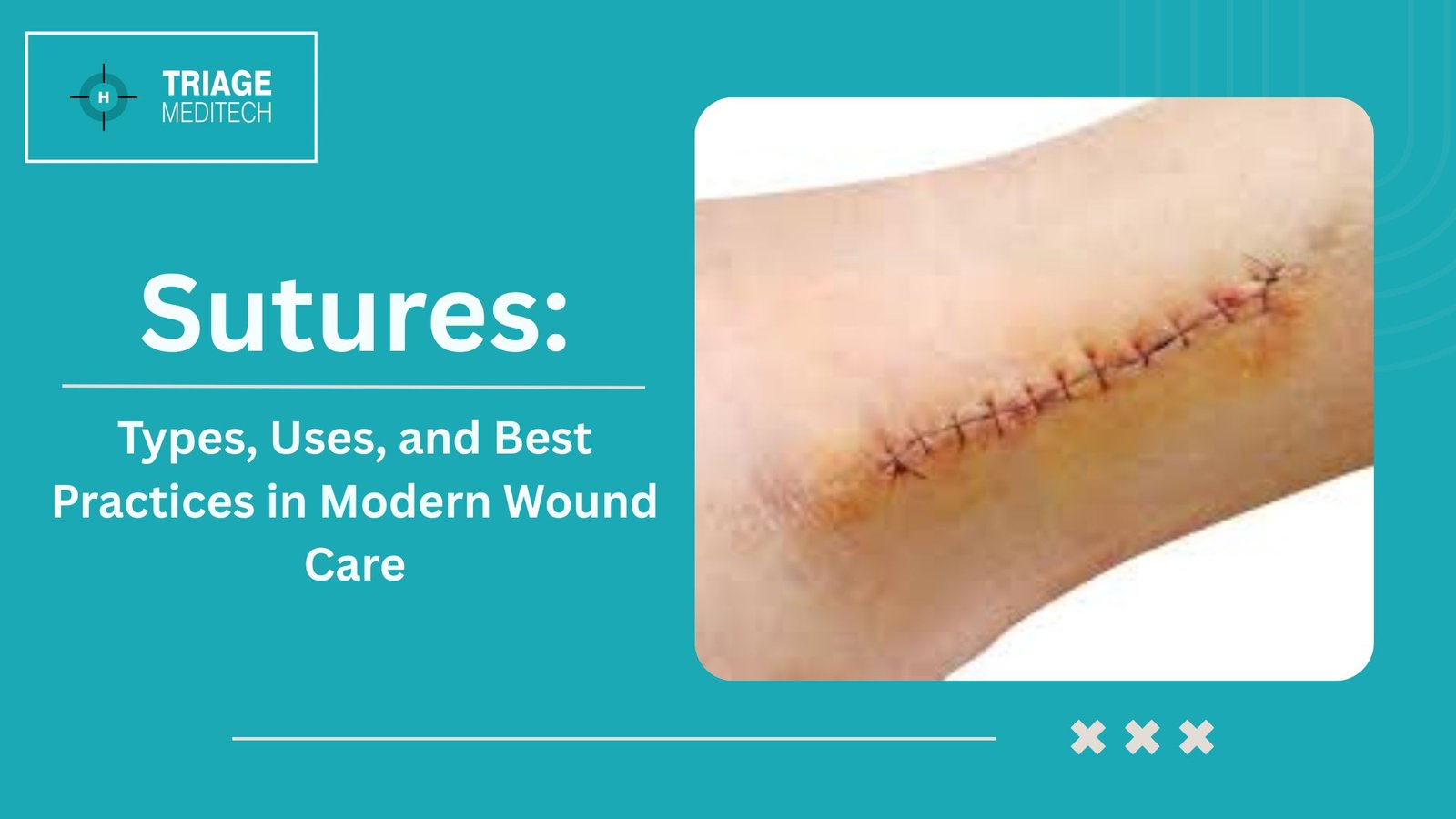
Sutures play a critical role in modern medicine, serving as one of the most reliable methods for closing wounds, promoting healing, and minimizing infection risks. Whether used in minor cuts or major surgical procedures, sutures are essential tools for healthcare professionals. Understanding the different types of sutures, their uses, and best practices can help improve patient outcomes and ensure proper wound management.
What Are Sutures?
Sutures are sterile threads used by medical professionals to close wounds, surgical incisions, or lacerations. They hold tissues together, allowing the body to heal naturally while reducing the risk of complications such as infections or excessive scarring. Sutures can be made from natural or synthetic materials and are selected based on the type and location of the wound.
Types of Sutures
Choosing the right suture type is crucial for effective wound healing. Sutures are broadly categorized into absorbable and non-absorbable types.
Absorbable Sutures
Absorbable sutures are designed to break down naturally within the body over time. These are commonly used for internal tissues where removing stitches would be difficult or unnecessary.
Common materials include:
- Polyglycolic acid (PGA)
- Polylactic acid (PLA)
- Catgut (natural material)
Advantages:
- No need for removal
- Reduced follow-up visits
- Ideal for internal wounds
Common uses:
- Internal organ repair
- Subcutaneous tissue closure
Non-Absorbable Sutures
Non-absorbable sutures are not broken down by the body and must be removed after the wound has healed or left permanently in some cases.
Common materials include:
- Nylon
- Silk
- Polyester
- Polypropylene
Advantages:
- High tensile strength
- Suitable for long-term tissue support
Common uses:
- Skin closure
- Cardiovascular surgeries
- Orthopedic procedures
Suture Techniques
Different suturing techniques are used depending on the wound type, tension, and desired cosmetic outcome.
Interrupted Sutures
Each stitch is placed and tied individually. This method allows for better control and is commonly used in irregular wounds.
Continuous Sutures
A single thread runs along the wound without interruption. This technique is faster and distributes tension evenly.
Mattress Sutures
Used for wounds under tension, mattress sutures provide extra strength and help prevent wound edges from inverting.
Subcuticular Sutures
Placed just beneath the skin surface, these sutures are ideal for cosmetic purposes as they minimize visible scarring.
Factors Influencing Suture Selection
Selecting the appropriate suture involves considering several factors:
Wound Location
Areas with high tension, such as joints, require stronger sutures, while delicate areas like the face need finer materials for minimal scarring.
Tissue Type
Different tissues heal at different rates. For example, muscle heals slower than skin, requiring longer-lasting sutures.
Infection Risk
In contaminated wounds, monofilament sutures are often preferred as they reduce bacterial adherence.
Patient Factors
Age, overall health, and underlying medical conditions can impact healing and influence suture choice.
Best Practices for Suturing
Proper suturing technique is essential to ensure optimal healing and reduce complications.
Maintain Sterility
Always use sterile equipment and follow aseptic techniques to prevent infection.
Proper Knot Tying
Secure knots are crucial to keep the wound closed without causing excessive tension.
Adequate Wound Cleaning
Thoroughly clean and debride the wound before suturing to remove debris and reduce infection risk.
Avoid Over-Tightening
Excessive tension can compromise blood flow and delay healing.
Timely Removal
Non-absorbable sutures should be removed at the appropriate time to prevent scarring or complications.
Advantages of Using Sutures
Sutures offer several benefits in wound management:
- Promote faster healing
- Reduce risk of infection
- Minimize scarring
- Provide precise wound closure
- Suitable for a wide range of medical procedures
Alternatives to Sutures
While sutures are widely used, other wound closure methods are available:
- Staples: Quick and effective for large wounds
- Adhesive strips: Ideal for minor cuts
- Tissue adhesives (skin glue): Useful for small, clean wounds
Each method has its own advantages and is selected based on the clinical scenario.
Common Complications of Sutures
Although sutures are generally safe, complications can occur:
- Infection
- Scarring
- Suture marks
- Allergic reactions (rare)
- Wound dehiscence (reopening)
Proper technique and aftercare significantly reduce these risks.
Conclusion
Sutures remain a cornerstone of effective wound care and surgical practice. With a wide variety of materials and techniques available, healthcare professionals can tailor their approach to each patient’s needs. Understanding the different types of sutures, their applications, and best practices ensures optimal healing outcomes and minimizes complications. Whether in emergency care or planned surgery, sutures continue to be indispensable in modern medicine.