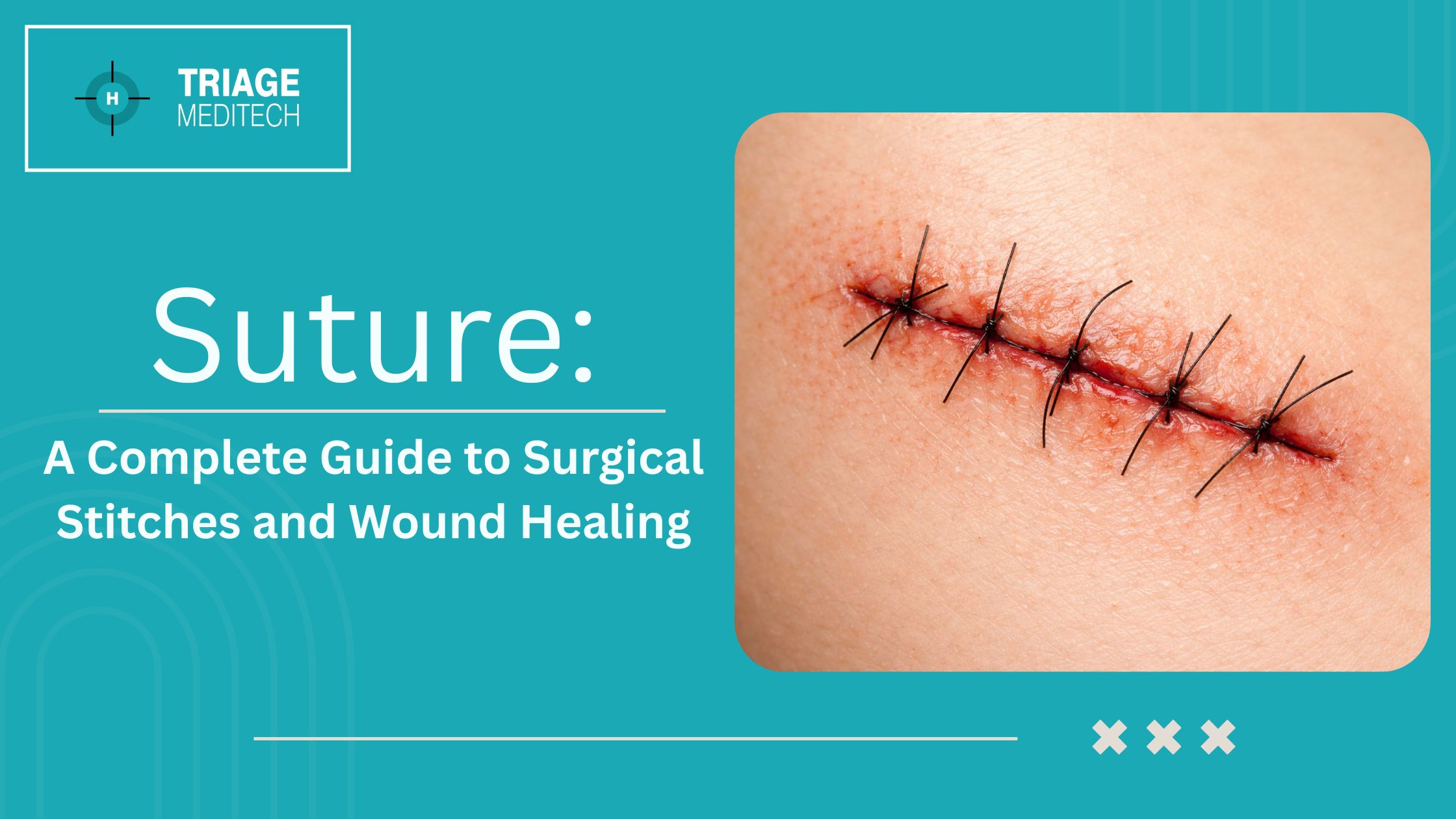
A suture is one of the most important medical tools used in modern healthcare to close wounds and surgical incisions. Sutures help hold tissues together after an injury or surgical procedure, allowing the body to heal properly. By keeping wound edges aligned, sutures reduce the risk of infection, minimize bleeding, and improve the overall healing process.
In hospitals, clinics, and emergency settings, sutures are widely used by surgeons and medical professionals to repair damaged tissue. Advances in medical technology have introduced a variety of suture materials and techniques designed to improve surgical outcomes and patient recovery. Understanding the role of sutures can help patients appreciate how these small surgical threads play a major role in healing and medical care.
What Is a Suture?
A suture refers to a sterile surgical thread used to stitch body tissues together. Sutures are commonly applied after surgery or when a deep wound requires closure. The main purpose of suturing is to stabilize the wound area so that tissues can heal naturally.
Sutures are used in many medical situations, including:
Surgical procedures
Injury repair
Internal tissue closure
Dental surgeries
Cosmetic procedures
By carefully stitching the wound edges, healthcare professionals help ensure proper healing and reduce the chance of complications.
Importance of Sutures in Medical Procedures
Sutures are essential because they support the body’s natural healing process. When a wound occurs, the body begins repairing damaged tissue. Sutures help by keeping the tissue in place while this process takes place.
Benefits of using sutures include:
Proper wound closure
Reduced bleeding during surgery
Protection against infection
Faster recovery
Better cosmetic appearance after healing
Without sutures, many surgical procedures would not be possible or safe.
Different Types of Sutures
Sutures come in various types depending on how long they need to remain in the body and the type of tissue being repaired.
Absorbable Sutures
Absorbable sutures are designed to dissolve naturally inside the body over time. These sutures are often used for internal tissues where removal would be difficult.
They are commonly used in:
Internal surgical repairs
Muscle and tissue layers
Organ surgeries
These sutures gradually break down as the tissue heals.
Non-Absorbable Sutures
Non-absorbable sutures do not dissolve and may remain permanently in the body or be removed after the wound heals.
These are commonly used for:
Skin closure
Orthopedic procedures
Cardiovascular surgeries
Doctors remove these sutures once the wound has healed sufficiently.
Common Materials Used in Sutures
Modern sutures are made from different materials designed to provide strength and compatibility with body tissues.
Natural Materials
Natural sutures are derived from biological sources. These have been used in medicine for many years.
Examples include:
Silk sutures
Catgut sutures
Synthetic Materials
Synthetic sutures are manufactured using medical-grade polymers. These are commonly used today because they offer predictable performance and lower tissue reaction.
Examples include:
Nylon
Polyester
Polyglactin
Polydioxanone
These materials help ensure safe and effective wound closure in many surgical procedures.
Common Suturing Techniques
Doctors and surgeons use different suturing techniques depending on the wound type and location.
Interrupted Sutures
This method uses separate stitches tied individually. It offers strong wound support and allows easy removal if necessary.
Continuous Sutures
A single thread runs along the entire wound. This technique is faster and often used for long surgical incisions.
Mattress Sutures
Mattress sutures provide additional support and are used in areas where the skin or tissue is under tension.
The choice of technique depends on the wound characteristics and the surgeon’s preference.
Role of Sutures in Wound Healing
Sutures help guide the healing process by keeping tissues properly aligned. When wound edges stay close together, the body can repair itself more efficiently.
Proper suturing helps:
Prevent wound reopening
Support tissue regeneration
Reduce infection risk
Improve scar appearance
Patients should follow medical advice after receiving sutures to ensure proper healing. This may include keeping the area clean and returning for stitch removal if needed.
Innovations in Suture Technology
Medical science continues to improve suture design to enhance surgical performance and patient outcomes.
Recent innovations include:
Antimicrobial sutures that help prevent infection
Barbed sutures that eliminate the need for knots
Advanced absorbable materials for safer internal healing
These developments make modern surgeries more efficient and contribute to better patient recovery.
Conclusion
Sutures are a fundamental part of modern medical treatment and surgical care. They allow doctors to close wounds, repair tissues, and support the body’s natural healing process. With different materials, types, and techniques available, sutures can be tailored to meet the needs of various medical procedures.
As medical technology continues to evolve, sutures are becoming safer, stronger, and more effective. Their role in wound management and surgical success remains essential in healthcare systems around the world.