Sustainable Packaging Trends for the Malaysian Food and Beverage Sector 2026
By Jishan Berhad 20-02-2026 859
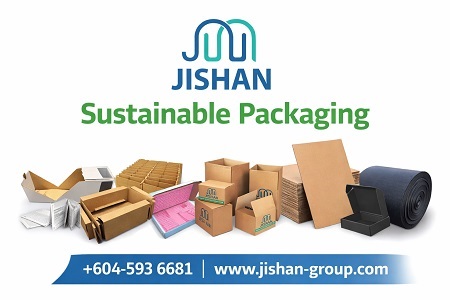
If you run an F&B business in Malaysia, packaging is no longer just about holding food. Customers notice it. Regulators question it. Costs fluctuate. And suddenly, your takeaway box says more about your brand than your menu does.
You’ve probably asked yourself this already:
Is sustainable packaging actually worth the effort?
Short answer? Yes. But not in the way people think.
It’s not about looking “green.” It’s about staying relevant and avoiding waste — both material and money.
Top 5 Sustainable Packaging Trends for Malaysia F&B 2026
Here’s what’s shaping sustainable packaging in Malaysia for 2026.
1. Paper Packaging Is Taking Over Plastic — But Smarter
Plastic isn’t disappearing overnight. But it’s shrinking.
More F&B operators are switching to paper packaging because customers feel better holding it. It looks cleaner. Feels responsible. Photographs better too.
But here’s the catch.
Basic paper that leaks oil or collapses under heat won’t work. Customers won’t forgive soggy packaging.
The real trend is upgraded paper packaging:
- Grease-resistant coatings
- Better structural design
- Heat-stable layers
- Compost-friendly finishes
You don’t just switch to paper. You switch to better-engineered paper.
2. Customers Now Check the Bottom of the Box
Five years ago, no one flipped over a food container. Now they do.
They look for recycling signs. Material labels. Sustainability claims.
If you’re using sustainable packaging, it needs to be clear and honest. Not vague.
Avoid dramatic statements like “100% eco-friendly.” Customers are sceptical.
Instead, keep it simple:
- Recyclable
- FSC-certified
- Compostable
- Made from responsibly sourced material
Clear beats dramatic.
3. Lightweight Packaging Saves More Than the Planet
You know what’s expensive? Transportation.
Heavier packaging increases shipping costs. It affects storage. It adds up quietly.
Modern sustainable packaging trends focus on reducing material weight without losing durability.
That means:
- Thinner walls with stronger structure
- Smarter folding designs
- Less wasted space in delivery
You don’t need bulky packaging to look premium.
Efficiency is the new premium.
4. Custom Sustainable Packaging Is No Longer “Luxury”
There was a time when customised eco packaging felt expensive.
Not anymore.
As demand grows, suppliers adapt. Companies like Jishan Berhad have expanded their sustainable packaging capabilities to meet F&B demand in Malaysia without pushing prices into absurd territory.
That’s important.
Because if sustainability only works for big chains, it’s not a real trend.
You can now align branding and sustainability without choosing one over the other.
And customers notice when your packaging feels intentional.
5. Regulations Are Quietly Getting Stricter
Here’s something many operators underestimate.
Policies around single-use plastics are tightening. Slowly. Quietly. But steadily.
If you wait until regulations force you to change, you’ll rush decisions. That costs more.
Moving toward sustainable packaging early gives you:
- Supplier flexibility
- Better pricing negotiations
- Time to test durability
- Room to adjust branding
You don’t want sustainability to feel reactive.
You want it planned.
Why 2026 Is Different
This shift isn’t just environmental. It’s behavioural.
Customers now associate paper packaging with responsibility. Investors look at ESG metrics. Delivery platforms highlight eco-friendly businesses.
Sustainable packaging is no longer marketing. It’s positioning.
And in Malaysia’s competitive F&B scene, positioning matters.
If two cafes sell the same coffee, the one with thoughtful packaging feels more modern.
Perception influences loyalty.
Questions You Should Be Asking Yourself
Before you change anything, pause and ask:
- Does my packaging reflect my brand values?
- Is it durable enough for delivery?
- Am I overusing material unnecessarily?
- Will customers see this as thoughtful or token?
These questions shape smarter decisions than trends alone.
What Sustainable Packaging Does for Your Business
It does three practical things:
- Reduces long-term regulatory risk
- Improves brand perception
- Controls operational waste
That’s not theory. That’s strategy.
Operational Cost Breakdown: What Sustainable Packaging Really Changes
Let’s talk numbers. Not emotional numbers. Real operational ones.
Switching to sustainable packaging affects cost in small layers, not one dramatic jump.
Here’s where the money actually moves:
Material Cost Per Unit
Paper packaging may cost slightly more per piece than basic plastic. But better design reduces overuse. You often need less volume.
Transportation Savings
Lightweight packaging lowers freight costs. Over thousands of units, that difference becomes noticeable.
Storage Efficiency
Smarter folding and compact designs mean more stock per pallet. That reduces warehouse pressure.
Damage Reduction
Stronger structural paper packaging reduces leakage and returns. Fewer complaints mean fewer refunds.
Brand Value Uplift
Customers are more willing to pay slightly more when packaging feels responsible and premium.
Regulatory Risk Avoidance
Adapting early avoids sudden switching costs when policies tighten.
Here’s the honest part.
Sustainable packaging is not “cheaper.”
It becomes cost-effective when you look at the full chain, not just unit price.
If you only compare box vs box, you miss the bigger picture.
And in F&B, the bigger picture always wins.
Final Thought
Sustainable packaging in Malaysia’s F&B sector isn’t about chasing a trend. It’s about adapting before you’re forced to.
Paper packaging, lighter materials, honest labelling, and smarter sourcing will define 2026.
The businesses that move early will feel prepared.
The ones that wait will feel rushed.
And rushed decisions rarely age well.
Key Points
- Paper packaging is replacing plastic, but quality matters
- Customers actively check sustainability claims
- Lightweight design reduces cost and waste
- Custom sustainable packaging is now accessible
- Early adoption avoids regulatory pressure
FAQs
Is sustainable packaging more expensive in Malaysia?
Not necessarily. Costs balance out with efficiency gains.
Is paper packaging strong enough for delivery?
Yes, when engineered properly for heat and grease resistance.
Will customers really notice sustainable packaging?
Yes. It influences perception and repeat purchases.
#jishanberhad #customfoodpackaging #fsccartonmanufacturer #paperpackaging #honecombpaper #paperwrapping #paperformingtray #mouldedpulp #voidfill #paperfiller #vacuumformingtray #pcrstretchfilm #papercushioning #sustainablepackaging #sustainablepackagingsolutions #sustainablesolutions #ecofriendlypackaging #duplexbox #offsetbox