Submarine Power Cable Installation: The Competitive Advantage of Expert Execution
By Leadvent Group 02-07-2026 206
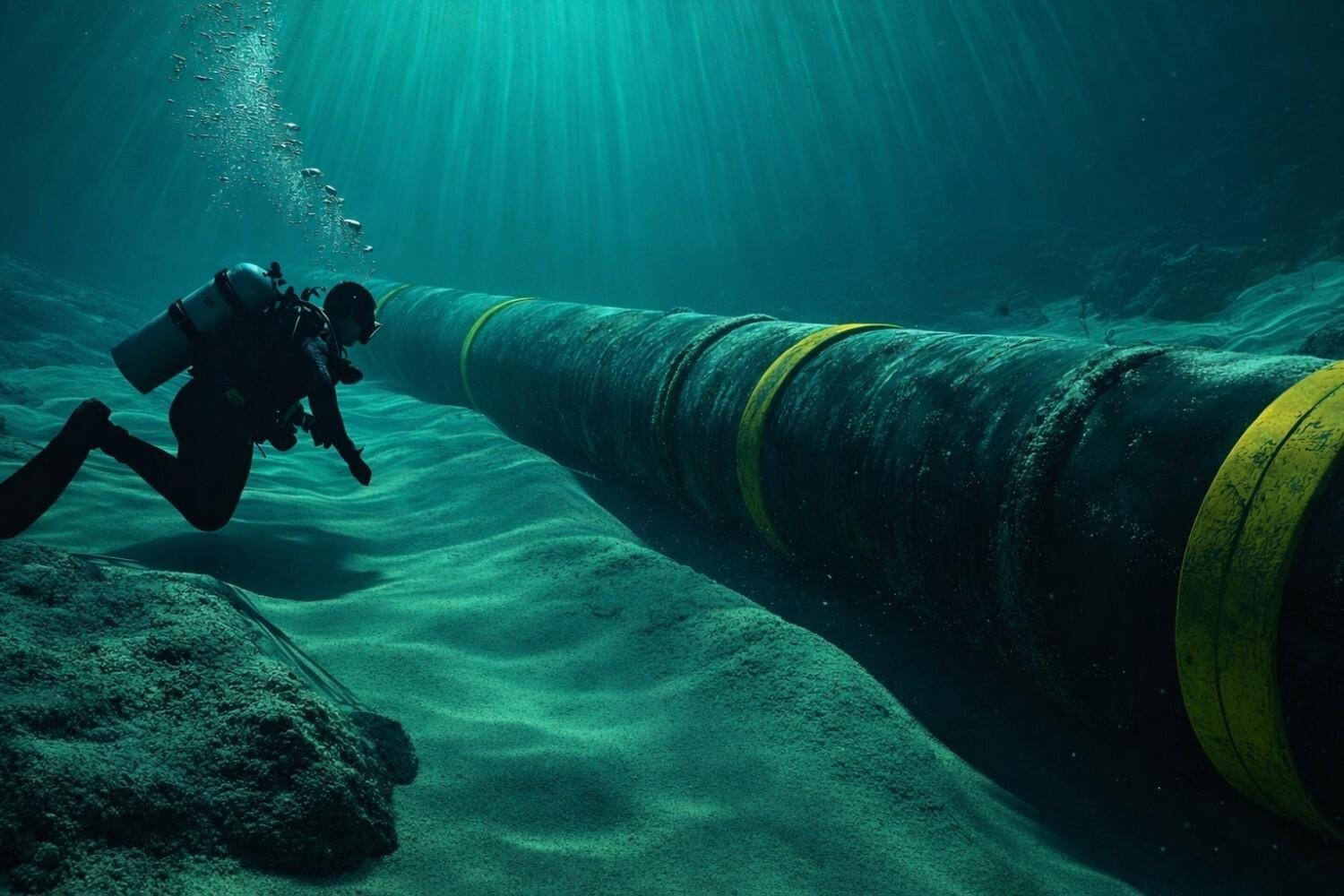
Submarine power cables carry electricity across oceans, connecting islands, offshore wind farms, and entire countries. These cables sit on or under the seabed, often for decades, facing strong currents, shifting sand, fishing boats, and ship anchors. Laying them correctly the first time is not just a technical task. It is a decision that affects safety, cost, and reliability for the next 25 to 40 years.
Why Submarine Power Cable Installation Demands Real Expertise
Submarine power cable installation ranks among the most demanding and high-risk operations in the energy industry. Once a cable is on the seabed, mistakes are expensive and hard to fix. Repairing a single fault at sea can cost close to two million euros and take weeks, since ships, divers, and specialized tools must be brought to a remote location. A small error during route planning, cable bending, or burial depth can turn into a major failure years later. This is why experienced teams matter so much. They understand seabed conditions, weather windows, and cable handling limits that inexperienced crews often overlook.
What Goes Into a Successful Installation
Good installation work starts long before the cable touches water. Engineers survey the seabed to find rocks, slopes, and existing pipelines. They plan a route that avoids fishing zones and anchor points where possible. During laying, the cable must be kept within its minimum bending radius, since sharp bends damage the internal copper conductors over time. Burial depth is chosen based on local risks. Areas with heavy fishing or shipping traffic usually need deeper burial for protection.
A properly trained crew also checks tension levels constantly while laying cable from the vessel. If tension gets too high, even briefly, it can create hidden stress points that only show up as failures months or years later. This level of care is what separates a smooth, decades-long operation from one plagued by repeated breakdowns.
The Real Cost of Getting It Wrong
Data from the offshore wind industry shows how much installation quality matters. Insurance reports have linked a large share of offshore wind project financial losses directly to subsea cable failures, with many incidents tracing back to manufacturing defects or poor installation practices rather than natural wear. Once a submarine power cable fails, downtime often stretches beyond three months while repair vessels are scheduled and weather conditions cooperate. That downtime means lost revenue, unhappy customers, and sometimes contractual penalties.
Case Study 1: The Fox Islands Cable System, Maine
One of the clearest lessons in submarine cable history comes from the Fox Islands Electric Cooperative in Maine. In 1976, four single-phase cables were laid between Rockport and the islands of North Haven and Vinalhaven. Over the following years, the system suffered 45 separate faults. Investigators later found that many failures were linked to handling problems during earlier repairs, including cables bent beyond safe limits, dropped during recovery, or placed under excessive tension. The original route also crossed rocky seabed sections that made the cables vulnerable. In 2005, a new cable was installed along a different path, avoiding the hard bottom and burying the line for extra protection. Since then, the system has run without major incident. The case shows that installation and handling choices, not just cable quality, decide long-term reliability.
Case Study 3: Offshore Wind Cable Data from Jiangsu, China
A detailed study of an offshore wind power project in Jiangsu examined accident data across the full life cycle of submarine power cables. The research found that problems occurring during construction and acceptance stages accounted for more than half of all recorded issues. It also found that single-core cables experienced a noticeably higher accident rate than three-core cables in the same conditions. This kind of data driven analysis highlights something important. The choice of cable type and the quality of construction supervision directly shape failure rates, long before the cable ever faces its first storm at sea.
Why Expert Execution Creates a Competitive Advantage
Companies that invest in experienced installation teams, proper route surveys, and strict quality checks during laying tend to see fewer faults and lower lifetime costs. This reliability becomes a selling point. Utilities and wind farm developers increasingly ask contractors for proof of past performance, not just price quotes. A contractor with a strong track record of trouble-free installations can win contracts that a cheaper but less experienced competitor cannot. In an industry where a single fault can cost millions and take a project offline for months, expertise is not a luxury. It is a key factor in building and sustaining a competitive business.
Conclusion
Laying cable across the seabed will always carry some risk from nature and human activity. But history shows that many failures trace back to choices made during planning and installation, not just bad luck. The Fox Islands and Jiangsu examples both point to the same lesson: careful route selection, correct handling, and strong construction oversight prevent most future problems. As more countries connect islands and offshore wind farms to the grid, demand for skilled installation teams will only grow. Companies that attend a subsea power cable event or industry conference regularly tend to stay ahead, since these gatherings are where new techniques, monitoring tools, and lessons from past failures get shared. Expert execution, backed by real data and experience, remains the clearest path to a reliable and cost effective submarine cable network.
Frequently Asked Questions
Q1. How deep are submarine power cables usually buried?
Burial depth varies by location, but most cables are buried between one and three meters below the seabed in areas with fishing or shipping activity. Deeper water sections may not require burial if the cable is naturally protected by depth.
Q2. What is the biggest cause of submarine cable failure?
External damage from fishing gear and ship anchors is one of the leading causes, along with manufacturing defects and installation errors that create weak points in the cable structure.
Q3. How long does a submarine power cable typically last?
A well installed cable can last 25 to 40 years, though actual lifespan depends on seabed conditions, cable quality, and how carefully it was handled during installation.
Q4. Why do single-core cables fail more often than three-core cables?
Research suggests single-core cables can be more sensitive to installation stress and environmental exposure, though results vary by project and seabed conditions.
Q5. How much does repairing a submarine cable fault cost?
Repair costs commonly range from around seven hundred thousand to nearly two million euros, depending on water depth, weather, and how far the vessel must travel to reach the fault site.