Spain Summer Tire Industry: Seasonal Mobility, Safety, and Evolving Vehicle Needs
By kyle 10-09-2026 2
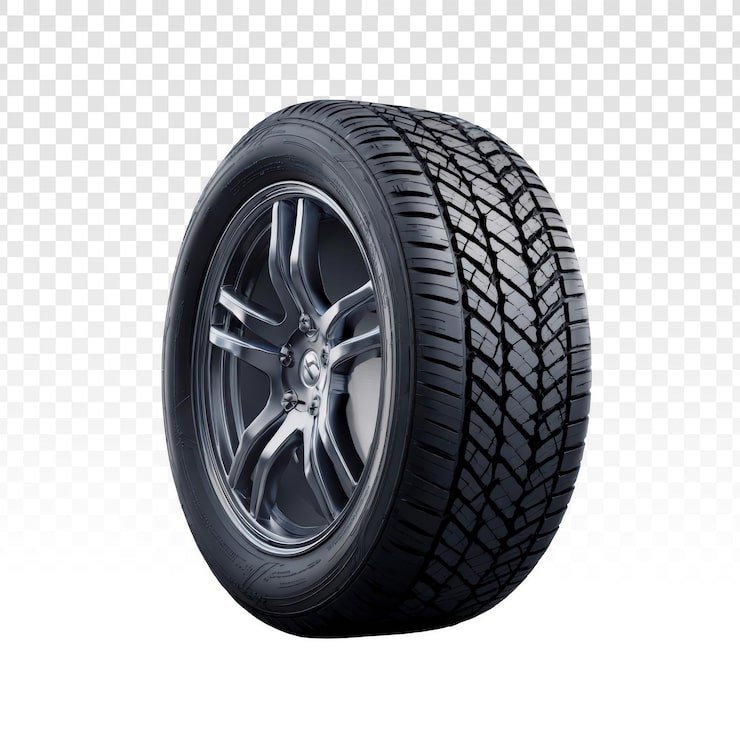
Spain's tire industry is closely connected to its vehicle fleet, road transportation, tourism activity, climate conditions, and replacement cycles. Summer tires are developed for warmer conditions and are generally designed to provide appropriate grip, handling, braking, and stability on dry and wet roads. Seasonal driving patterns, vehicle utilization, and consumer preferences therefore influence demand for these products across Spain's passenger and commercial vehicle segments.
According to the Spain summer tire industry report published by MarkNtel Advisors, the study examines the sector across the 2026–2032 forecast period. The analysis covers demand patterns, tire categories, vehicle applications, distribution channels, technological developments, competitive conditions, and the factors influencing consumer and industry requirements. The study also evaluates the changing dynamics affecting summer tire adoption across the country.
Seasonal Conditions Influence Tire Selection
Spain's diverse geography creates different driving conditions across regions. Coastal areas, inland regions, mountainous territories, and southern provinces can experience different temperature and precipitation patterns. These variations influence how motorists approach tire selection, maintenance, and replacement.
Summer tires generally use compounds designed to maintain suitable performance in warmer temperatures. Their tread patterns are developed to provide traction and handling on dry and wet surfaces. For drivers operating primarily in regions with relatively mild winters, seasonal tire requirements can differ from those in areas that experience colder conditions.
Safety Remains a Key Consideration
Tire safety is an important consideration for motorists because tire condition can influence braking, cornering, traction, and vehicle stability. Correct inflation, sufficient tread depth, proper alignment, and timely replacement can all contribute to maintaining expected tire performance.
The European Commission's tire-labeling framework provides consumers with standardized information on characteristics such as wet grip, fuel efficiency, and external rolling noise. Such information can support more informed comparisons when motorists evaluate different tire products.
Replacement Demand Creates Recurring Requirements
Tires are consumable vehicle components, meaning replacement demand develops as products reach the end of their useful service life. Mileage, road conditions, driving style, vehicle load, tire maintenance, and environmental exposure can affect wear rates.
Spain's established vehicle fleet therefore creates a recurring need for replacement products. Consumers may also replace tires before reaching the absolute end of service life when they identify uneven wear, aging, damage, or reduced performance. This creates an ongoing aftermarket requirement beyond demand generated by newly registered vehicles.
Tourism and Long-Distance Driving Affect Usage
Tourism represents an important part of Spain's broader mobility environment. Domestic and international travel can increase vehicle usage, particularly during peak holiday periods. Passenger cars used for longer journeys may experience higher annual mileage, which can influence tire wear and replacement intervals.
Commercial transportation also contributes to tire consumption. Delivery vehicles, logistics fleets, buses, and other commercial applications can accumulate significant mileage and operate under varied road and load conditions. These users can place greater emphasis on durability, traction, rolling resistance, and service life when selecting tires.
Vehicle Electrification Introduces New Requirements
The gradual expansion of electric vehicles is creating additional considerations for tire manufacturers. Battery-electric vehicles can have higher curb weights than comparable conventional vehicles, while instant torque delivery can affect acceleration characteristics and tire wear.
These factors can increase the importance of tire load capacity, structural durability, rolling resistance, and acoustic performance. Manufacturers are therefore developing products that address the operating characteristics of electric powertrains while maintaining braking and handling performance.
The shift toward vehicle electrification is also encouraging greater attention to efficiency. Lower rolling resistance can help reduce energy losses, making it relevant for both conventional and electric vehicles.
Digital Purchasing Is Reshaping Distribution
Consumer purchasing behavior is becoming increasingly influenced by digital channels. Online platforms allow motorists to compare tire sizes, technical specifications, performance characteristics, prices, and availability before making purchasing decisions.
However, tire installation remains a physical service requiring appropriate equipment and trained technicians. This means online purchasing can complement rather than fully replace traditional tire retailers, workshops, and automotive service centers. The combination of digital product research and offline installation is consequently becoming an important part of the modern tire purchasing process.
Sustainability Gains Greater Attention
Environmental considerations are becoming more relevant throughout the tire lifecycle. Tire manufacturers are exploring materials, production methods, and designs intended to improve resource efficiency and product performance, while end-of-life tire management remains an important issue.
The European Tyre and Rubber Manufacturers' Association highlights the importance of responsible end-of-life tire collection, treatment, recycling, and recovery. Greater attention to circularity can influence how manufacturers, retailers, recyclers, and policymakers approach tire waste and material recovery.
Summer Tires Face Competition From All-Season Products
All-season tires provide an alternative for motorists seeking a single tire solution throughout the year. Their growing availability introduces another consideration for consumers who may prioritize convenience and reduced seasonal tire changes.
Dedicated summer tires, however, remain relevant for drivers who prioritize performance characteristics suited to warmer conditions. The choice between summer and all-season products can depend on regional climate, driving frequency, expected winter conditions, vehicle use, and individual preferences.
Technology Continues to Shape Tire Development
Tire technology is evolving alongside broader automotive developments. Modern products increasingly address requirements related to wet braking, rolling resistance, durability, noise, high-speed stability, and compatibility with advanced vehicle systems.
Connected vehicle technologies may also create opportunities for more detailed tire monitoring. Sensors and vehicle-based monitoring systems can provide information about tire pressure and operating conditions, supporting preventive maintenance and potentially improving awareness of tire condition.
Outlook for Spain's Summer Tire Industry
Spain's summer tire sector is being influenced by seasonal weather patterns, replacement requirements, tourism-related mobility, commercial transportation, vehicle electrification, digital purchasing, and sustainability considerations. These factors are creating a diverse set of requirements for manufacturers, distributors, service providers, and consumers.
Future developments will depend on vehicle fleet composition, mileage patterns, consumer purchasing behavior, technological innovation, and regulatory conditions. As Spain's automotive landscape evolves, summer tires are likely to remain an important component of vehicle safety and mobility, while product development increasingly balances performance, efficiency, durability, and environmental considerations.
Tags : Tire industry