Introduction
Keeping a home or business free from pests requires more than reacting when a problem appears. Long-term protection comes from prevention, regular monitoring, and understanding what attracts pests in the first place. Many property owners only notice pests after they have already caused damage or become difficult to remove.
Pests can enter buildings in search of food, water, and shelter. Once they find suitable conditions, they often stay and reproduce. This can lead to property damage, sanitation concerns, and costly repairs. A proactive approach helps stop these problems before they begin.
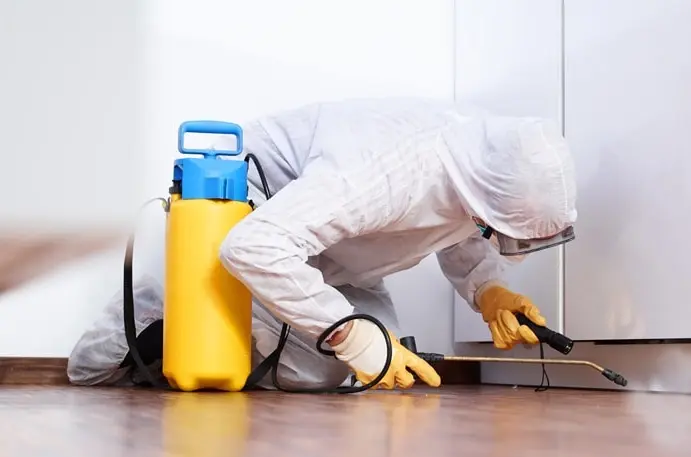
Many homeowners and businesses rely on professional Pest Control Barrie services to help protect their properties throughout the year. With the right strategies, it is possible to reduce pest activity and maintain a cleaner and healthier environment.
Understanding how pests behave and what attracts them is the first step toward long-term protection.
Common Reasons Pests Invade Properties
Pests do not enter homes and businesses without a reason. They are constantly searching for resources that help them survive. When a property provides those resources, pest activity often increases.
Food Sources
Food is one of the strongest attractants for pests. Even small crumbs, spills, or improperly stored food can attract insects and rodents.
Kitchens, dining areas, storage rooms, and garbage containers often become hotspots for pest activity. Keeping these areas clean helps reduce opportunities for infestation.
Pet food can also attract pests when left exposed for long periods. Proper storage and regular cleaning are important prevention measures.
Water Access
Many pests require water to survive. Leaking pipes, standing water, clogged gutters, and excess moisture create ideal conditions for insects and rodents.
Bathrooms, basements, laundry rooms, and crawl spaces often provide reliable moisture sources. Addressing water issues helps eliminate an important factor that supports pest activity.
Shelter Opportunities
Pests seek safe places where they can hide, reproduce, and avoid predators. Cluttered storage areas, overgrown vegetation, wood piles, and unused spaces often provide excellent shelter.
Properties that offer food, water, and shelter become highly attractive to many pest species. Reducing these resources can significantly lower the risk of infestation.
Top Pest Issues in Barrie
Several pests commonly affect residential and commercial properties throughout the year. Each species presents unique challenges and requires specific prevention methods.
Ant Infestations
Ants frequently enter buildings while searching for food and moisture. Once a food source is discovered, worker ants create trails that guide others to the location.
Small infestations can quickly become larger if the colony remains active nearby. Maintaining cleanliness and sealing entry points helps reduce ant problems.
Rodent Activity
Mice and rats are among the most common pest concerns. They can squeeze through surprisingly small openings and establish nests inside walls, attics, basements, and storage spaces.
Rodents damage insulation, chew electrical wiring, and contaminate food supplies. Because they reproduce quickly, early detection is important for preventing larger infestations.
Wasp Nests
Wasps often build nests around roofs, sheds, decks, and outdoor structures during warmer months. Their aggressive behavior can create safety concerns for families, employees, and visitors.
Regular property inspections help identify nests before they become larger and more difficult to manage.
Seasonal Insects
Different insects become active throughout the year. Spiders, earwigs, flies, silverfish, and other crawling pests may enter homes searching for food, moisture, or shelter.
Although some species are harmless, large numbers can become a nuisance and affect comfort inside the property.
The Value of Routine Pest Inspections
Routine inspections play a major role in preventing infestations. Many pest problems begin in hidden locations that are not part of everyday household activities.
Professional inspections help identify signs of activity before significant damage occurs. Technicians can locate nesting sites, entry points, moisture issues, and conditions that attract pests.
Regular inspections also provide an opportunity to address small concerns before they develop into major infestations. Early intervention is often less expensive and more effective than dealing with a widespread problem.
Businesses benefit from inspections because they help maintain cleanliness standards and reduce operational risks. Homeowners gain peace of mind knowing their property is being monitored for potential issues.
Consistent inspections form the foundation of a successful long-term pest management strategy.
Practical Pest Prevention Tips
Simple preventive actions can greatly reduce the likelihood of pest problems. Consistency is often the key to success.
Keep Outdoor Areas Well Maintained
Overgrown vegetation and accumulated debris provide hiding places for pests. Trimming shrubs, removing yard waste, and maintaining landscaping help reduce shelter opportunities.
Tree branches should be kept away from roofs whenever possible. This limits access routes for rodents and other pests.
Improve Indoor Sanitation
Clean environments are less attractive to pests. Regular vacuuming, wiping surfaces, and cleaning food preparation areas help eliminate food sources.
Garbage should be removed regularly and stored in sealed containers. Attention to sanitation can significantly reduce pest activity.
Use Proper Storage Solutions
Food products should be stored in durable sealed containers. Storage areas should remain organized to minimize hiding places.
Reducing clutter makes inspections easier and limits areas where pests can establish nests.
Seal Potential Entry Points
Inspect doors, windows, vents, and foundations for gaps or cracks. Small openings can allow insects and rodents to enter.
Weather stripping, caulking, and screen repairs help strengthen a property's defenses against pests.
Long-Term Benefits of Professional Pest Control
Many property owners focus only on removing visible pests. However, professional pest management offers broader benefits that support long-term protection.
One important advantage is accurate pest identification. Different species require different treatment strategies. Correct identification improves effectiveness and reduces unnecessary treatments.
Professionals also understand pest behavior. This knowledge allows them to identify hidden activity and address the root causes of infestations rather than simply treating symptoms.
Customized treatment plans provide solutions based on the property's unique conditions. Homes, offices, warehouses, and restaurants often face different pest challenges.
Another benefit is ongoing monitoring. Regular evaluations help detect new activity and prevent future infestations before they become serious.
Professional services often save money over time by reducing property damage, lowering repair costs, and minimizing disruptions caused by pest activity.
Building a Year-Round Pest Protection Plan
Effective pest management is not limited to one season. Different pests become active at different times of the year.
Spring often brings increased insect activity as temperatures begin to rise. Summer can introduce wasps, flies, and other outdoor pests. Autumn frequently drives rodents indoors as they search for warmth and shelter. Winter may reduce outdoor activity, but many pests remain active inside heated buildings.
A year-round protection plan focuses on prevention, monitoring, sanitation, and maintenance. By addressing seasonal risks before they become problems, property owners can maintain stronger protection throughout the year.
Combining preventive measures with professional guidance creates a more effective and sustainable approach to pest management.
Frequently Asked Questions
What attracts ants into homes?
Ants are attracted by food, moisture, and accessible entry points. Even small crumbs or spills can encourage ant activity.
How can homeowners prevent wasp nests?
Regular inspections of roofs, sheds, decks, and outdoor structures can help identify early nest construction before colonies become established.
Is year-round pest control necessary?
Many pests remain active throughout the year. A year-round approach helps address seasonal changes and reduces the risk of recurring infestations.
What should be done after a treatment?
Property owners should follow any recommendations provided by the technician. These may include sanitation improvements, repairs, and ongoing monitoring.
How do professionals find hidden pest activity?
Professionals inspect common hiding areas, look for signs such as droppings and damage, and identify environmental conditions that support infestations.
Conclusion
Long-term pest protection requires planning, prevention, and regular monitoring. Understanding why pests enter properties and taking proactive steps can greatly reduce the risk of infestations. Simple measures such as sanitation, moisture control, property maintenance, and routine inspections provide strong protection against common pests. When combined with professional expertise, these strategies help create cleaner, safer, and more comfortable environments. For dependable pest management solutions and ongoing support, property owners can rely on Pest AI for effective protection throughout every season.
Tags : .....