Smart Home Lighting: 8 Features Consumers Should Compare Before Buying
By Jane Rochstad 29-06-2026 58
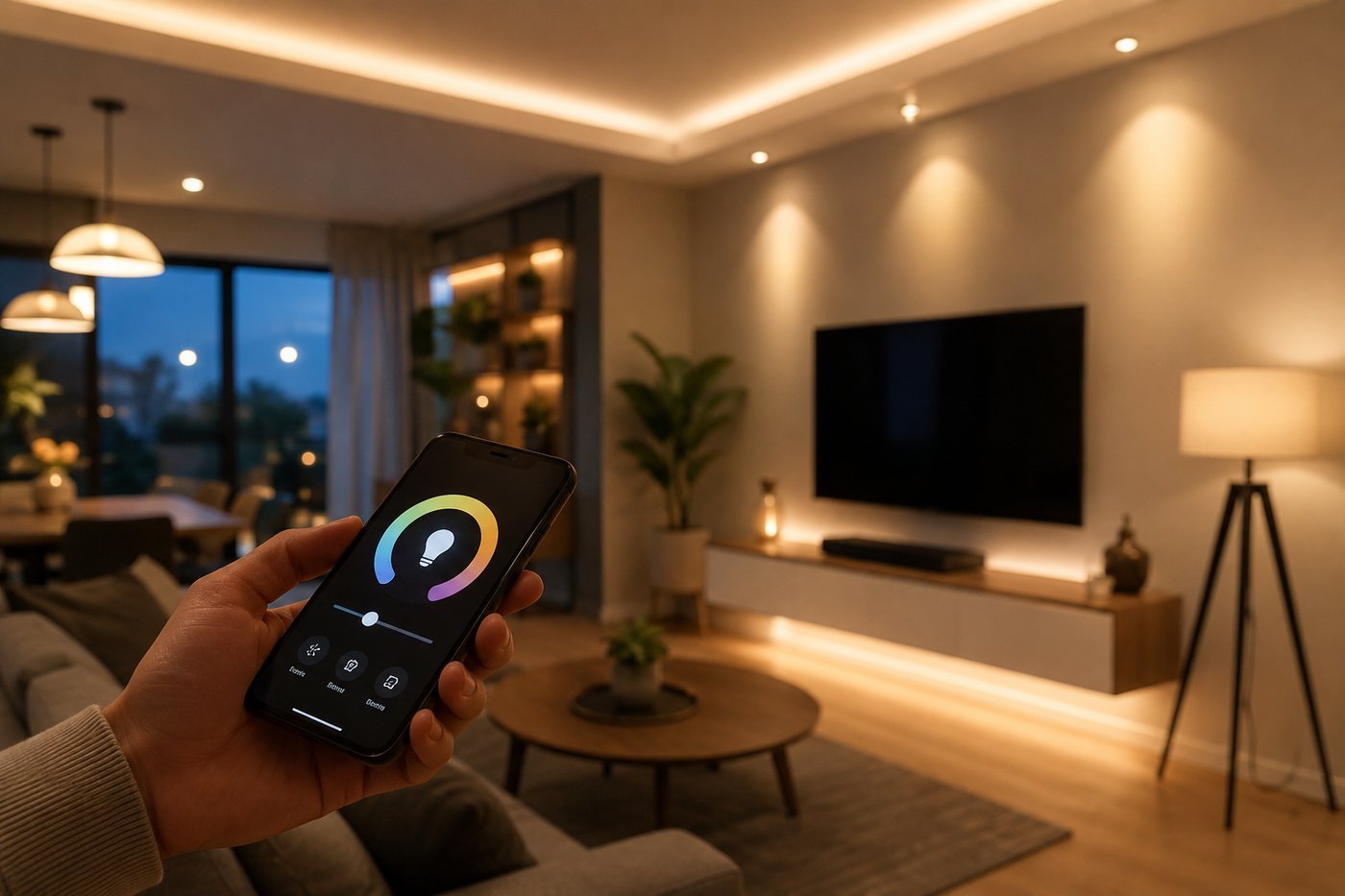
Choosing new technology for your home is exciting, but it may also feel overwhelming. With countless brands, apps, smart assistants and lighting products available, it's easy to become focused on flashy features instead of the things that truly matter.
Smart home lighting is no longer reserved for luxury homes. From apartments to family homes, more people are using connected lighting to improve convenience, increase energy efficiency and create a more comfortable living environment. However, not every system offers the same experience.
If you're considering upgrading your home, comparing the right features before making a purchase may help you avoid compatibility issues, unnecessary costs and future frustrations. Here's what every buyer should look for.
What Is Smart Home Lighting?
Smart home lighting refers to lighting systems that may be controlled remotely using a smartphone, voice assistant, tablet or automated schedules. Instead of relying solely on traditional switches, users may adjust brightness, change colour temperatures, automate routines and even integrate lighting with other smart home devices.
Depending on the system you choose, smart home lighting may also work alongside security cameras, motion sensors, smart locks and home entertainment systems to create a more connected home.
If you're interested in broader technology buying advice, The Consumers Feedback also shares articles covering consumer technology and home products.
1. Compatibility With Your Existing Smart Home
One of the biggest mistakes buyers make is choosing products that don't work together.
Before purchasing any smart home lighting system, check whether it supports the ecosystem you already use, such as:
- Google Home
- Amazon Alexa
- Apple HomeKit
- Matter-compatible devices
Matter has become increasingly important because it aims to improve compatibility between different manufacturers, making future upgrades much easier.
Choosing compatible products today may save both money and frustration later.
2. Ease of Installation and Future Expansion
Some lighting products are designed for simple DIY installation, while others benefit from professional planning, particularly when installing smart switches, integrated dimmers or whole-home automation.
It's worth asking yourself:
- Will you eventually automate multiple rooms?
- Do you want outdoor lighting included?
- Will you add smart blinds, security or climate control later?
Thinking ahead often prevents the need to replace perfectly good equipment simply because it cannot expand.
For homeowners researching larger integrated systems, this guide to smart home lighting in Alice Springs may provide useful examples of how professionally planned lighting solutions are incorporated into modern homes.
3. Automation Features That Actually Save Time
The biggest benefit of smart home lighting isn't simply turning lights on using your phone.
The real value comes from automation.
Useful features include:
- Scheduled lighting
- Sunrise and sunset routines
- Motion-activated lights
- Occupancy sensing
- Bedtime routines
- "Away from home" lighting schedules
These small automations reduce everyday effort while making the home feel more responsive to your lifestyle.
4. Energy Efficiency
Energy savings remain one of the strongest reasons homeowners invest in smart home lighting.
Features such as LED lighting, automatic shut-off timers and dimming controls help reduce unnecessary electricity use. Lights no longer need to remain on after everyone has left the room, and routines may automatically switch lights off overnight.
Although savings vary between households, automation makes it much easier to avoid wasted energy.
5. Lighting Personalisation
Every room serves a different purpose.
Your kitchen requires bright, functional lighting, while the living room may benefit from softer lighting during the evening.
Modern smart home lighting systems often allow users to customise:
- Brightness
- Colour temperature
- Warm or cool lighting
- Mood settings
- Entertainment scenes
- Reading modes
Instead of relying on one fixed light setting throughout the day, lighting may adapt to different activities and routines.
6. Security Benefits
Lighting has always played a role in home security.
Smart home lighting expands on this by allowing lights to operate automatically even when you're away.
Useful security features include:
- Random lighting schedules while travelling
- Motion-triggered outdoor lighting
- Integration with security systems
- Automatic porch lighting after sunset
These functions help create the appearance that someone is home while also improving visibility around entrances.
If you're interested in improving your home further, you may also enjoy the home improvement articles available on The Consumers Feedback.
7. App Quality Matters More Than You Think
Many buyers focus entirely on the hardware but overlook the software they'll use every day.
A well-designed app should make it easy to:
- Add new devices
- Create routines
- Adjust rooms individually
- Share access with family members
- Receive notifications
- Manage lighting remotely
Poor apps often become the biggest source of frustration, even when the lighting hardware performs well. Many consumers report that software usability and interoperability are among the most common pain points with smart home devices.
Reading customer reviews before purchasing often provides valuable insight into long-term usability.
8. Long-Term Value Instead of Lowest Price
It's tempting to choose the cheapest lighting products available, but the lowest upfront cost doesn't always represent the best value.
When comparing systems, consider:
- Warranty length
- Availability of software updates
- Manufacturer support
- Replacement parts
- Product lifespan
- Ability to expand the system later
A slightly more expensive system that continues receiving updates for years may ultimately prove the better investment.
Common Buying Mistakes
Many purchasing mistakes have little to do with the lighting itself.
Some of the most common include:
Buying incompatible products
Always check compatibility before purchasing additional devices.
Ignoring Wi-Fi coverage
Poor wireless coverage may affect responsiveness throughout the home.
Planning only for today
Many homeowners start with one room before expanding. Choose products that allow future growth.
Focusing only on price
Consider reliability, software support and ongoing usability alongside purchase cost.
Skipping planning
Larger homes often benefit from thinking about lighting placement, routines and automation before installation begins.
Questions to Ask Before You Buy
Before investing in smart home lighting, ask yourself:
- Which voice assistant do I currently use?
- How many rooms do I eventually want to automate?
- Will everyone in the household find the app easy to use?
- Do I want security features integrated?
- Am I likely to expand my smart home over the next few years?
Answering these questions first makes comparing products much easier.
Final Thoughts
Smart home lighting has evolved well beyond simple remote-controlled light bulbs. Today's systems offer convenience, security, energy efficiency and greater control over how homes function every day.
The key to making the right decision isn't buying the newest product or the cheapest option. Instead, focus on compatibility, automation, ease of use, software quality and long-term flexibility.
Taking the time to compare these eight features before purchasing may help you choose a smart home lighting system that continues meeting your needs as technology and your home evolve.
Tags : smart home lighting