Goods and Services Tax (GST) is a key part of India’s tax system, designed to streamline indirect taxation. However, managing GST returns manually can be time-consuming and prone to errors. For businesses of all sizes, accurate and timely compliance is critical to avoid penalties. Fortunately, technology has made this process much simpler, and tools like GST return filing software are at the forefront of this transformation.
What Is GST Return Filing Software?
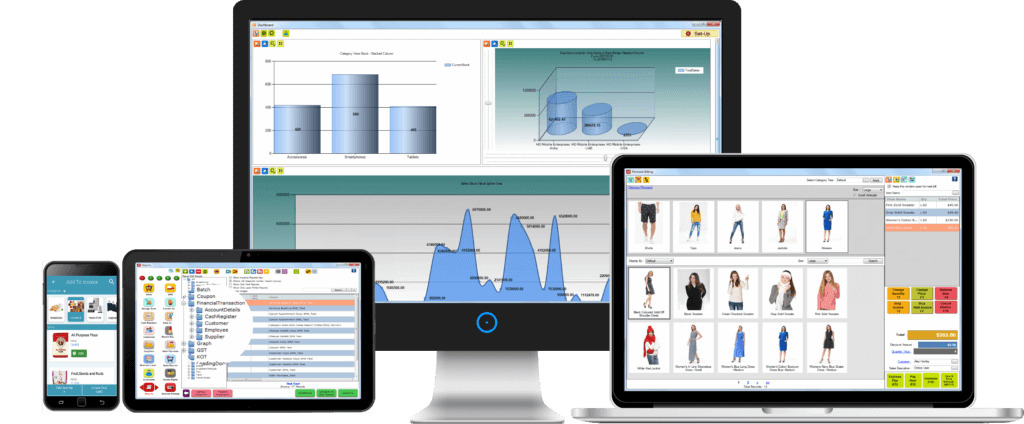
GST return filing software is a digital platform that allows businesses to file their GST returns efficiently. These tools automate calculations, track transactions, generate reports, and often provide a dashboard for easy monitoring. By reducing manual effort, this software ensures accuracy while saving time. Businesses can upload invoices, reconcile data, and submit returns directly to the government portal with minimal hassle.
Key Features to Look for in GST Filing Software
When choosing GST filing software, certain features are particularly important:
User-Friendly Interface: Simplifies navigation and reduces errors.
Automated Data Import: Upload invoices in bulk rather than manually entering each transaction.
Compliance Updates: Alerts users to changes in tax rules or deadlines.
Reporting & Analytics: Provides insight into tax liabilities and financial health.
Integration Options: Syncs with accounting and ERP software for seamless operations.
These features make GST filing not only faster but also more reliable, giving businesses peace of mind during tax season.
Benefits of Using GST Filing Software
There are several advantages to using GST filing software:
Accuracy: Automation reduces the risk of miscalculations.
Time-Saving: Eliminates repetitive manual tasks.
Cost-Effective: Reduces reliance on external accountants for routine filings.
Compliance: Ensures timely filing and adherence to government regulations.
Audit Ready: Maintains a digital record of invoices and filings for future audits.
Overall, businesses can focus on growth instead of worrying about tax compliance.
How GST Filing Software Works
Typically, the process begins with data import. Users upload invoices, receipts, and other financial documents. The software then classifies transactions according to GST rules, calculates tax liability, and prepares the return forms. Some advanced platforms allow direct submission to the GST portal. Many also include reconciliation features to compare input tax credit and output tax liability, preventing mismatches before submission.
Choosing the Right GST Return Filing Software
Selecting the right tool depends on your business size, transaction volume, and specific needs. Start by considering:
Ease of Use: Software should be intuitive even for non-accounting staff.
Scalability: Can it handle growth or increased transaction volumes?
Support & Updates: Is customer support available, and does the platform receive regular updates?
Pricing: Evaluate the cost versus the value it provides.
By carefully evaluating these factors, businesses can ensure a smooth GST compliance experience.
Common Challenges and How Software Helps
Many businesses face challenges like manual data entry errors, missed deadlines, and complex reconciliation tasks. GST filing software addresses these problems by automating repetitive processes, sending reminders for deadlines, and validating transactions before submission. The result is fewer errors, timely filings, and reduced stress for finance teams.
Conclusion: Simplifying Tax Compliance
For businesses looking to streamline tax processes, GST return filing software is an indispensable tool. By automating routine tasks, ensuring accuracy, and providing compliance insights, these platforms reduce the burden of GST filing. Investing in reliable GST filing software not only saves time but also enhances operational efficiency, allowing businesses to focus on growth and strategic priorities.
FAQ Section
1. What is the difference between GST return filing software and GST filing software?
While both terms are often used interchangeably, GST return filing software typically emphasizes automated return preparation and submission, while GST filing software may include broader features like accounting integration and reporting.
2. Can small businesses use GST filing software?
Yes, there are affordable solutions designed for small businesses, offering simplified interfaces and step-by-step guidance for compliance.
3. Is GST return filing software secure?
Reputable platforms use encryption, secure login, and regular updates to ensure financial data remains safe.
4. Can the software directly submit returns to the GST portal?
Many advanced tools allow direct submission, while others prepare the return for manual upload, depending on the platform and user preference.
Tags : GST filing software