Silver Craftsmanship and Modern Retail Are Redefining Jewellery Choices in Mexico
By Adam Williamson 17-08-2026 293
Mexico’s jewellery sector combines a long tradition of precious-metal craftsmanship with an increasingly diverse retail environment. Silver and gold jewellery remain culturally significant, while contemporary designs, branded collections, personalized pieces, accessible luxury, and digital purchasing are broadening consumer choice. Mexico’s position as a major silver-producing country also gives the jewellery sector a distinctive connection to domestic raw-material supply and artisanal expertise.
According to a Vyansa Intelligence report, the Mexico jewellery market was valued at USD 2.45 billion in 2025 and is projected to reach USD 3.11 billion by 2032, representing a 3.47% CAGR during 2026–2032.
Silver Gives Mexican Jewellery a Distinctive Identity
Silver occupies an important position within Mexico’s jewellery tradition. Its versatility allows designers to create everything from minimalist earrings and bracelets to intricate handcrafted pieces incorporating gemstones and culturally influenced motifs.
Mexico also has an exceptional connection with the metal at the production level. The Silver Institute reports that Mexico remained the world’s leading silver mine-producing country in 2024.
For a Mexico jewellery market analysis, this combination of resource availability, established craftsmanship, and consumer familiarity gives silver jewellery a particularly relevant position.
Sterling Silver Balances Beauty and Practicality
Pure silver is generally too soft for many everyday jewellery applications. Sterling silver solves this issue by combining silver with another metal to improve durability.
The Silver Institute explains that sterling silver consists of 92.5% silver and 7.5% copper and is commonly used for products such as earrings, bracelets, and necklaces because of its improved durability.
This combination of appearance, workability, and accessibility makes silver suitable for both traditional craftsmanship and contemporary fashion jewellery.
Precious-Metal Standards Support Consumer Confidence
Trust is especially important when consumers purchase jewellery advertised as gold, silver, platinum, or palladium. Mexico addresses this through specific requirements covering precious-metal purity and commercial information.
Under Mexico’s NOM-033/1-SE-2020, jewellery marketed as precious metal must meet prescribed minimum fineness requirements. The standard establishes, among other specifications, a minimum of 10 karats for gold and 925 thousandths for silver.
These detailed jewellery industry insights show why material verification and accurate product descriptions are important parts of the purchasing experience.
Clear Marking Helps Buyers Understand What They Purchase
Mexico’s regulatory framework goes beyond specifying precious-metal content. Covered jewellery products sold domestically must carry information identifying their quality, brand, and country when the physical dimensions of the item allow such marking.
The regulation also requires commercial information to be clear and establishes procedures for assessing compliance with precious-metal specifications.
For a jewellery industry report, these requirements are important because transparent metal identification can help distinguish precious jewellery from imitation products and support consumer confidence.
Craftsmanship Remains Part of Mexico’s Jewellery Appeal
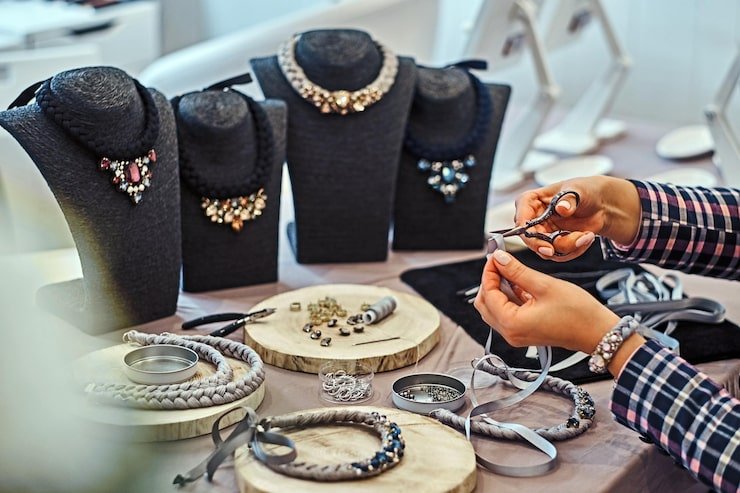
Mexico has a broad artisanal economy in which jewellery and metalworking coexist with ceramics, textiles, woodwork, and other traditional crafts. Handcrafted jewellery can differentiate itself through production techniques, regional influences, material combinations, and the individual character of each piece.
Mexico’s National Fund for the Promotion of Handicrafts (FONART) supports artisans through initiatives covering training, production, craft collection, competitions, and promotion at fairs.
Such institutional support demonstrates the continuing economic and cultural relevance of artisanal production.
Contemporary Designs Are Broadening Everyday Use
Jewellery purchasing is not limited to weddings, anniversaries, and major celebrations. Lightweight necklaces, rings, bracelets, earrings, and personalized pieces can also function as everyday fashion accessories.
This encourages a broader range of price points and design approaches. Consumers can move between precious jewellery, accessible silver pieces, fashion jewellery, and handcrafted products depending on occasion and budget.
The latest jewellery industry analysis therefore needs to consider jewellery as both a valuable possession and an increasingly flexible fashion category.
Mid-Priced Silver Can Bridge Fine and Fashion Jewellery
Silver occupies an interesting position between lower-priced costume jewellery and more expensive precious-metal pieces.
The Silver Institute notes that demand for mid-priced jewellery has helped strengthen silver’s position in jewellery design, with designers using the metal alongside semi-precious stones and other decorative elements.
For Mexican consumers, this creates opportunities to purchase genuine precious-metal jewellery at a more accessible price point than many high-karat gold alternatives.
Domestic Production Can Strengthen Product Storytelling
Mexico’s position within global silver production creates opportunities for jewellery businesses to build stronger connections between material origin, craftsmanship, and finished design.
The Silver Institute reported that Mexico continued to lead global silver mine production in 2024, while its 2025 assessment expected Mexican mine output to increase further during that year.
The connection between domestically sourced materials and local craftsmanship can be particularly valuable for products positioned around authenticity and Mexican design heritage.
Digital Retail Is Changing Jewellery Discovery
Online channels are making jewellery easier to discover and compare. Consumers can browse extensive collections, examine product specifications, compare prices, and discover independent designers without depending entirely on physical stores.
However, jewellery presents particular challenges for online retail because customers cannot physically inspect weight, finish, dimensions, or workmanship before purchasing.
Clear photography, precise dimensions, material descriptions, authenticity information, transparent returns policies, and secure payment systems can therefore become important components of digital jewellery retail.
Personalization Creates Emotional Value
Jewellery frequently carries meaning beyond its material value. Initials, names, birthstones, engraved dates, symbolic motifs, and customized designs allow consumers to connect products with personal experiences.
This makes personalization particularly relevant for gifts and commemorative purchases.
For Mexico jewellery market research, customized products also create differentiation opportunities for independent workshops and designers that may compete through craftsmanship and individuality rather than large-scale production.
Authenticity Will Remain Central to Jewellery Purchasing
Mexico’s jewellery landscape is increasingly defined by the interaction between traditional craftsmanship and contemporary consumer expectations. Silver heritage remains an important foundation, while personalization, everyday jewellery, digital discovery, and accessible precious-metal products are broadening purchasing occasions.
Regulation also reinforces the importance of accurate material representation. Mexico requires precious-metal jewellery to meet defined purity and identification standards, helping create a clearer framework for both domestic producers and importers.
As consumers gain more ways to discover jewellery, businesses that combine authentic materials, transparent information, distinctive design, and dependable craftsmanship can remain relevant across both traditional and modern purchasing environments.