Silicone Dressing for Wounds: Advanced Protection for Faster Healing
By triage meditech 24-02-2026 108
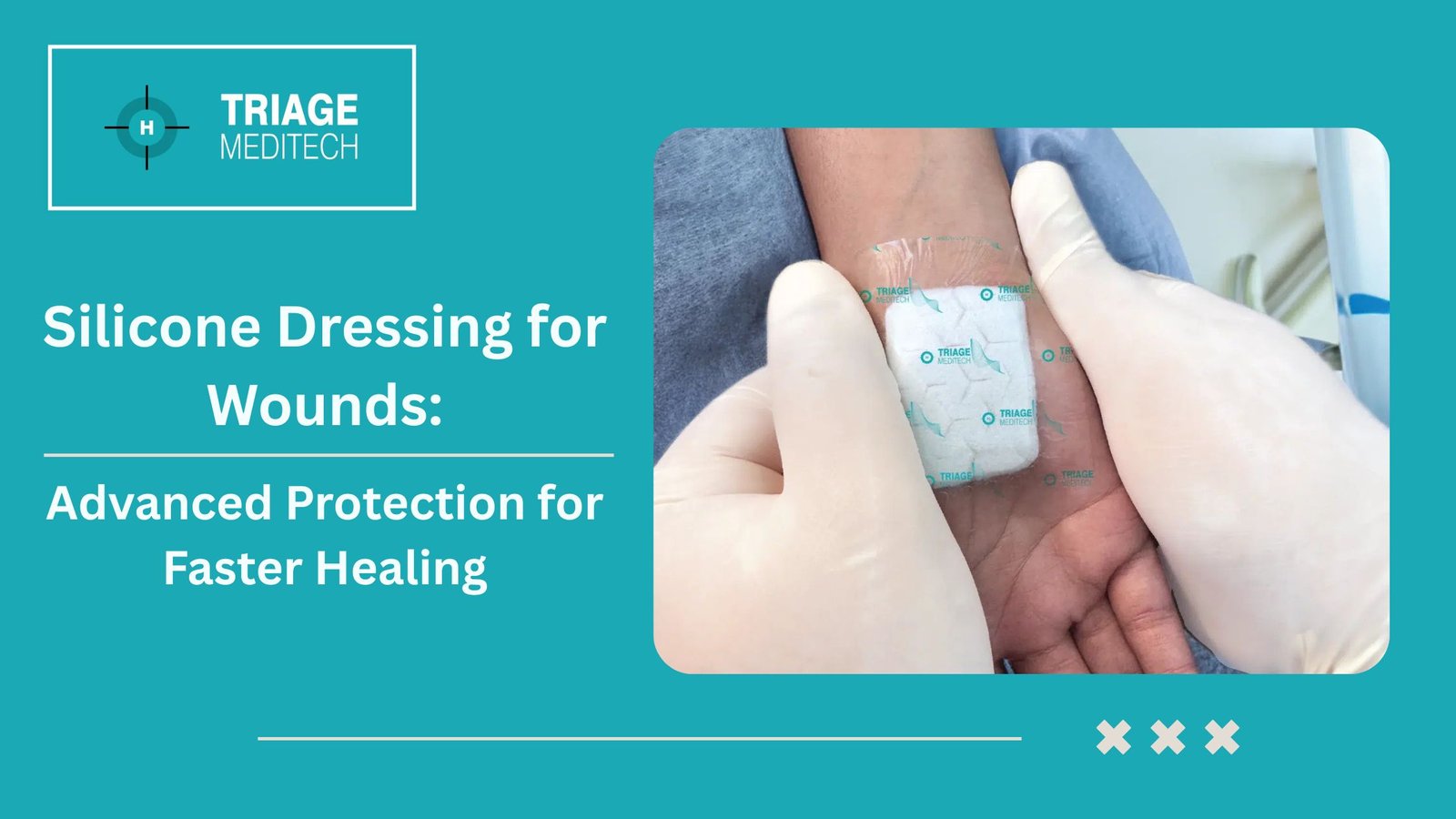
Wound care has evolved significantly with the introduction of modern medical materials designed to promote faster healing while minimizing discomfort. One of the most effective innovations in this field is silicone dressing for wounds. Widely used in hospitals, clinics, and home care settings, silicone dressings provide a gentle yet highly protective environment that supports natural healing processes.
Whether managing surgical incisions, burns, pressure injuries, or chronic wounds, silicone dressings offer a combination of comfort, moisture balance, and atraumatic removal. This blog explores how silicone dressings work, their benefits, types, indications, and best practices for use.
What Is Silicone Dressing for Wounds?
Silicone dressing for wounds refers to wound care products coated or made with soft silicone technology that adheres gently to surrounding skin without sticking to the wound bed. Unlike traditional adhesives, silicone forms a secure seal while reducing trauma during dressing changes.
These dressings typically consist of:
A soft silicone contact layer
An absorbent foam or pad
A breathable backing film
This multilayer design ensures optimal moisture management, protection from contaminants, and painless removal.
How Silicone Dressings Support Wound Healing
Moisture Balance
Maintaining a moist wound environment is essential for effective healing. Silicone dressings help regulate moisture by absorbing excess exudate while preventing wound desiccation. This balance encourages cellular migration and tissue regeneration.
Atraumatic Removal
One of the defining advantages of silicone dressing for wounds is atraumatic removal. The silicone layer adheres to intact skin but not to the moist wound surface, minimizing pain and reducing the risk of tissue damage during dressing changes.
Barrier Protection
Silicone dressings act as a protective barrier against bacteria, friction, and external contaminants. This reduces infection risk and prevents mechanical trauma, particularly in fragile or compromised skin.
Key Benefits of Silicone Dressing for Wounds
1. Reduced Pain and Trauma
Traditional dressings may stick to the wound bed, causing discomfort and tissue disruption when removed. Silicone dressings eliminate this issue, making them ideal for sensitive wounds and pediatric or elderly patients.
2. Skin-Friendly Adhesion
Soft silicone technology is gentle on peri wound skin, helping prevent medical adhesive-related skin injuries (MARSI). This is particularly important for patients with fragile or aging skin.
3. Repositionable Application
Many silicone dressings can be lifted and repositioned without losing adhesion. This improves ease of application and ensures accurate placement.
4. Extended Wear Time
Because they maintain moisture balance and absorb exudate effectively, silicone dressings often require fewer changes, saving time and reducing treatment costs.
5. Improved Scar Management
Silicone is widely recognized for its role in scar modulation. Silicone dressings can help reduce hypertrophic and keloid scar formation when used appropriately.
Types of Silicone Dressing for Wounds
Silicone Foam Dressings
These combine soft silicone contact layers with absorbent foam pads. They are suitable for moderate to highly exuding wounds such as pressure injuries and surgical wounds.
Silicone Contact Layers
Thin silicone sheets placed directly over the wound bed, often used with secondary absorbent dressings. They are ideal for fragile skin, graft sites, and superficial wounds.
Silicone Gel Sheets
Commonly used for scar prevention and management rather than active wound exudate control.
Silicone Border Dressings
These include an adhesive border for secure fixation and are frequently used for postoperative wounds and pressure injury prevention.
Indications for Silicone Dressing Use
Silicone dressing for wounds is suitable for a wide range of acute and chronic wound types, including:
Surgical incisions
Pressure ulcers
Diabetic foot ulcers
Venous leg ulcers
Burns and donor sites
Skin tears and abrasions
Traumatic wounds
Their versatility makes them a staple in modern wound care protocols.
How to Apply Silicone Dressing for Wounds
Proper application ensures maximum effectiveness:
Step 1: Clean the Wound
Use sterile saline or appropriate wound cleanser to remove debris and contaminants.
Step 2: Dry Surrounding Skin
Gently pat dry the peri wound area to ensure proper silicone adhesion.
Step 3: Select Appropriate Size
Choose a dressing that extends beyond the wound margins for adequate coverage.
Step 4: Apply Without Stretching
Place the dressing gently over the wound without tension to avoid skin stress.
Step 5: Monitor and Change as Needed
Change the dressing based on exudate level, clinical protocol, or manufacturer guidelines.
Considerations and Precautions
While silicone dressing for wounds is highly beneficial, some considerations include:
Not all silicone dressings are suitable for heavily infected wounds without antimicrobial support
Secondary fixation may be required in high-mobility areas
Regular wound assessment remains essential to monitor healing progress
Healthcare professionals should select dressing types based on wound characteristics and patient needs.
Silicone Dressing vs Traditional Dressings
| Feature | Silicone Dressing | Traditional Dressing |
|---|---|---|
| Removal Pain | Minimal | Often painful |
| Skin Trauma | Low | Higher risk |
| Moisture Control | Excellent | Variable |
| Repositionability | Yes | Usually no |
| Scar Reduction | Possible | Limited |
This comparison highlights why silicone dressings are increasingly preferred in clinical practice.
Conclusion
Silicone dressing for wounds represents a significant advancement in wound management, offering a combination of comfort, protection, and healing support. With benefits such as atraumatic removal, moisture balance, and skin-friendly adhesion, silicone dressings are well suited for both acute and chronic wound care.
From surgical recovery to chronic ulcer management, these dressings improve patient experience while supporting optimal healing outcomes. As healthcare continues to emphasize patient-centered care and evidence-based practice, silicone dressings are likely to remain a cornerstone of modern wound treatment strategies.