Silicon Carbide Powering the Next Generation of High-Performance Electronics
By Adnan Khan 30-06-2026 88
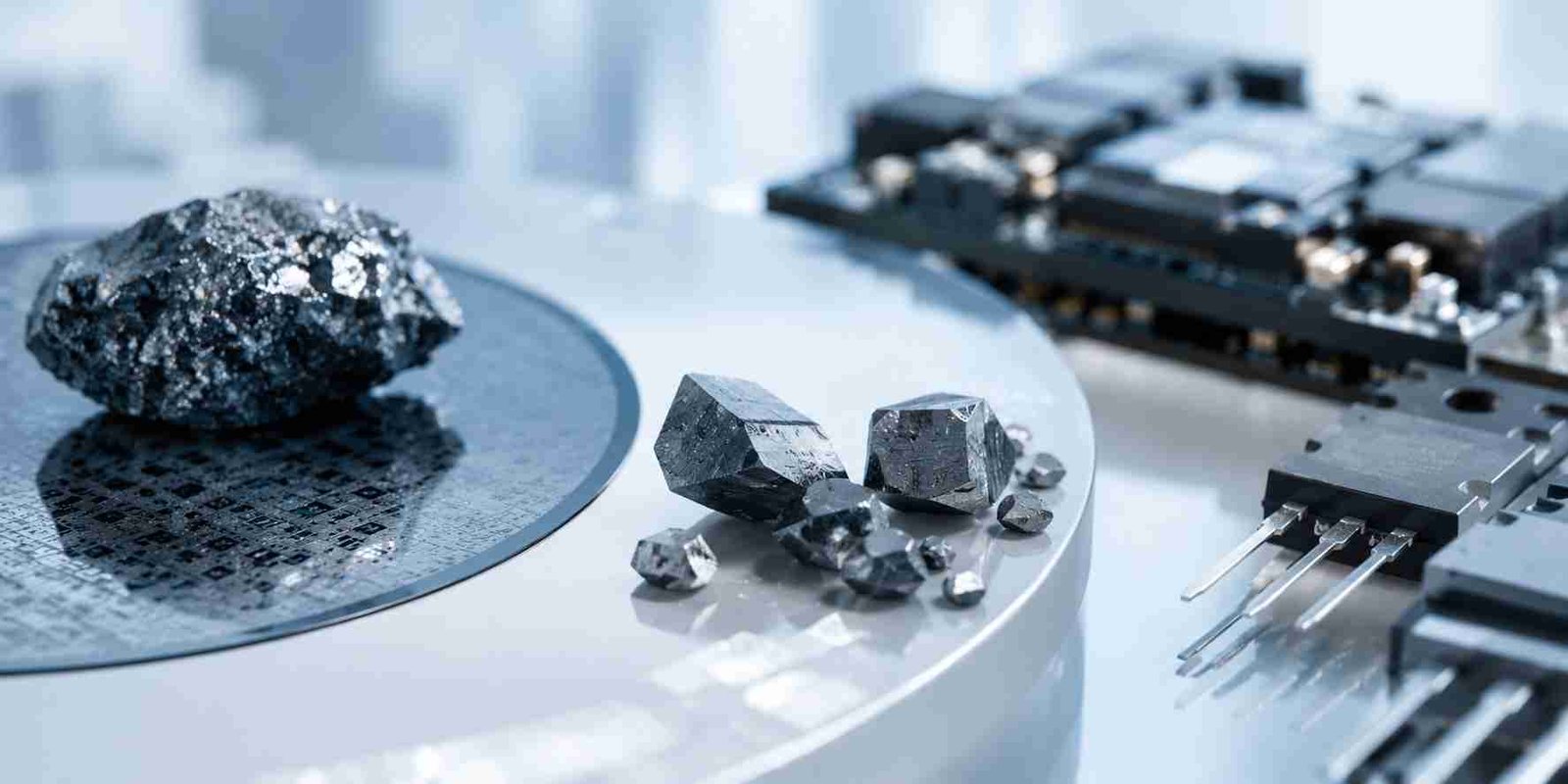
Silicon Carbide has become one of the most important semiconductor materials supporting modern power electronics. Its unique electrical and thermal characteristics make it suitable for applications where conventional silicon devices face performance limitations. As industries demand faster charging, higher efficiency, and better heat management, Silicon Carbide is increasingly being adopted across electric vehicles, renewable energy systems, industrial automation, aerospace, and telecommunications. The material enables compact electronic designs while reducing energy losses, making it an important component in next-generation electronic systems.
Understanding the Importance of Silicon Carbide
Silicon Carbide is a wide-bandgap semiconductor that offers several advantages compared to traditional silicon. It can operate at much higher voltages, temperatures, and switching frequencies while maintaining excellent efficiency. These characteristics allow manufacturers to build smaller, lighter, and more reliable electronic systems.
One of the major reasons behind its increasing adoption is its ability to reduce power losses during electricity conversion. Lower switching losses help improve overall system efficiency, reducing operating costs and minimizing heat generation. This is particularly valuable in electric vehicles, renewable energy installations, industrial equipment, and high-performance computing infrastructure.
As governments and manufacturers continue investing in energy-efficient technologies, Silicon Carbide is expected to play a larger role in supporting advanced electronic systems worldwide.
Increasing Adoption Across Multiple Sectors
The growing need for efficient power conversion technologies has accelerated the adoption of Silicon Carbide across several industries. According to MarkNtel Advisors, The Global Silicon Carbide Market size was valued at around USD 2.88 billion in 2025 and is projected to grow from USD 3.01 billion in 2026 to USD 12.70 billion by 2032. Along with this, the market is estimated to grow at a CAGR of around 27.12% during the forecast period, i.e., 2026-32. Increasing investments in electric mobility, renewable energy infrastructure, and advanced semiconductor manufacturing continue supporting the wider adoption of Silicon Carbide technologies.
Electric vehicle manufacturers increasingly use Silicon Carbide MOSFETs inside traction inverters because they improve battery efficiency and extend driving range. Renewable energy companies utilize Silicon Carbide components inside solar inverters and wind energy converters to maximize electricity conversion efficiency. Industrial automation equipment also benefits from improved switching performance, resulting in lower maintenance requirements and enhanced operational reliability.
The material is also finding applications in fast-charging stations, railway electrification, aerospace electronics, defense equipment, medical devices, and advanced communication infrastructure where reliability and efficiency remain critical design priorities.
Applications Supporting Modern Electronics
Silicon Carbide supports a broad range of high-performance applications that require superior electrical performance under demanding operating conditions. Modern electric vehicles use Silicon Carbide power modules to reduce inverter losses while improving vehicle acceleration and charging speed.
Industrial motor drives benefit from faster switching capabilities, helping reduce energy consumption across manufacturing facilities. Data centers increasingly adopt energy-efficient power supplies built with Silicon Carbide components to reduce electricity consumption while improving thermal performance.
According to The U.S. Department of Energy, improving power electronics efficiency plays an important role in reducing overall energy consumption across transportation, industrial systems, and renewable energy infrastructure.
Regional Developments Supporting Innovation
Several regions continue investing heavily in semiconductor manufacturing capacity to strengthen domestic supply chains. Asia-Pacific remains a major manufacturing hub supported by large-scale investments in semiconductor fabrication, electric vehicle production, and consumer electronics manufacturing.
North America is expanding Silicon Carbide production through investments in advanced semiconductor facilities aimed at strengthening domestic chip manufacturing capabilities. Europe is also increasing investments in electric mobility and renewable energy projects, creating additional opportunities for Silicon Carbide adoption across automotive and industrial sectors.
Research institutions worldwide continue developing improved wafer manufacturing technologies capable of producing larger and higher-quality Silicon Carbide substrates, helping manufacturers improve production efficiency and reduce manufacturing costs.
According to the International Energy Agency, continued electrification and renewable energy deployment are expected to increase demand for highly efficient power electronic technologies supporting global energy transition.
Current Challenges and Future Possibilities
Despite its technical advantages, Silicon Carbide manufacturing remains more complex than conventional silicon production. Producing defect-free wafers requires advanced crystal growth techniques, specialized manufacturing equipment, and significant capital investment. These factors contribute to higher production costs compared to traditional semiconductor materials.
Another challenge involves expanding manufacturing capacity to meet rapidly increasing demand from automotive and renewable energy industries. As production scales improve and fabrication technologies mature, manufacturing efficiency may improve while production costs gradually decline.
Ongoing research continues focusing on improving wafer quality, increasing manufacturing yield, and developing larger substrate sizes capable of supporting higher-volume semiconductor production. These developments could further strengthen Silicon Carbide adoption across numerous commercial applications.
According to the U.S. Geological Survey, advanced material research and efficient mineral processing continue supporting innovation across semiconductor manufacturing and high-performance electronic applications.
Major Companies Shaping Development
Several companies continue investing in Silicon Carbide technologies to strengthen production capabilities and support increasing global demand. Important participants include Wolfspeed, STMicroelectronics, Infineon Technologies AG, onsemi, ROHM Semiconductor, Mitsubishi Electric Corporation, GeneSiC Semiconductor, Fuji Electric Co., Ltd., Coherent Corp., and Toshiba Corporation.
These companies continue expanding manufacturing facilities, developing larger wafer technologies, improving device performance, and strengthening partnerships with automotive, industrial, and renewable energy manufacturers. Continuous investment in research and production capacity may further enhance product availability and technological advancement during the coming years.
Silicon Carbide continues establishing itself as a critical material supporting high-efficiency electronic systems. Its ability to improve power conversion efficiency, reduce heat generation, and enable compact electronic designs positions it as an important technology across multiple industries. Continued investments in semiconductor manufacturing, electric transportation, renewable energy, and industrial automation could indicate broader adoption as manufacturing capabilities expand and technological innovation progresses.