Shingle Repair: How Small Roof Damage Can Become a Bigger Problem
By Absolute Restorations 07-09-2026 6
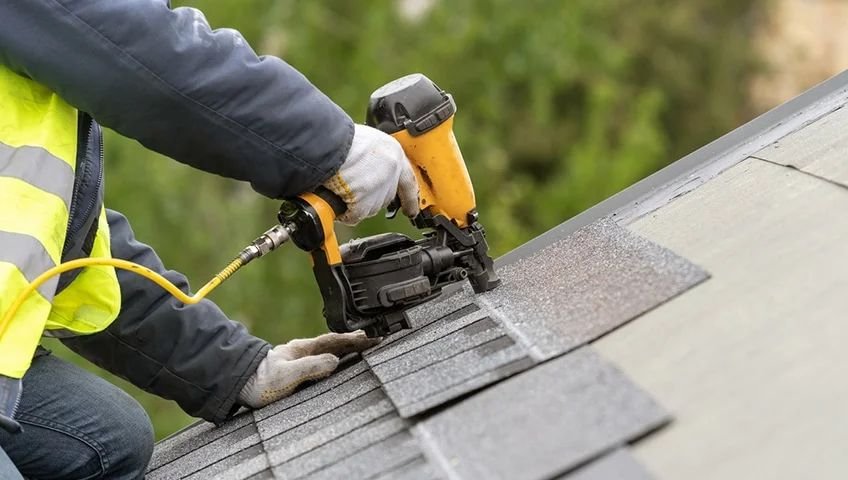
Shingle Repair may seem like a minor roofing service, but a damaged shingle can leave the layers beneath your roof exposed to rain, snow, wind, and ice. For homeowners in Waukesha, Wisconsin, recognizing the early signs of roof trouble can help prevent a manageable problem from becoming an expensive one.
Roof damage does not always look serious at first. You might find a few granules in the gutter, notice a shingle sitting unevenly, or discover a small piece of roofing material in the yard after a storm. Sometimes there is no visible exterior clue at all, yet moisture has already found a way beneath the surface.
The important thing is not to panic at the first sign of damage. A roof with a few affected shingles may still have plenty of useful life left. The right response depends on the extent of the damage, the age of the roof, and the condition of the surrounding materials.
Signs That Your Shingles Need Attention
Some warning signs are easy to spot, while others require a closer look. From the ground, homeowners should watch for anything that appears noticeably different from the rest of the roof.
Common indicators include:
- Missing or displaced shingles
- Cracked, split, or torn surfaces
- Curling or lifted edges
- Shingles that appear buckled or out of alignment
- Excessive granules in gutters or downspouts
- Bare patches where the protective coating has worn away
- Dark or unusual-looking areas
- Water stains on ceilings or upper walls
A single damaged shingle does not automatically mean the entire roof needs to be replaced. What matters is determining whether the problem is isolated and whether the roofing beneath it remains protected.
If something looks unusual after severe weather, it is better to investigate the change than wait until water begins appearing indoors.
What Causes Roofing Shingles to Deteriorate?
Shingles are built for outdoor exposure, but years of changing conditions eventually take their toll.
High winds can lift or loosen materials, especially when older shingles have become less flexible. Hail may create impact damage that is difficult to recognize from the ground. Falling branches can puncture or tear the surface, while prolonged sunlight can gradually weaken aging materials.
Temperature swings also play a role. Roofing components repeatedly expand and contract as conditions change. Over time, that movement can contribute to cracking and other forms of wear.
Poor attic ventilation, installation problems, nearby trees, and general age can add to the stress. Identifying the cause is important because replacing the visible material alone may not prevent the same issue from happening again.
When Shingle Damage Repair Makes Sense
Shingle damage repair can be appropriate when the affected area is limited and the rest of the roof remains in good condition.
Consider a roof that has performed well for several years but loses a few shingles during a windstorm. If the surrounding area is intact and there is no indication of moisture intrusion, localized work may be all that is necessary.
A proper repair involves more than placing a new shingle over the damaged spot. The affected material needs to be removed without unnecessarily disturbing nearby shingles. The replacement must then be positioned and fastened correctly so it works with the existing roofing system.
Matching the material can also be a consideration. Older shingles may have faded over time, and the original product may no longer be readily available. An experienced roofing professional can help determine the most practical way to handle an imperfect match.
When Roof Shingle Replacement Is More Practical
Roof shingle replacement becomes a different conversation when damage is extensive or the surrounding materials are already showing significant deterioration.
For example, replacing several shingles on an aging roof may provide only temporary relief if nearby materials are brittle, cracked, or losing large amounts of granules. In that situation, the condition of the entire roof deserves consideration.
Roof age matters, too. A relatively newer roof with isolated storm damage may be a strong candidate for localized work. An older roof with repeated leaks and widespread wear may be approaching the point where a larger investment makes more sense.
The decision should be based on the actual condition of the roof rather than the appearance of one damaged section.
Why Hidden Roof Damage Deserves Attention
One of the biggest challenges with roofing problems is that water does not always enter where a homeowner eventually sees the stain.
Moisture can travel beneath roofing materials before reaching insulation, decking, ceilings, or walls. That means a small-looking exterior defect can sometimes have a larger story behind it.
Hail damage can be similarly deceptive. A roof may not look dramatically different after a storm, yet repeated impacts can affect the surface and reduce its ability to protect the structure.
This is why an assessment should focus on more than the most obvious defect. Looking at nearby shingles, flashing, valleys, roof penetrations, and other vulnerable areas can help determine whether the damage is truly localized.
Is DIY Shingle Work Worth the Risk?
It is easy to see why homeowners might consider handling a small roofing problem themselves. Replacing one damaged piece can appear straightforward when viewed from the ground.
The reality is different once you are on the roof. Steep or wet surfaces can be hazardous, and improperly removing one shingle can disturb surrounding materials. More importantly, a homeowner may fix what is visible without realizing that moisture has already affected the layers underneath.
DIY work is especially questionable after hail, strong winds, or falling branches, when additional damage may not be obvious.
When the condition of the roof is uncertain, professional assistance can provide both a safer approach and a more complete picture of what needs attention.
Simple Ways to Catch Problems Early
You do not need to climb onto the roof to monitor its condition.
After major weather, inspect the property from a safe location. Look around the yard for fallen roofing materials and check accessible gutters for an unusual buildup of granules. Inside the home, pay attention to new stains, bubbling paint, or unexplained discoloration near ceilings and upper walls.
Trees should also be monitored when branches extend close to the roof. Keeping drainage areas clear can help water move away from the structure properly.
If you notice a change, document what you can safely see and arrange an evaluation. Catching a problem early can give you more choices than waiting until a leak forces an emergency decision.
Choosing a Roofing Contractor
Price is important when comparing roofing companies, but it should not be the only consideration. Homeowners should also look for experience, clear communication, proper licensing, and a willingness to explain what was actually found.
A trustworthy contractor should distinguish between a localized defect and signs of broader deterioration. They should also explain whether repair, monitoring, or replacement is appropriate instead of assuming that every problem requires the most expensive option.
Absolute Restorations has more than 28 years of experience serving residential roofing needs. With licensed service and insurance claim support, the team helps homeowners understand roof damage and the options available for addressing it.
FAQs
1. Can a few damaged shingles be repaired?
Yes. When damage is limited and surrounding materials are in good condition, localized work may be a practical option.
2. How can I tell if wind has damaged my roof?
Look for missing, lifted, displaced, or visibly damaged shingles after strong winds. Some problems may not be obvious from the ground, so a professional assessment can be useful.
3. Is hail damage always easy to see?
No. Hail impacts can sometimes be subtle, particularly when viewed from the ground. A closer examination may reveal damage that is not immediately noticeable.
4. Can a damaged shingle cause a leak?
Yes. Missing, cracked, or lifted materials can expose the layers beneath them to moisture. The risk depends on the location and severity of the damage.
5. When should I consider replacing more than one shingle?
If several areas are damaged or the surrounding materials are showing widespread age-related deterioration, repairing only individual pieces may not be the most effective long-term approach.
6. Is it safe to repair shingles myself?
Roof work carries fall and material-handling risks. It can also be difficult to identify hidden damage without roofing experience, particularly after a severe weather event.
Final Thoughts
A damaged shingle is easy to dismiss when everything else appears normal, but the roof's protective layers depend on each component working together. Addressing visible problems early can help limit exposure to the elements and provide a clearer understanding of whether the roof needs a localized fix or more extensive work. The goal is simple: deal with the actual condition of the roof before a small issue has the opportunity to become a much bigger one.
Protect Your Roof With Professional Shingle Repair
Noticed missing, cracked, curled, or lifted shingles? Contact Absolute Restorations today to schedule a professional roof assessment. With 28+ years of experience, licensed service, and insurance claim support, the team can inspect the affected area, explain what they find, and help you determine the most appropriate solution for your home.