Room cooling in France is moving toward efficient and targeted indoor comfort systems
By Adam Williamson 02-06-2026 183
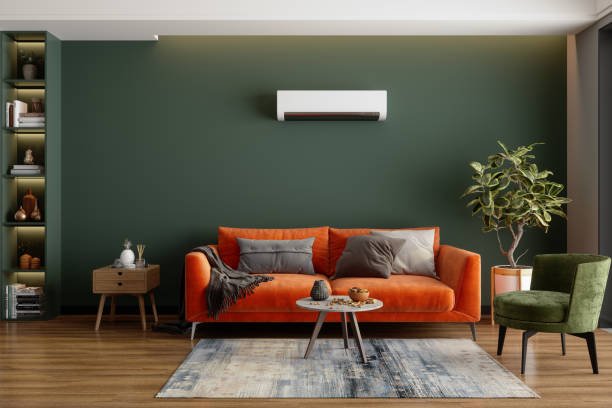
Room air conditioners are becoming more visible in France as warmer summers, housing comfort concerns, and energy-efficiency expectations reshape demand for room-specific cooling. These systems are used in individual homes, apartments, vacation properties, offices, retail locations, hospitality spaces, healthcare facilities, and small commercial establishments where full-building cooling is not always practical or necessary.
France room air conditioners market size was valued at USD 159.22 million in 2025 and is projected to grow from USD 179.46 million in 2026 to USD 200.83 million by 2032, exhibiting a CAGR of 3.37% during the forecast period. France Room Air Conditioners Market growth is supported by warmer climate patterns, rising residential cooling acceptance, and stronger demand for efficient room-level systems.
Warmer summers are changing cooling requirements
Indoor cooling demand in France is no longer limited to exceptional heat periods. Warmer annual conditions and more frequent heat discomfort are making room air conditioners more relevant in residential and small commercial environments. Room-based systems are especially suitable where households need fast cooling in selected spaces such as bedrooms, living rooms, home offices, and upper-floor rooms.
Météo-France data cited in France’s climate indicators shows that 2024 was one of the five hottest years recorded in the country since 1900. This climate pattern is directly linked to France Room Air Conditioners Market trends because longer warm periods increase the practical value of compact, targeted, and flexible cooling appliances.
Split air conditioners lead product preference
Split air conditioners hold 65% share by product type, making them the leading segment. Their dominance reflects buyer preference for fixed room-cooling systems that offer more stable performance, quieter indoor operation, and better suitability for recurring seasonal use. Split systems are particularly relevant in homes and small commercial spaces where users want reliable cooling without relying on temporary units.
This product leadership also supports the France Room Air Conditioners Market forecast. Split air conditioners fit the broader shift toward efficient, permanent, and room-specific comfort solutions. Window units and other formats remain available, but split systems are better aligned with households looking for stronger performance and longer-term cooling readiness.
Inverter systems dominate technology adoption
Inverter technology holds 80% share by technology, indicating that efficiency and operating control are central to purchase decisions. Inverter air conditioners adjust compressor speed according to cooling load, helping maintain stable indoor temperature while reducing unnecessary energy use. This makes inverter systems more suitable for buyers concerned about both comfort and electricity consumption.
France Room Air Conditioners Market size expansion is therefore closely connected to the adoption of energy-efficient technology. Inverter models support smoother operation, improved seasonal performance, and better alignment with Europe’s efficiency-focused appliance environment. As air conditioners become more common in homes, energy performance becomes a stronger differentiator across product portfolios.
Residential cooling is becoming more accepted
Cooling is becoming more visible in everyday housing use across France. The report states that 18% to 26% of dwellings in France already have an air-conditioning system, while 49% of households report excess heat in 2025. This indicates that air conditioning is gradually shifting from an occasional comfort purchase toward a more practical residential equipment category.
Poor building insulation also supports room-level cooling demand. The report notes that 29% of households experiencing excess heat identify poor insulation as a cause of summer discomfort. This creates demand for solutions that can improve comfort quickly in specific rooms, especially in apartments and older housing where structural upgrades may be slower or more expensive.
Housing approvals create new installation opportunities
New housing approvals are creating additional installation scope for room air conditioners. The report states that 379,222 dwellings were approved to be built in 2025, which is 15.0% higher than in 2024. This matters because cooling products are often considered during move-in, renovation, home setup, and early comfort-equipment selection stages.
For France Room Air Conditioners Market growth, housing activity provides an important demand channel. New and recently approved homes create opportunities for first-time installations, particularly for split systems, inverter units, and products designed for apartments and collective housing. Residential construction therefore strengthens the addressable base for room-level cooling solutions.
Refrigerant regulation is shaping product transition
EU refrigerant regulation is an important challenge for suppliers and distributors in France. Regulation (EU) 2024/573 on fluorinated greenhouse gases came into force on 20 February 2024, tightening requirements linked to refrigerant use, servicing, leakage prevention, recovery, training, and product compliance across cooling and air-conditioning equipment.
This regulatory shift affects the France Room Air Conditioners Market forecast because manufacturers must manage product redesign, refrigerant transition, installer readiness, and compliance documentation. It also encourages movement toward lower-impact refrigerants, better system efficiency, and products that align with evolving European environmental standards. Compliance pressure can raise adjustment costs, but it also supports technology modernization.
Smart and compact formats address urban constraints
Smart and compact cooling products are gaining relevance as French households seek easier temperature control, scheduling, and remote operation. Connected air conditioners can support more disciplined energy use by allowing users to cool rooms only when needed. This is particularly relevant for apartments, secondary homes, and small commercial spaces that do not require continuous cooling.
The France Room Air Conditioners Market trends also reflect installation constraints in dense urban housing. Products without outdoor units, compact indoor systems, portable formats, and reversible air-to-air technologies can address restrictions related to building layout, façade rules, and renovation complexity. These formats expand the practical adoption base beyond conventional split installations.
Competitive landscape remains moderately concentrated
More than 20 companies are actively engaged in producing room air conditioners in France, while the top 5 companies acquired around 40% of the market share. Key companies include Clatronic International GmbH, Chal-Tec GmbH, Haier Group, De'Longhi SpA, Daikin Industries Ltd, Whirlpool Corp, Gree Electric Appliances Inc of Zhuhai, Atlantic Groupe, Technicolor SA, and Suntec Wellness GmbH.
Competition is shaped by product availability, cooling capacity, inverter performance, energy efficiency, noise level, refrigerant compliance, connected features, after-sales service, and retail access. Established appliance brands and HVAC specialists are positioned to benefit from demand for both fixed and flexible cooling products as French buyers evaluate performance, comfort, and regulatory fit.
Conclusion
The France Room Air Conditioners Market is developing around warmer summer conditions, household cooling acceptance, split air conditioner leadership, inverter technology adoption, and refrigerant compliance. The market is not only expanding through higher comfort demand but also through more deliberate product selection based on efficiency and installation practicality. Based on Vyansa Intelligence data, room air conditioners in France are moving toward targeted, energy-conscious, and regulation-aligned cooling solutions.