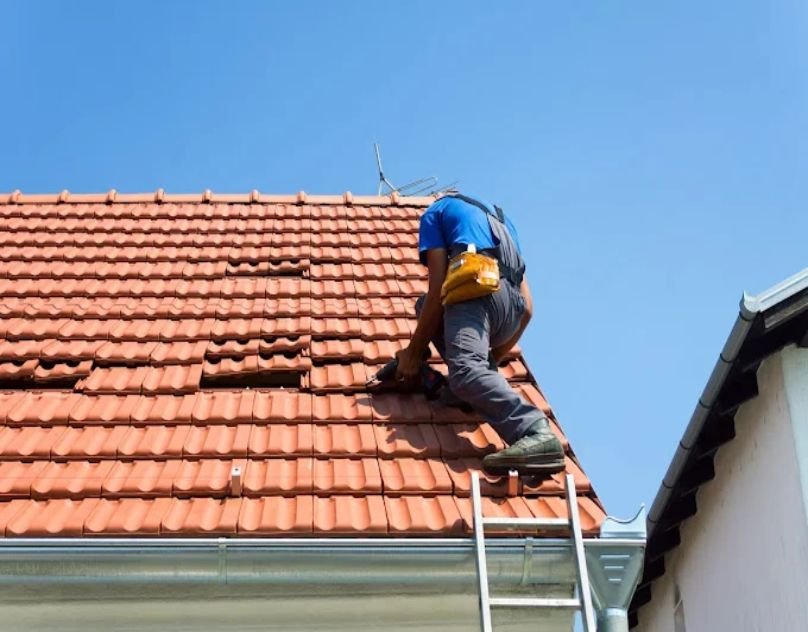
Roof Replacement may become necessary when an aging roof starts failing. The difficult part is recognizing when a few visible defects have developed into a larger roofing problem. A roof can still look acceptable from the driveway while shingles, flashing, decking, or other components are gradually losing their ability to protect the home.
For homeowners in Milwaukee, WI, changing weather can make existing weaknesses more noticeable. Snow, strong winds, hail, moisture, and repeated freeze-thaw cycles can put additional stress on an already worn roofing system. Knowing what to look for can help homeowners address problems before they become more disruptive and expensive.
1. Shingles Are Curling, Cracking, or Losing Granules
Shingles naturally become less resilient as they age, but widespread deterioration deserves attention.
Look for:
- Curling or lifted shingle edges
- Cracked or brittle shingles
- Missing shingles
- Bald patches where granules have worn away
- Buckled or distorted areas
- Shingles that appear noticeably different from the rest of the roof
A few damaged shingles may be repairable. When deterioration appears across several slopes, however, it can indicate that the roofing material is approaching the end of its useful service life.
2. The Same Leak Keeps Coming Back
A recurring ceiling stain is easy to dismiss after a repair appears to solve it. Unfortunately, the visible stain inside the house may not be directly beneath the actual point where water enters.
Water can travel along roofing materials, decking, insulation, or framing before becoming visible indoors. If a leak repeatedly returns after repairs, the underlying cause may involve damaged flashing, worn materials, penetrations, valleys, or moisture beneath the surface.
Repeated leaks should be investigated rather than continually patched.
3. Wind or Hail Has Damaged Multiple Areas
Storm damage does not always mean an entire roof needs to be replaced. The extent and location of the damage matter.
After severe weather, homeowners should watch for lifted, creased, missing, or displaced shingles, as well as damaged flashing and visible impact marks. Hail can also create subtle damage that is difficult to identify from ground level.
When damage affects multiple roof sections or combines with existing deterioration, a broader solution may make more sense than repairing isolated areas.
4. The Roofline Looks Uneven or Sagging
A roof should generally maintain a consistent shape. Noticeable dips, waves, or sagging sections can be a warning sign that moisture has affected the decking or that other structural concerns may be present.
This is one issue homeowners should not treat as a cosmetic problem.
A sagging roofline warrants prompt professional attention because determining the cause is more important than simply covering the visible area with new materials.
5. Moisture Has Damaged the Roof Deck
The roof deck provides the structural surface beneath the outer roofing materials. When water repeatedly reaches this layer, the decking can deteriorate.
Possible warning signs include:
- Soft or weakened wood
- Dark moisture staining
- Rot
- Mold-related concerns
- Areas where the roof feels unusually weak
- Evidence of long-term water intrusion in the attic
Some decking problems are only fully visible once roofing materials are removed. That is why a surface-level inspection cannot always tell the entire story.
6. You Can See Unexpected Daylight From the Attic
A small amount of daylight through intentionally designed ventilation areas can be normal. Light coming through an unexpected opening, however, may indicate a gap, damaged material, or another opening in the roofing assembly.
Homeowners checking an attic should also look for moisture stains, damp insulation, musty odors, or visible signs of water intrusion.
These clues are especially valuable because attic conditions can reveal problems before they become obvious inside living areas.
7. Repairs Are Becoming a Regular Expense
One repair is not necessarily a problem. A pattern of repairs is different.
If a homeowner has recently paid for several fixes involving leaks, shingles, flashing, or storm-related damage, it is worth looking at the roof as a complete system.
Continuing to repair one section while another area deteriorates can become frustrating and costly. A broader evaluation can help determine whether continued maintenance is sensible or whether investing in a new roofing system would provide better long-term value.
8. Wear Is Visible Across Multiple Roof Sections
A roof may have one obvious problem while the rest of the system remains healthy. Replacement becomes a more serious consideration when deterioration is widespread.
For example, several slopes may show granule loss, aging shingles, exposed underlayment, deteriorated flashing, and repeated repairs at the same time.
At that point, the question is no longer simply, “Can this one area be fixed?” The better question is whether the roofing system as a whole can continue providing dependable protection.
9. The Roof Is Older and Showing Several Warning Signs
Age by itself does not automatically mean a roof needs to be replaced. Installation quality, materials, ventilation, maintenance, weather exposure, and previous repairs all influence how a roof performs over time.
However, an older roof combined with recurring leaks, widespread shingle deterioration, storm damage, or decking concerns deserves closer attention.
Rather than making a decision based on age alone, homeowners should consider the roof's current condition and the likelihood of continued repair needs.
Repair or a New Roofing System: Which Makes More Sense?
This is often the biggest question homeowners face.
A repair may be appropriate when the damage is isolated and the surrounding roofing materials remain in good condition. Replacing a small number of damaged shingles or correcting a localized flashing problem can sometimes extend the life of an otherwise sound roof.
A complete roofing project may be more practical when deterioration is widespread, leaks continue despite previous repairs, or the underlying system has reached the point where additional patching offers diminishing value.
The goal should not be to recommend the most expensive option. It should be to match the solution to the roof's actual condition.
What Happens During a Professional Roof Evaluation?
A useful roof evaluation goes beyond simply looking at shingles.
A qualified roofing professional may examine:
- Shingle condition and installation
- Flashing around vulnerable areas
- Roof valleys
- Chimney and vent penetrations
- Signs of water intrusion
- Attic conditions and ventilation
- Drainage and roof edges
- Areas affected by previous repairs
- Visible decking concerns
The findings should then be explained clearly. Homeowners should understand what is damaged, what can reasonably be repaired, and what risks may exist if the work is postponed.
That information makes the decision much easier.
How to Choose the Right Roofing Professional
When comparing contractors, avoid choosing based solely on the lowest estimate. Two quotes can look similar while covering very different scopes of work.
Ask whether the estimate clearly explains:
- Materials being installed
- Removal and disposal
- Flashing work
- Ventilation considerations
- Potential decking replacement
- Cleanup responsibilities
- Warranty information
- Insurance-related assistance, when applicable
- Payment terms and project exclusions
A trustworthy contractor should be willing to explain the recommendations rather than pressure a homeowner into making a quick decision.
Frequently Asked Questions
Can a few damaged shingles require an entire new roof?
Not necessarily. If damage is isolated and the surrounding materials are in good condition, a targeted repair may be enough. The overall condition of the roofing system should be considered first.
How do I know whether a roof leak requires major work?
Recurring leaks, multiple affected areas, damaged flashing, moisture in the attic, or deteriorated decking can indicate a larger problem. A professional evaluation can help identify the actual source.
Should I inspect my roof after a major storm?
Yes. Strong wind and hail can create damage that is not immediately visible from the ground. A qualified inspection can help identify displaced shingles, impact damage, and other concerns.
Is roof age enough to determine whether replacement is necessary?
No. Age is one factor, but condition is more important. A well-maintained older roof may perform better than a poorly installed or heavily damaged newer one.
Can damaged roof decking be repaired?
In many cases, damaged sections can be replaced. The appropriate approach depends on the extent of deterioration and what is discovered beneath the roofing materials.
Why does the same roof leak keep returning?
Recurring leaks can result from an incorrect repair, damaged flashing, water traveling from another entry point, or deterioration elsewhere in the roofing assembly. Finding the source is essential before deciding on another patch.
How long does a roofing project take?
Project duration varies according to roof size, complexity, material selection, weather, existing damage, and whether additional repairs are required after the old materials are removed.
Final Thoughts
Roof problems rarely become serious overnight. More often, small warning signs accumulate until the roof can no longer be relied upon the way it once was.
Curling shingles, recurring leaks, storm damage, sagging, moisture problems, widespread wear, and repeated repair bills are all reasons to take a closer look. The right decision depends on the condition of the entire roofing system—not on one isolated defect.
Getting an informed assessment early can give homeowners a clearer understanding of what needs attention and whether repair or a more comprehensive solution makes the most sense.
Protect Your Home With the Right Roofing Solution
If your roof is showing signs of wear, storm damage, recurring leaks, or age-related deterioration, Absolute Restorations can help you understand your options. With more than 28 years of experience, licensed service, and insurance claim support, the team focuses on evaluating the roof, explaining the findings clearly, and recommending a practical path forward.
Contact Absolute Restorations today to schedule a professional roof evaluation and take the next step toward dependable protection for your home.
Tags : Roof Replacement